

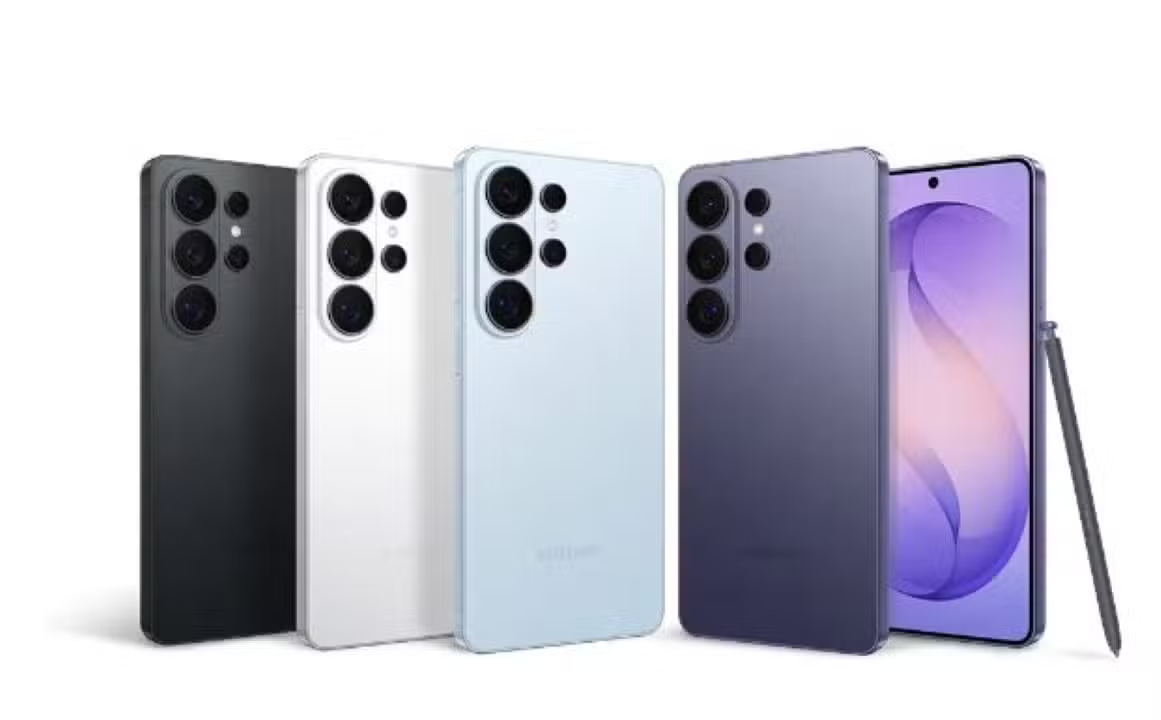
Consumidores report severe physical discomfort when using the newly released Galaxy S26 Ultra. International retailers record an unusual volume of returns for Samsung’s premium smartphone just weeks after its arrival in stores. The main justification for refund requests involves the technology applied to the device’s OLED panel. The problem directly affects the basic experience of using the equipment.
Continuous use of the device triggers symptoms such as headaches, nausea and rapid visual fatigue. The clinical picture worsens significantly in closed environments with artificial lighting. Reading long texts or browsing social networks becomes unfeasible for a considerable portion of buyers. Fóruns of technology accumulate hundreds of complaints about the impossibility of keeping the cell phone in the daily routine. The South Korean manufacturer faces direct pressure from a public accustomed to high quality standards.
Frequência screen refresh impacts human vision
The device’s pulse width modulation operates in the range of 480 Hz. The technical indicator defines the speed at which the screen oscillates to control the level of brightness emitted by the pixels. Especialistas in hardware consider the number too low for the current segment of high-cost devices. Flickering occurs invisible to the naked eye during everyday use. The impact, however, is real. The brain processes this constant light variation and reacts to the stimulus with signs of exhaustion.
Marcas competitors in the Asian market adopt superior technical standards in their flagship models. Empresas like Xiaomi, Realme and OnePlus use displays with frequencies that exceed the 1920 Hz mark. The difference in calibration reduces visual impact during prolonged internet browsing sessions. The factory configuration of the Galaxy S26 Ultra prioritized other image aspects to the detriment of light stability. The engineering decision directly affects consumers predisposed to migraines or extreme sensitivity to light.
Oftalmologistas warn of the risks of daily exposure to screens with a low modulation rate. The continuous effort of the eye muscle to focus on the oscillating image generates accumulated tension. Blurred vision appears as the first warning sign after a few minutes of paying attention to the screen. The individual feels immediate burning and heaviness in the eyelids. The discomfort is constant. Stopping smartphone use usually reverses symptoms within hours in most documented clinical records.
Privacy Filtro changes color reproduction
The implementation of an unprecedented visual protection tool added a new ergonomic obstacle to the device. The system works to block side viewing of content in public places and means of transport. The physical mechanism modifies the light emission according to the angle at which the user holds the cell phone. Compradores point out that the feature reduces the overall sharpness of elements displayed in the main panel. Color saturation shows visible changes even when the eye focuses exactly on the center of the display.
Turning off the privacy function in system settings does not resolve image distortion. Laboratory Testes indicate that the screen maintains a permanent residual darkening on the side edges. Viewing videos to others in the same room becomes frustrating due to loss of contrast. The combination of this physical filter with low brightness modulation creates an aggressive scenario for the eyes. The attempt to increase information security has harmed the basic usability of the phone.
Sintomas reported and adaptation attempts
The emergence of physical discomfort follows a specific time pattern among clients affected by the problem. Continuous use for a period of between 30 and 60 minutes acts as the central trigger for pain attacks. A person’s sensitivity changes depending on the intensity of light in the environment in which the cell phone operates.
The user community has documented the most frequent reactions and adaptation strategies adopted in recent weeks:
- Dores in the frontal region of the head during night reading.
- Necessidade from blinking several times to focus on long texts.
- Tontura when scrolling apps at high speed.
- Uso of brightness above 70% to hide light fluctuation.
- Instalação from external applications to force panel dimming.
Improvised solutions impose serious practical limitations on the routine of any consumer. Keeping the brightness at maximum level drains the smartphone’s battery within a few hours of use. The practice also increases the internal temperature of the device considerably. Third-party Softwares affects high-definition video playback and distorts the contrast of photographs. Nenhuma native configuration of Android corrects the physical characteristic of the installed hardware. Dissatisfaction leads the buyer to invoke consumer protection laws to return the product.
Desafios logistics and consumer migration
The high rate of returns raises concerns in retailers specializing in mobile technology. Clientes return to establishments with the device in the original box a few days after purchase. The justification goes beyond traditional manufacturing defects or simple aesthetic regret. Physiological incompatibility with the screen poses an unprecedented logistical challenge for large retail chains. The returned product undergoes rigorous technical screening before returning to the shelves as refurbished equipment, which generates unforeseen operational costs.
The buyer’s level of demand increases proportionally to the amount paid for the electronic equipment. The premium telephone sector does not tolerate failures that harm the ergonomics of a device for daily use. Gerações’s earlier Samsungs themselves offered modulation rates more suitable for human vision. Advances in reflection reduction technologies have compromised the stability of current panel light emission. The technology market awaits an official position on possible adjustments to the calibration of the next batches manufactured.
Immediate exchange for competing brands arises as a direct result of returns in physical stores. Compradores seeks alternatives in the Android ecosystem that deliver continuous dimming natively. Loyalty to the manufacturer drops dramatically when physical health enters the purchasing equation. The episode demonstrates the need for more severe ergonomic testing in the global mobile device industry before official launch. The quality of a modern panel must guarantee the well-being of the end user in addition to offering maximum resolution and vibrant colors.