

The electronic games industry has specific franchises that mark entire generations of players and define the direction of the digital entertainment market. The space combat genre, widely popularized in the 1990s through hardware innovations, established three-dimensional gameplay standards that influence software development to this day. The preservation of classic intellectual properties requires constant adaptations to new technological demands and the expectations of an increasingly connected public.
Nintendo confirmed the launch of a new title in the Star Fox series for the Switch 2 console, scheduled to hit the global market on June 25, 2026. The project represents the official return of the brand after a hiatus of exactly ten years without new releases on the company’s platforms. The Japanese company has developed a complete reimagining of the classic Star Fox 64, originally published in 1997, now integrating native support for 4K resolution and updated control mechanics for the new hardware.

Inovações visuals and game mechanics on new hardware
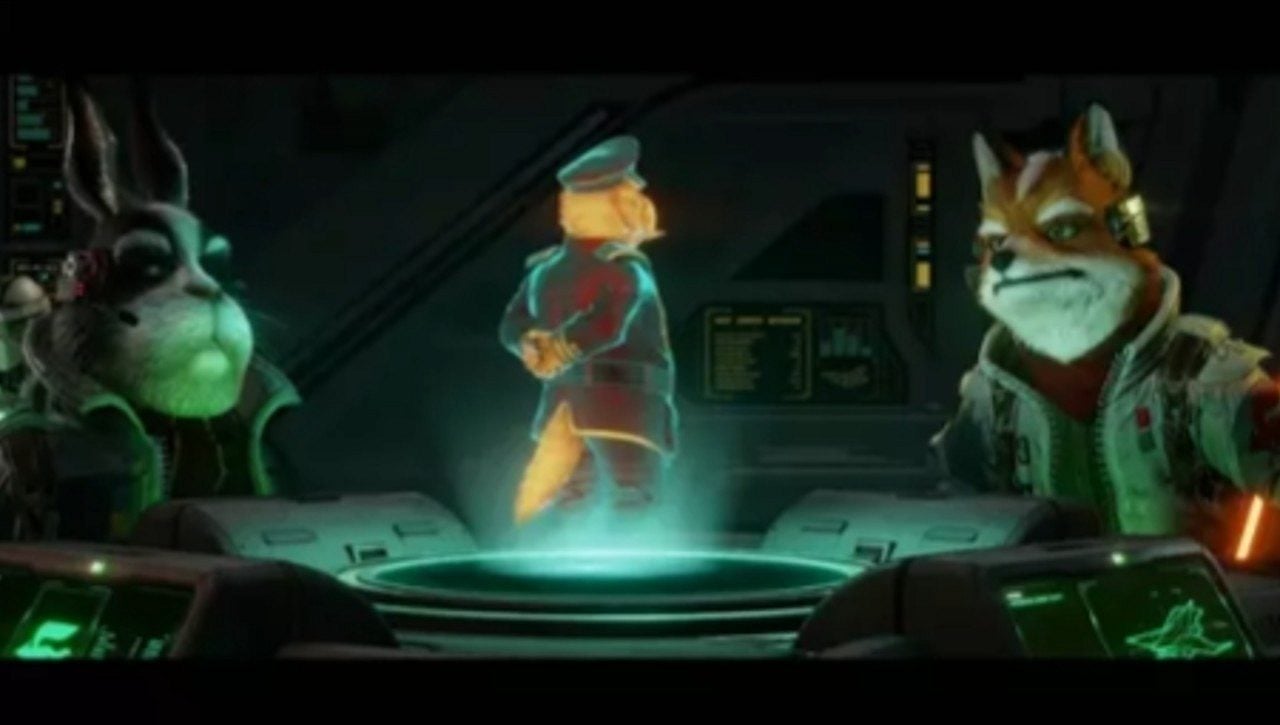
The development of the new title uses the expanded processing capacity of Switch 2 to completely redesign the visual presentation of the work. The character models and the architecture of the spatial environments underwent a complete redesign process in the company’s studios. The programming team implemented high-definition textures, dynamic lighting systems, and advanced particle effects. Fox McCloud and the other members of the mercenary squad received new facial and body animations, increasing the level of detail during radio communication sequences.
The gameplay structure has received significant additions compared to previous titles in the space franchise. The main technical novelty consists of the inclusion of a fully integrated cooperative mode for the main campaign. The change alters the classic dynamic. Dois players can split story missions, operating ships simultaneously to overcome obstacles and defeat stage bosses. The network system allows partners to come and go as missions progress without interrupting the overall progress of the match host.
The competitive component also gained priority space in the developer’s planning for this generation. The company structured an online multiplayer mode focused on four-versus-four player battles in real time. Participants use different types of vehicles, weapons and evasion tactics in closed arenas designed specifically for direct confrontation. The new console’s network infrastructure supports low latency gameplay, a key technical requirement to ensure accuracy in high-speed shooters.
Histórico of the franchise and evolution on the company’s consoles
The series’ trajectory began in the era of 16-bit consoles and followed the main technological transitions in the video game industry. The first game introduced polygonal graphics in an era dominated by two-dimensional sprites, using a special microchip embedded in the cartridge. The initial commercial success guaranteed the continuity of the project on the manufacturer’s subsequent platforms, establishing the brand as one of the pillars of action in the company’s catalogue.
- Star Fox (1993) started the franchise on the Super Nintendo with the use of the Super FX chip for 3D rendering.
- Star Fox 64 (1997) reached Nintendo 64 with support for Rumble Pak and alternative phase routes.
- Star Fox 64 3D (2011) adapted the classic for the Nintendo 3DS laptop with a three-dimensional effect without glasses.
- Star Fox Zero (2016) marked the series’ transition to Wii U with a focus on the use of two simultaneous screens.
- Star Fox (2026) represents the debut of Switch 2 with support for modern resolutions and online connectivity.
The 1997 release remains the franchise’s high point in terms of critical reception and global sales volume. The innovative branching path structure, which changed the final destination depending on the player’s performance, and full character voice acting set the standard for the aerial combat genre on desktop consoles. The corporate decision to specifically reimagine this version demonstrates the company’s clear intention to rescue the elements most praised by veteran consumers.
Previous Desafios and change of strategy in development
The most recent attempt to revitalize the brand occurred in 2016 with the launch of Star Fox Zero. The project faced serious difficulties in market acceptance due to the design choices implemented by the studio’s management. The failure was immediate. The development team required players to constantly divide their attention between the main television screen and the display built into the Wii U’s GamePad controller. The excessive complexity of the motion controls generated severe criticism from the specialized press and frustration among traditional consumers.
Commercial performance far below expectations resulted in an immediate freeze on intellectual property for an entire decade. The absolute absence of series releases for the first version of Nintendo Switch highlighted the management’s caution regarding the commercial future of the franchise. The manufacturer strategically chose to focus its financial and human resources on properties with greater guaranteed profitability, such as the Mario and The Legend of Zelda series, throughout the entire life cycle of the original hybrid device.
The current development strategy completely abandons the experimental controls of the past in favor of traditional, precise schemes. The integration of 4K graphics and robust online modes brings the product in line with current standards in the big-budget gaming industry. With this change in stance, the company seeks to attract both veterans who consumed the 1997 version and a new generation of users who will acquire Switch 2 in the coming months.
Technological Salto and the transition to 4K resolution
The adoption of 4K resolution represents a historic milestone for the Japanese company’s internal studios, which traditionally prioritized innovation in the ways of playing games over raw processing power. The transition to the ultra high definition format requires new workflows in creating digital assets and greater investment in art teams. The new hardware allows developers to deliver image quality comparable to competing systems on the market today.
The visual clarity provided by the new resolution directly affects gameplay in aerial combat titles. The ability to identify enemy projectiles, obstacles in the scene and distant targets with greater clarity reduces visual fatigue and improves players’ reaction time. The frame rate per second, kept stable by the new processor, guarantees the fluidity necessary for the evasive maneuvers characteristic of the space series.
Support for modern large televisions eliminates the technological gap that affected previous generation launches. Consumers who have invested in extremely high-fidelity screens will be able to extract maximum performance from their new equipment without the need for aggressive image resizing techniques. The technical update places the franchise in a favorable competitive position in the competitive multiplayer action game segment.
Impacto in the new system launch catalog
The inclusion of a major classic franchise in the Switch 2’s initial calendar considerably strengthens the new device’s software offering. The video game hardware market directly depends on the availability of high-quality exclusive games to justify consumers’ financial investment in generation switching. The release date set for June 25 positions the space combat title as one of the main commercial attractions for the mid-year sales boom.
Analistas from the technology and entertainment industry monitors software sales behavior to project the long-term success of new platforms. The diversification of genres in the initial catalog caters to different audience profiles and age groups. A game focused on space shooting and online multiplayer perfectly complements the open-world adventure and platform options traditionally offered by the Japanese manufacturer in its first months on the market.
The planned rescue of dormant intellectual properties represents a common and effective business tactic in the contemporary digital entertainment industry. Cutting-edge technical modernization combined with the nostalgia factor has a proven track record of high financial engagement. The sales results of this specific launch will determine the viability of future investments in the space series and will serve as a thermometer for other classic brands of the company that await real opportunities to return to modern consoles.