

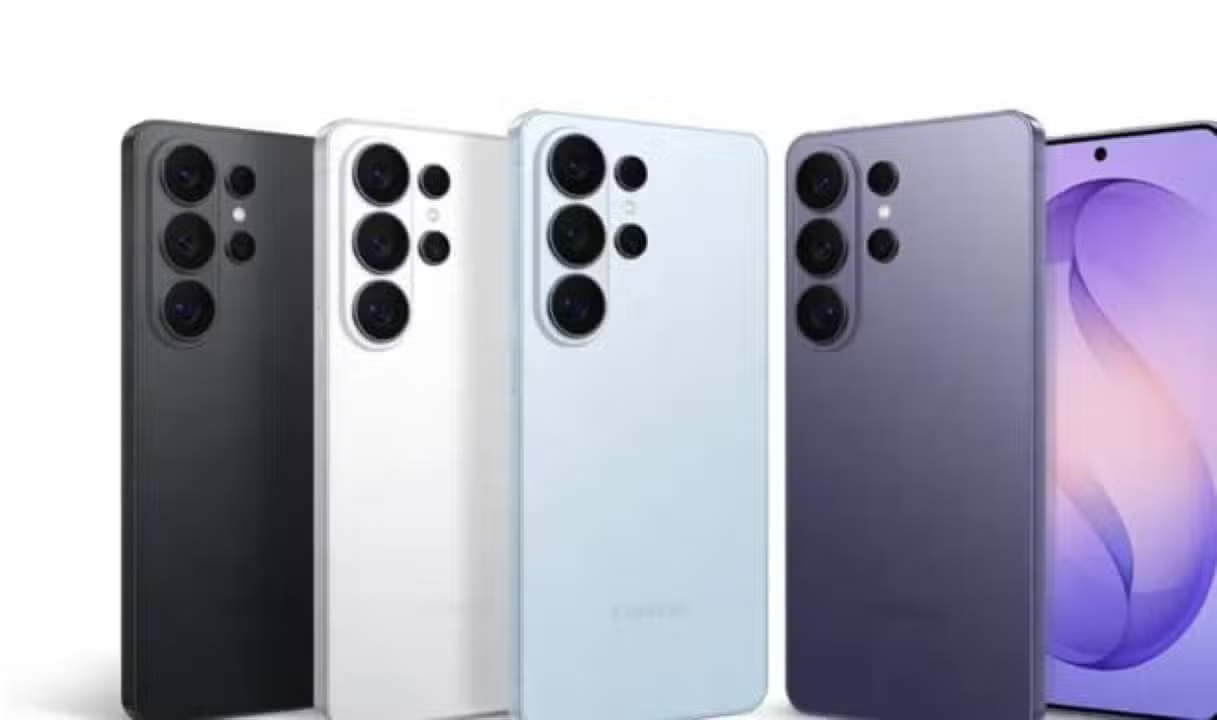
Samsung regained the top position in the global smartphone market during the first quarter of 2026. The South Korean manufacturer ended the leadership streak of Apple, which had remained at the top of the sector since the previous year. The Asian company’s shipment volume reached 65.4 million units distributed between the months of January and March. The commercial result represents growth of 8% compared to the same period last year. The company now holds a 22% total share in the mobile device industry.
The positive performance is directly related to the launch of the Galaxy S26 line. The Ultra model attracted consumers interested in advanced artificial intelligence features and high processing capacity. The strategy of focusing on devices with high added value offset the high production costs of the period. Market marketers Analistas note that demand for premium handsets remains resilient. The scenario occurs despite a restrictive global economic environment. The acceptance of the new portfolio reconfigured the direct dispute with the main North American competitor.

Desempenho of Galaxy S26 Ultra drives brand results
The most expensive device of the new generation surpassed the company’s initial sales estimates. The Galaxy S26 Ultra consolidated its position as the premium device most sought after by users in the first months of the year. The manufacturer invested in the integration of exclusive software tools to justify the final price of the product in stores. Buyers prioritized the ability to perform complex tasks over more affordable options. The tactic strengthened the profit margin of the company’s mobile device division.
The global distribution of the device required robust logistical planning on the part of the multinational. Samsung ensured the supply of shelves in strategic markets for América, Norte and Europa within the first few weeks after the official announcement. Continuous supply prevented stockouts. The immediate availability of the product in physical stores and e-commerce facilitated quick sales conversion. Operational planning avoided bottlenecks in the supply chain and met initial public demand.
The hardware of the new high-end smartphone features specifications aimed at high performance and durability. The technical configuration of the device includes state-of-the-art components supplied by partners in the semiconductor industry. The main features of the model include:
- Tela Dynamic 6.9-inch AMOLED 2X with QHD+ resolution and 120 Hz refresh rate.
- Brilho maximum 2,600 nits for clear viewing in direct sunlight.
- Processador Qualcomm Snapdragon 8 Elite Gen 5 for Galaxy optimized for the system.
- 200 MP main Câmera with optical image stabilization and f/1.9 aperture.
- 5,000mAh Bateria with 60W fast charging support.
- Certificação IP68 which guarantees resistance against water and dust.
- Sistema operational Android 16 modified by One UI 8.5 custom interface.
The combination of these hardware elements with updated software has created an attractive ecosystem for corporate audiences and technology enthusiasts. The South Korean manufacturer used advertising campaigns focused on productivity to highlight the advantages of the equipment in daily use. The reception from specialized critics also influenced consumers’ purchasing decisions. The device became the division’s main source of revenue in the quarter.
Queda in Apple sales changes technology sector dynamics
Apple recorded the sale of 60.4 million iPhones in the same time period. The North American company currently holds 20% of the global market share. The volume of shipments shows a 10% retraction compared to the first quarter of 2025. The decline in sales resulted in the loss of leadership in the segment. The iPhone 17 line and the 17e variant, sold specifically in the Europa and Japão, presented a commercial performance below the company’s projections.
The Chinese market represented the main obstacle for the iPhone maker in the first months of the year. Sales of the iPhone 17 Pro and Pro Max models suffered a 42% drop in the Asian country. The preference of local consumers for national brands explains part of the decline. Competition from Chinese companies in the premium segment limited the expansion of the North American brand in the region. The company’s management is evaluating new commercial approaches to recover lost space on the Asian continent in the coming quarters.
Retração of Chinese brands and isolated growth of HONOR
Xiaomi faced operational difficulties and recorded a 19% drop in global shipment volume. The Chinese manufacturer suffered the direct impacts of the increase in the costs of essential electronic components. The company concentrates a large part of its operations in the segment of devices priced at less than 200 dollars. The narrow profit margin of this category made the operation vulnerable to economic fluctuations. Inflation in emerging markets has reduced the purchasing power of the brand’s target audience.
Outras companies from the same country also presented negative results in the consolidated quarterly balance sheet. OPPO recorded a 6% reduction in sales. vivo recorded a 7% drop in the same period. OPPO has begun a logistics consolidation process with subsidiaries OnePlus and Realme into China to optimize internal resources. The measure aims to reduce operating costs in a highly competitive environment. Manufacturers are looking for alternatives to maintain profitability without fully passing on the increase in production costs to the end consumer.
HONOR moved in the opposite direction and showed the highest growth among the top ten brands in the world. The company increased its shipments by 19%. Volume reached 19.2 million units sold. The commercial advance occurred mainly in Oriente Médio and África. The manufacturer explored regions with fewer direct competitors to expand its international operations. The geographic diversification strategy ensured that the company’s growth rate was maintained in the global telecommunications scenario.
Perspectivas economics and challenges for the second half
The global smartphone market as a whole grew just 1% in the first quarter of 2026. The rate is modest. Ele reflects the stabilization of demand following periods of high volatility in previous years. Especialistas in the sector indicate that manufacturers brought forward production to avoid paying higher prices for components in the future. The strategy of accumulating stocks generated a volume of shipments greater than the actual consumer demand in stores. The preventive movement can generate imbalances in the distribution chain.
The second half of 2026 presents risks for the profitability of technology companies. The cost of fundamental parts, such as DRAM memories and storage modules, continues to rise. Persistent inflationary pressure affects family budgets. Isso extends the cycle of exchanging old devices for new models. The mismatch between accelerated production and moderate consumption may force manufacturers to apply aggressive retail discounts. Companies will need to adjust their assembly lines to avoid stranding of goods and protect financial margins until the end of the year.