

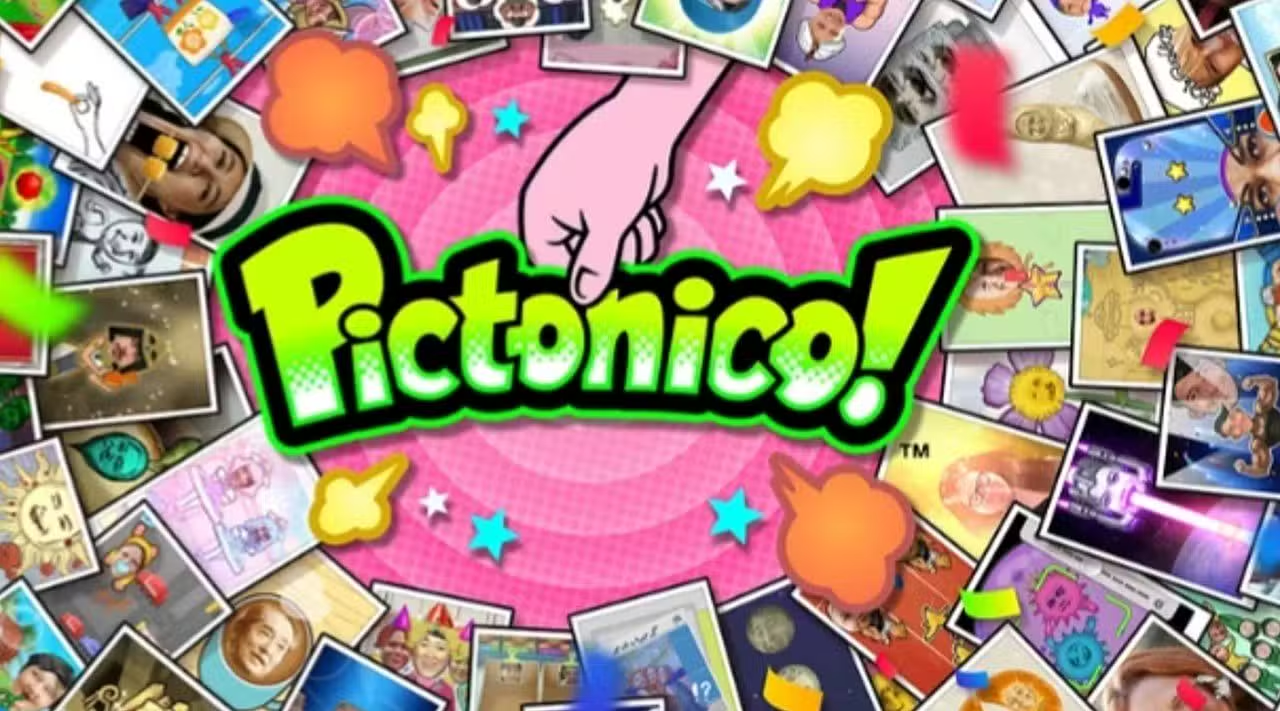
Nintendo has confirmed the launch of a new entertainment app for mobile devices called Pictonico!. The project’s official debut on the global market is scheduled for May 28, 2026. The title’s central proposal moves away from the Japanese company’s traditional franchises. The focus of development is on the use of real photographs of the users themselves to create interactive dynamics. The main mechanic transforms images captured by cell phone cameras into central elements of short, humorous games.
The fundamental concept of the work mixes characteristics of the company’s previous successes, uniting the frantic speed of the WarioWare series with the visual interactivity of Face Raiders. Players have the freedom to import personal portraits or images of friends and family into the system. The software processes these files and inserts them into up to 80 varied challenges. The developer itself classifies the experience as a completely absurd journey focused on visual humor, distancing itself from complex narratives or high-level competitions.
The unusual premise of transforming real photographs into interactive challenges
The application’s operation is based on a direct and intuitive interface for the casual audience. The user opens the camera integrated into the software, records their own face or those of people nearby and waits for the image to be quickly processed. The system cuts facial expressions and immediately applies them to three-dimensional models or two-dimensional scenarios within the virtual environment. Essa simplified facial mapping technology allows for instant comedic immersion. The absence of established characters such as Mario, Link or Kirby demonstrates the creative team’s confidence in the strength of pure mechanics.
The progression of difficulty occurs gradually during use sessions. The first tasks require basic commands by touching the screen or tilting the device. Advanced levels introduce complex rules and extremely short time limits. Cada step was designed to creatively explore features captured in increasingly unpredictable contexts. Subtlety goes far beyond the objectives of the project directors. The absolute focus lies on getting laughs through the visual shock of seeing familiar faces in embarrassing or heroic situations.
Especialistas in interaction design point out that this design choice favors in-person social engagement. The application works as a quick entertainment tool for friends or family get-togethers. The simplicity of the controls ensures that people of all ages can participate in rounds without the need for prior experience with video games. The universal appeal of digital photography acts as the main draw to attract consumers outside the traditional bubble of technology and desktop console enthusiasts.
Situações comics and scenarios integrated into gameplay
The product’s publicity campaign revealed some of the unusual situations that users will encounter throughout the matches. Sets range from exaggerated everyday events to full-on fantasies. The variety of contexts aims to keep the surprise factor high, even after hours of continuous use of the application. The art team invested in exaggerated animations to complement the humor of the photographic montages generated by the system.
The company detailed some specific examples of situations present in the game’s catalog of challenges:
- Sports Estrelas walking the red carpet at awards shows.
- A hungry chef chasing the player’s face across the screen.
- Memórias embarrassing and embarrassing high school situations.
- Velhos friends parachuting in free fall.
- A grandfather dressed in full classical ballerina regalia.
- A mother dealing with the urgent need to shave her nose hair.
Esses examples illustrate the artistic direction adopted by the studio responsible for development. The mix of mundane elements with visual absurdities creates an identity of its own for the new brand. The ability to generate funny screenshots from these situations also suggests a strong potential for going viral on social media. The organic sharing of these modified images should boost the user base in the first few months after the official launch on digital platforms.
Estrutura monetization and free initial access model
The commercial strategy defined for Pictonico! follows consolidated trends in the mobile application market. The title will reach digital stores in a free-to-play format, allowing downloads with no initial costs. Consumers will have access to a limited selection of minigames to test basic functionality and facial mapping technology. Essa free sample works as an interactive showcase to convince the audience about the entertainment value offered before any charges.
Unlocking full content will require financial transactions within the app itself. The company chose to divide the challenge package into volumes sold separately. The first expansion volume will cost US$5.99 in North American stores. The second package, containing more complex dynamics, will be sold for US$7.99. The values adapted for the European market and the Brazilian public still await official confirmation from the technology company’s regional divisions.
Esse business model reflects a cautious approach towards monetization on mobile platforms. The absence of predatory mechanics like random reward boxes or infinite microtransactions aligns with the company’s recent policies to maintain a family-friendly image. The purchase of closed packages guarantees the consumer definitive possession of that set of activities. Market marketers Analistas find this tactic effective in converting casual users into paying customers without generating frustration with artificial progression barriers.
Mudança on track in strategy for the smartphone market
The announcement of this unprecedented intellectual property marks a significant change in the Japanese giant’s stance towards the mobile ecosystem. Nos In recent years, the corporation has adopted an extremely selective stance in relation to cell phone launches. Previous investments have focused almost exclusively on adapting multi-billion dollar brands, resulting in commercial successes such as Mario Kart Tour and Animal Crossing: Pocket Camp. The new project breaks with this established pattern and explores an alternative path.
The decision to invest resources in an eccentric and independent idea demonstrates a renewal of executives’ creative confidence. The concept exemplifies the company’s classic philosophy of prioritizing mechanical innovation over safe commercial appeal. Muitas Competing corporations would likely discard a prototype based on photographic collages during the initial approval phases. The fear of rejection by a public accustomed to ultra-realistic graphics often stifles experimental projects in the contemporary digital games industry.
The current digital entertainment landscape in 2026 requires differentiation to capture consumers’ attention. The saturation of app stores with clones of puzzle games and generic simulators makes room for truly original proposals. The focus on an experience focused on humor and physical social interaction positions the product in a niche little explored by large studios. The creative freedom granted to the developers resulted in a work that carries the unmistakable signature of quality and strangeness that defined the golden eras of the brand’s portable consoles over the last few decades.