Tulsi Gabbard resigns as Trump’s director of national intelligence to support cancer-stricken husband
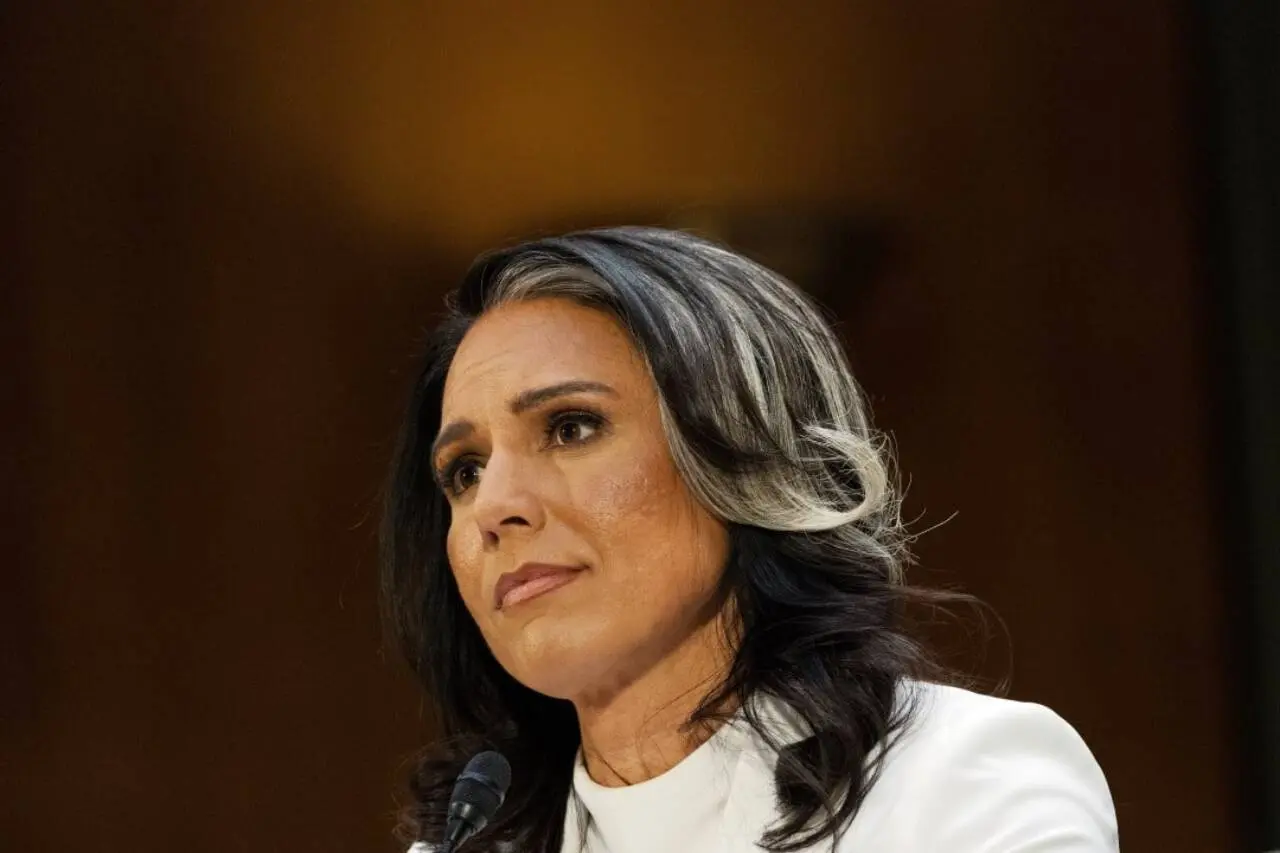
Tulsi Gabbard announced her departure as director of national intelligence from Donald Trump’s management on Friday. The decision comes after her husband, Abraham Williams, was recently diagnosed with a rare type of bone cancer. Gabbard communicated the decision through a letter addressed to the president, stating that she cannot ask her husband to face this battle alone while he remains in such a demanding and time-consuming position.
The resignation letter, dated Friday, establishes June 30 as the effective date of departure. Trump confirmed the match hours later, posting on his Truth Social network that Gabbard “did an incredible job” and will be “greatly missed” by management. The president also informed that Aaron Lukas, principal deputy of national intelligence director, will assume the position on an interim basis.
Saída in the context of administrative turnover
Gabbard’s resignation joins a growing series of departures and resignations at the top of the Trump administration in 2025. Apenas a month earlier, Lori Chavez-DeRemer stepped down as Secretária from Trabalho to take an unspecified position in the private sector. The movements reveal an unstable pattern of permanence in high-ranking positions.
The administration faced other significant departures. In April, Trump fired Attorney General Pam Bondi, who was facing pressure related to her handling of matters involving notorious sex offender Jeffrey Epstein. Todd Blanche, his deputy and Trump’s former personal defense attorney, assumed the role on an interim basis. Antes Additionally, in March, Trump had removed Kristi Noem from Segurança Interna’s leadership of Departamento following national controversies linked to the implementation of aggressive immigration enforcement policies in American cities.
Cronologia of ministerial departures
Recent moves in Trump management reveal continued instability:
- Kristi Noem: Removed from Departamento from Segurança Interna in March following implementation of controversial immigration policies
- Pam Bondi: dismissed as attorney general in April over issues related to Jeffrey Epstein
- Lori Chavez-DeRemer: Secretaria left Trabalho just over a month ago for the private sector
- Tulsi Gabbard: Resignation announcement Friday as director of national intelligence
Perfil and trajectory of Gabbard
Tulsi Gabbard is a political figure with experience from Câmara to Representantes to Estados Unidos, where she worked as a deputy for Havaí for two consecutive terms. Antes from her appointment to national intelligence, she held positions in defense and foreign policy bodies. Sua’s nomination for director of national intelligence was met with controversy during the confirmation process at Senado, with critics expressing concerns about her suitability for the role.
The decision to leave the administration marks a contrast with narratives of government stability. Diferentemente from previous layoffs, Gabbard’s departure is presented as voluntary and based on family personal circumstances. Ainda therefore, the departure contributes to the ongoing turnover in sensitive government positions.
Implicações for the intelligence framework
Aaron Lukas’s ascension to interim leadership represents administrative continuity as the government seeks permanent fill. Lukas, as lead deputy, already had familiarity with national intelligence operations. Sua transfer to executive position maintains institutional knowledge within the intelligence leadership structure.
The position of director of national intelligence coordinates activities of 18 federal intelligence agencies, including the CIA, NSA and FBI. The position requires confirmation from Senado for permanent occupation, a process that can last for months depending on political dynamics. Até confirmation of permanent replacement, Lukas will operate with legally limited authority.
Reações and political context
The news of his resignation came hours after a report by Fox News that preceded the official statement. Trump, questioned about his departure, confirmed the information without expressions of public annoyance. Gabbard’s description of work as “amazing” signaled continuity of personal relationships despite the administrative separation.
Gabbard received significant criticism during senatorial confirmation for his past foreign policy positions. Membros Democrats questioned his contacts with foreign officials and positions on military interventionism. Grupos national security officials raised concerns about his preparedness to coordinate national intelligence in the context of heightened geopolitical tensions with Rússia, China, and Irã.
institutional Perspectivas
The initial appointment of Gabbard represented Trump’s bet on an unconventional figure for intelligence. Sua’s departure after months in office leaves open questions about the long-term vision for the direction of the American intelligence community. The pattern of frequent changes in critical positions raises considerations about strategic continuity in matters of national security.
Intelligence Agências typically seek leadership stability for maintaining field operations, long-term analysis and trusted relationships with international partners. Accelerated Rotatividade could impact interagency coordination and medium-term strategic planning on international threat issues.