
The technology sector records an increase in the supply of Android tablets priced below the $349 charged for the entry-level iPad model in 2026. Empresas such as Samsung, Lenovo, Xiaomi and TCL provide equipment aimed at media consumption, studies and daily tasks. Devices hit the market with large screens and long-lasting batteries. The manufacturers’ strategy aims to attract consumers who seek satisfactory performance without the need to invest in the Apple closed ecosystem.
The new devices cost around $300 in initial versions and feature full compatibility with Google applications. Storage expansion through microSD cards is standard in most models presented by Asian brands. Especialistas from the industry indicate that the audio quality and portability make these options viable for different usage profiles. Direct competition with the Apple tablet forces companies to include advanced features in price ranges that are more accessible to the general public.
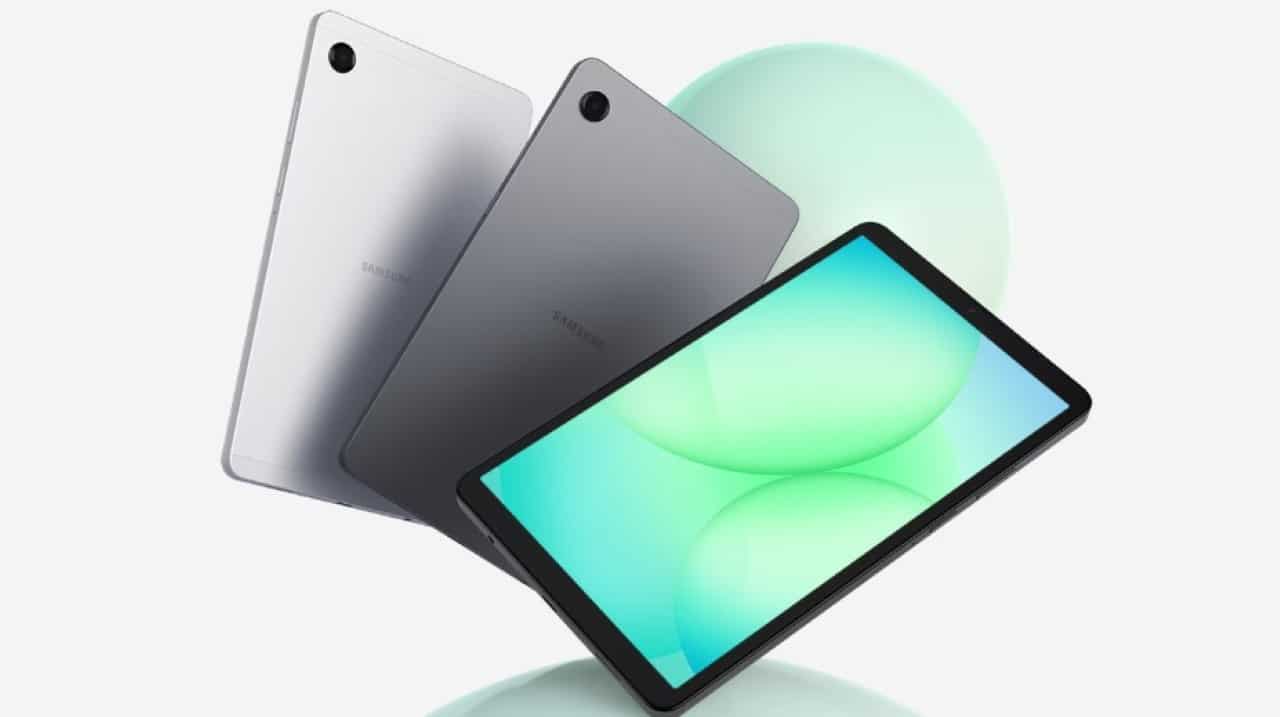
Mercado of Mobile Devices Gains Cost-Effective Options in 2026
The diversification of companies’ portfolios changes sales dynamics in the portable electronics segment. Consumers find alternatives ranging from 8.7 to 12.1 inches. The panels cover everything from reading documents on the go to playing high-resolution videos at home. The integration of more efficient processors allows equipment to perform multiple simultaneous tasks without noticeable crashes. The Android operating system guarantees access to a vast library of free and paid software in the official store.
The list of equipment highlighted this year includes five main models that compete for buyers’ preference on virtual and physical shelves:
- Samsung Galaxy Tab A11+ with 11-inch screen and 128 GB or 256 GB options.
- 8.7-inch Lenovo Tab One retails for approximately $100.
- Xiaomi Redmi Pad 2 Pro with 12.1 inch display and 120 Hz rate.
- Lenovo Idea Tab Plus, which also offers a 12.1-inch panel.
- TCL Tab 10 Gen 4 with a focus on the consumption of multimedia content.
The presence of batteries capable of supporting hours of continuous use represents a decisive factor for users who spend long periods away from sockets. The technical specifications demonstrate a significant advance compared to previous generations of entry-level tablets. The architecture of mobile processors has evolved rapidly. The global technology market recognizes the demand for devices that balance cost and benefit without sacrificing basic usability.
Samsung and Lenovo offer versatility for students and professionals
The Samsung Galaxy Tab A11+ is positioned as a balanced device for daily use. The 11-inch panel has a refresh rate of up to 90 Hz, which provides greater smoothness in the transition of images and texts. The South Korean manufacturer offers the device with 6 GB or 8 GB RAM, combined with 128 GB or 256 GB internal storage. The initial price of 250 dollars guarantees significant savings in direct comparison with the basic iPad.
Integration with Google Gemini adds artificial intelligence tools to the device system. Support for 25W fast charging speeds up replenishing power from the 7040 mAh battery. The estimated autonomy reaches 15 hours of uninterrupted operation under normal conditions of use. The interface customized by Samsung adds shortcuts that make screen splitting easier. The Pen S Pen, used for precision notes and drawings, requires separate purchase by interested parties.
The Lenovo Tab One serves the public that needs extreme portability and low acquisition cost. The model hits stores for 100 dollars and features the MediaTek Helio G85 processor inside. The basic configuration has 4 GB of RAM and 64 GB of file space. The 8.7-inch display makes it easy to carry in small bags and backpacks. The battery also provides up to 15 hours of internet browsing and music playback.
Wide Telas and high refresh rate mark launches
Chinese manufacturer Xiaomi introduced the Xiaomi Redmi Pad 2 Pro with a focus on visual quality. The equipment displays a 12.1-inch screen with 2.5K resolution and peak brightness of 600 nits. The intense brightness allows comfortable reading even in environments with a strong incidence of direct sunlight. The Snapdragon 7s Gen 4 processor works together with at least 6 GB of RAM and 128 GB of storage. The starting price is around 270 dollars on the international market.
The Hz model’s 120 refresh rate Xiaomi optimizes light gaming and web page scrolling. The audio system incorporates four speakers compatible with Dolby Atmos technology. The HyperOS interface, based on Android, provides productivity features for the end user. More accurate color reproduction meets the demands of users who consume high-fidelity photographs. Complementary Acessórios, such as the brand’s smart pen, do not come with the product in the original box.
The Lenovo Idea Tab Plus follows a similar proposal in terms of physical dimensions. The tablet has a 12.1-inch screen, 2.5K resolution and a refresh rate of 90 Hz. The eight-core processor and 8 GB of RAM ensure the agility necessary for the student profile. The suggested retail price of $279 includes a thin chassis and four sound outputs with Dolby Atmos. The slim structure contributes to ergonomics during prolonged handling in classrooms or offices.
Foco in Entertainment and Memory Expansion Set Entry Models
The TCL Tab 10 Gen 4 maintains physical proportions close to those of the basic iPad, with a 10.1-inch Full HD display. The average cost of $200 attracts consumers primarily interested in video streaming platforms. The proprietary NXTVISION technology works to improve the contrast and saturation of colors displayed on the screen. The sound system has dual speakers and the Sound Booster function for volume amplification in noisy environments.
The TCL device has 8 GB of RAM and 128 GB of internal capacity from the factory. The possibility of expansion via microSD card solves the problem of lack of space for downloading films and series. The flexibility of offsite storage represents an economic advantage. The user does not need to purchase more expensive versions of the same device just to obtain more internal space. The hardware supports the opening of multiple applications in a moderate way, without compromising the stability of the operating system.
The choice between the options available on the market in 2026 depends on each buyer’s priority. Compact Dispositivos favors daily mobility. Larger Telas benefits productivity and immersive entertainment. The absence of a closed ecosystem provides freedom to install applications from various sources. Current hardware configurations guarantee the longevity of the devices in the face of future software updates made available by Google and by the manufacturers themselves.
