

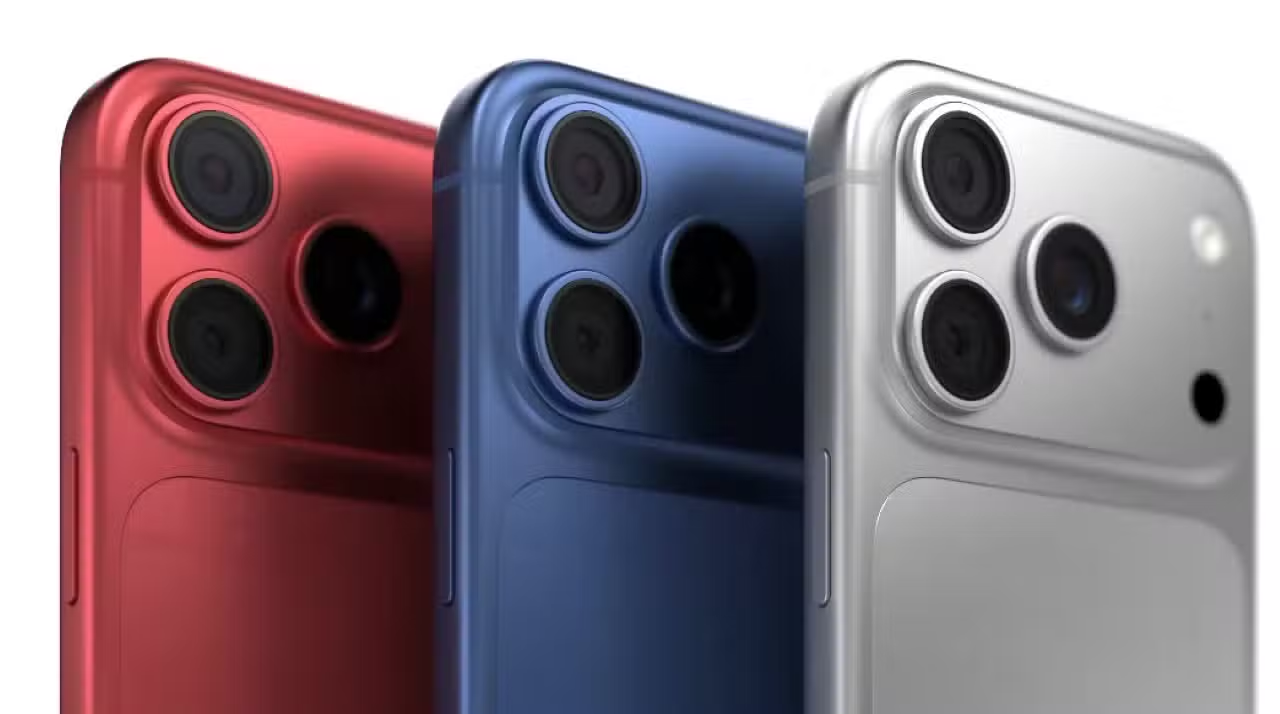
Apple began the structural development of the iPhone 18 Pro with drastic changes to its visual identity and energy capacity. The company’s new high-end device features a chassis with a translucent finish and an expanded 5200 mAh battery. The supply chain at Ásia is already adapting its assembly lines to accommodate the new components. The project marks a departure from the aesthetic standard maintained by the manufacturer in recent years.
The change in the external design accompanies a complete restructuring of the device’s internal architecture. The company’s Engenheiros needed to rearrange the arrangement of parts to create an attractive look through the rear window. The introduction of a higher density battery and a new heat dissipation system required precise modifications to the smartphone’s physical space. Analistas from the technology sector monitors the impact of these choices on production costs and final consumer prices.
Translucent Design exposes internal components and magnetic ring
The rear panel of the smartphone uses a special glass with translucent properties and high scratch resistance. Partial transparency allows viewing of selected internal elements, such as the MagSafe system ring and structural parts of the processor. The aesthetic approach is reminiscent of the brand’s classic computers launched in the late 1990s, but uses contemporary materials and advanced fusion techniques. The side structure maintains the use of titanium, with refinements in the finish to reduce the accumulation of finger marks.
The water and dust resistance certification remains unchanged, despite the complexity of the new panel. Assembling translucent glass requires a different sealing process than previous opaque models. The industrial design team at Apple applied chemical treatments to the surface to avoid unwanted reflections that could obscure the view of the interior. The organization of internal cables and connectors received extra attention to ensure a clean and symmetrical visual presentation.
5200 mAh Bateria uses silicon-carbon technology
The device’s energy capacity reaches 5200 mAh, a significant leap compared to previous generations. The manufacturer achieved this number through the adoption of silicon-carbon based battery cells. Esta technology allows you to store more energy in a smaller physical space, avoiding excessive increases in the thickness and weight of the device. The high-density component meets the growing demand for autonomy in smartphones with high-brightness screens and powerful processors.
The fast charging system has also undergone revisions to support the new battery capacity. Thermal management during charging uses advanced algorithms to preserve power cell life. The internal structure features a vapor chamber and graphene sheets to dissipate heat generated by intense processing and charging. Temperature control is critical to maintaining stable performance in complex tasks. Efficient cooling prevents sudden drops in performance during continuous use.
Two-nanometer Processador and optical assembly upgrades
The smartphone’s main hardware is driven by a chip manufactured in the two-nanometer process, tentatively called A20 Pro. The miniaturization of transistors offers greater energy efficiency and superior processing capacity. The production of these semiconductors takes place in Ásia partner factories, which invested in new extreme lithography equipment to meet deadlines. The component handles advanced artificial intelligence operations directly on the device, without relying on constant connection to external servers.
The rear camera module features lenses with variable aperture, allowing greater control over light input and depth of field. The main sensor captures images with greater clarity in low-light environments. The integration between photographic hardware and image processing software results in more accurate records with less visual noise. The optical assembly takes up a considerable amount of space at the rear, but the translucent design helps to soften the protrusion of the lenses.
The device’s technical specifications include improvements focused on user experience and high-quality media capture:
- Projetor of infrared dots positioned under the screen for the Face ID biometrics system.
- Painel with microlens technology to increase maximum brightness without increasing power consumption.
- Capacidade video recording at higher resolutions with high frame rates for content producers.
- Telephoto Lente with improved optical zoom system for long-distance shooting with advanced stabilization.
Reducing the bezels around the display maximizes usable viewing area without increasing the overall dimensions of the phone. The OLED screen delivers accurate colors and deep contrast, essential features for high-end media consumption and gaming. The adaptive refresh rate adjusts the fluidity of the image according to the content displayed, saving battery during static reading times. Brightness Sensores operates invisibly under the front glass.
Desafios on the assembly line and impact on the global market
The large-scale manufacturing of the new model imposes logistical and technical obstacles for the supply chain. Assembling the translucent chassis requires production environments with strict particle control, as any internal dust would be visible to the end consumer. Parts suppliers at Ásia perform yield testing to ensure that the component rejection rate remains within acceptable margins. The cost of premium materials, such as titanium and special glass, puts pressure on the profit margins of industrial operations.
The introduction of new technologies into the smartphone market often dictates trends for the following years. Concorrentes monitor device development to adjust their own release schedules and marketing strategies. Device connectivity encompasses support for Wi-Fi 7 networks and advanced satellite communications systems for remote areas without cellular coverage. The combination of bold design and cutting-edge specifications positions the product at the highest end of the consumer electronics category, establishing a new value ceiling for the mobile industry.