

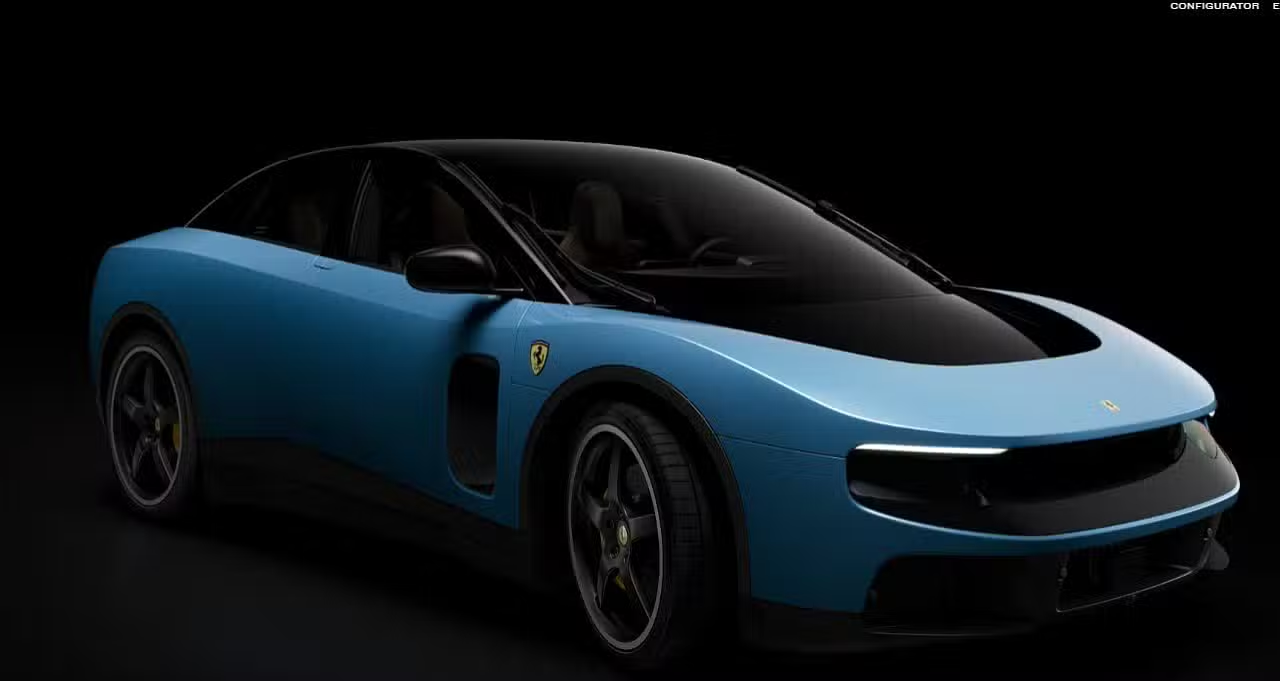
The launch of the Ferrari Luce generated more excitement about its design than about its electrical technology. The controversial aesthetics led designers to imagine how the car would behave with badges from other brands, revealing surprising adaptability. The renders show that the Maranello model wears different visual identities with remarkable coherence.
Controversial Design marks break with tradition
The Luce represents the Ferrari’s first foray into 100% electric propulsion, but public debate has focused on the radical departure from traditional visual language. The LoveFrom studio, led by the former Apple Jony Ive designer, was responsible for the aesthetic design. Este breaking with the standards established by Centro Stile Ferrari generated immediate questions about the future look of the Italian brand.
The break was intentional. Ferrari chose not to become an electrical-only brand, allowing Luce the freedom to build its own identity. Esse strategic positioning opened space for innovation, but also sparked criticism about the departure from the visual codes that have defined the brand since its foundation.
Jeep Avenger and Honda Type R in imaginary versions
The renders explore the plasticity of the Luce’s design by transplanting emblems from different manufacturers. With the Jeep badge, the model gains 7-grid lighting and Hawaiian paint from the new Compass. The visual proximity between the front lights of the Luce and Avenger became a reason for immediate comparison among enthusiasts.
The Dodge interpretation appears equally convincing. The electric Charger Daytona shares similar translucent grille philosophy to the Luce. The Dodge’s full-width lanterns and illuminated emblem create unexpected harmony. The Redeye finish contrasts with the glossy black panels of the Ferrari model, producing a visually balanced combination.
Honda receives special treatment inspired by the Type R. The studio imagined the Luce with a carbon fiber aerodynamic package and red bucket seats. The irony emerges when one considers that the canceled Honda 0 Sedan had more exotic proportions than the Luce itself. Ferrari has abandoned high-profile projects while Honda does the opposite.
Xiaomi and Apple iCar complete the series
The incursion into the Chinese market emerges naturally. Xiaomi, with its tradition of technological products, presents itself as a coherent choice given the gadget nature of the Luce. The render incorporates Lighting Yellow livery and silver SU7 Ultra ribbons, complemented by Mi emblems. Sensores roof lidar and aerodynamic carbon fiber appendages reinforce the vehicle’s tech-forward identity.
The final bonus reimagines the Apple iCar. The Projeto Titã, canceled in February 2024 after consuming billions in research and development, never reached the market. Ferrari, by outsourcing Luce’s aesthetic to LoveFrom, may have offered Jony Ive a platform to express fragments of the ambitious vision that Apple abandoned. The minimalist render applies Apple logos, side grilles, disc-style wheels and Cosmic Orange finish taken from the latest iPhone line.
Contexto of innovation and controversy
The collaboration between Ferrari and Jony Ive represents a rare phenomenon. Poucos automotive launches arrive with so much aesthetic baggage. The British designer has fundamentally shaped Apple’s visual identity for decades. Sua’s departure from the company opened up the possibility for projects like this, where its signature design finds application in an electric supercar.
Online comments reveal clear division. Críticos argue that the Luce abandons elements that define Ferrari visuality: mid-engine proportions, exposed engine, aggressive line language. Defensores point out that an electric vehicle demands reinterpretation. The central battery redefines weight distribution, eliminating the need for a long hood. Reduced cooling allows you to reimagine air intake systems.
Renders explore changeable visual identity
The series of renders demonstrates that Luce operates in a multipurpose visual space. Seu generic enough design allows transition between distinct brand universes without looking radically out of place. Esta rare feature raises fundamental question: is it flexibility or lack of definition? Especialistas are torn between appreciating the versatility or criticizing the lack of signature personality.
The trend of aesthetic copying by Chinese manufacturers remains inevitable. Considerando accelerated pace of innovation in the Asian automotive industry, derivatives of the Luce design could reach the market even before the first units leave Maranello. Este scenario illustrates contemporary competitive pressure, where super sports cars influence volume vehicle development.
Jony Ive brought a radically different perspective on Italian automotive tradition. Sua training in consumer electronics design influences the final result: clean proportions, minimalist details, harmony of surfaces. Este thought redefined expectations about what an electric super sports car should look like, confronting generations of established visual language.
The controversy remains legitimate. Algumas Radical changes define historical epochs of design. Outras just doesn’t resonate. Luce will occupy a position that only time and sales will determine. Entretanto, its ability to wear other identities precisely marks the starting point of the debate: a car that transcends its own origins.