

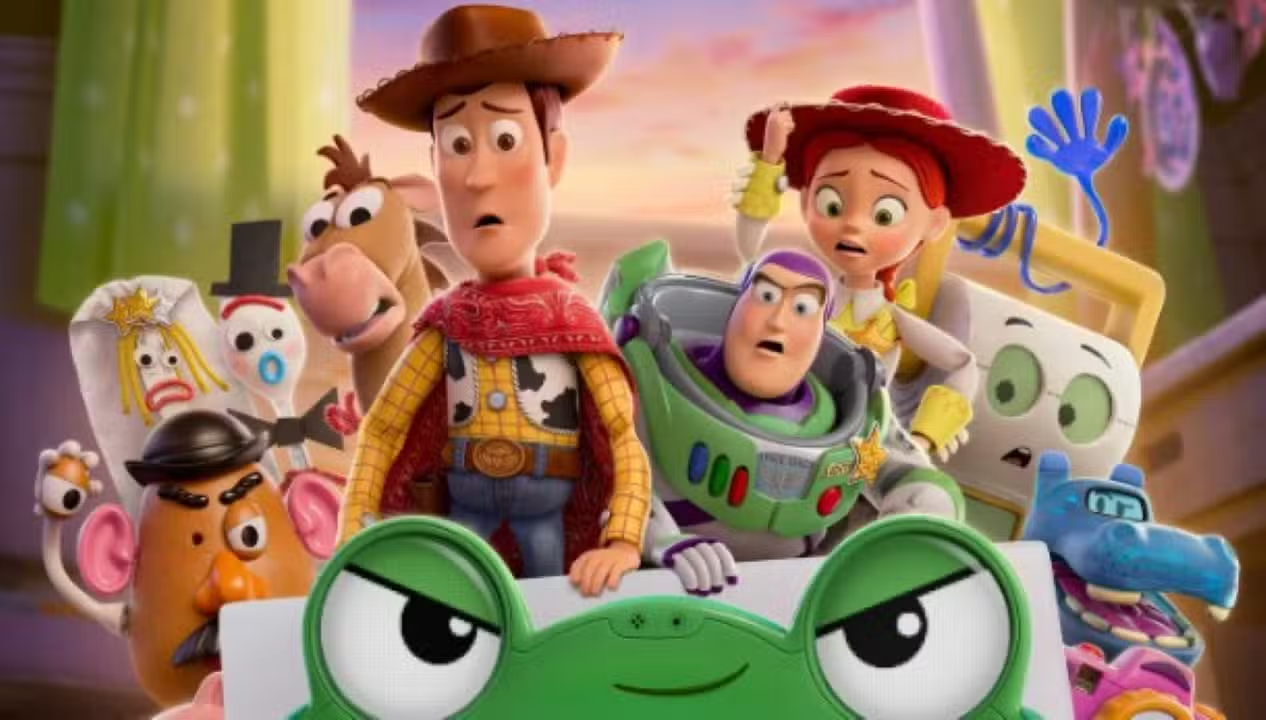
Woody gained new visual details in Toy Story 5. The character voiced by Tom Hanks appears bald, has gained weight and wears a red punch instead of his traditional costume. The change represents an important transition: the rope cowboy is now in retirement and has adopted a new philosophy of life, far from the worries that accompanied him in the previous films.
Andrew Stanton, director of the film, explained at a press conference at Anaheim the meaning behind the visual transformation. “Ele has a new purpose: to no longer be dedicated to a single child. He is on the field, without worries,” he stated. Baldness functions as a specific narrative symbol. “The baldness symbolizes that he’s simply exhausted from not caring so much about his appearance anymore — just doing whatever dirty work is necessary to save a toy,” Stanton added.
The creative origin of Woody’s baldness
The idea came up in a relaxed way during a joke session about old toys. Stanton revealed that the team considered even more extreme details to age the character. McKenna Harris, co-director of the film, shared that there were visual concepts that didn’t make it into the final cut. “We wanted it to be extremely bleached by the sun, but that idea didn’t come to fruition,” said Harris.
The decision to age Woody reflects the passage of time within the narrative. The film takes place a few years after the events of Toy Story 4, a period in which significant changes occurred among all the toys. The character’s transformed look immediately communicates to the audience that this is a different story from the previous ones, with new dynamics and purposes.
Lilypad isn’t exactly a traditional villain
Lilypad, the new character voiced by Greta Lee, faces misinterpretations among fans. Embora appears as the main antagonist during part of the plot, the character represents something more complex than a classic villain. Ela symbolizes the contemporary reality in which tablets and screens dominate childhood.
The film modernizes the franchise by exploring this technological change. Bonnie, now 8 years old, spends time on digital devices interacting with friends through group chats and online games. Lilypad emerges in this context, not as a malevolent being, but as the manifestation of a cultural transformation that directly affects toys. The real question that drives the narrative involves:
- The risk of extinction of physical toys in the digital age
- Changing play habits of modern children
- The necessary adaptation of the characters to this new reality
- The conflict between tradition (toys) and innovation (technology)
- The relevance of toys for connected generations
Elenco returns with new members
The classic Toy Story gang returns to the film. Buzz Lightyear, Jessie, Rex, Forky and the rest of the group participate in the new adventure. Junto with them, new toys join the team, expanding the dynamics already known to fans. The combination of established characters and new additions creates narrative opportunities that are different from previous films.
Tom Hanks continues voicing Woody in his fifth appearance in the role. The actor has followed the character’s entire trajectory since 1995, which makes the visual transformation even more significant for those who have followed the franchise for decades.
Contexto’s debut and reception
Toy Story 5 will be released in theaters on June 19, 2026. Pixar released the first 30 minutes of the film during a preview screening for journalists and specialized critics. Esse initial material generated discussions about the direction the franchise is taking, especially regarding the aging of the characters and the introduction of themes related to technological obsolescence.
Fans eagerly await every bit of information released by the studio. The revelation about Woody’s transformed look and Lilypad’s role fueled debates within fan communities about the deeper meaning of creative choices. The explanations provided by the filmmakers demonstrate that nothing was included in the production by chance.