

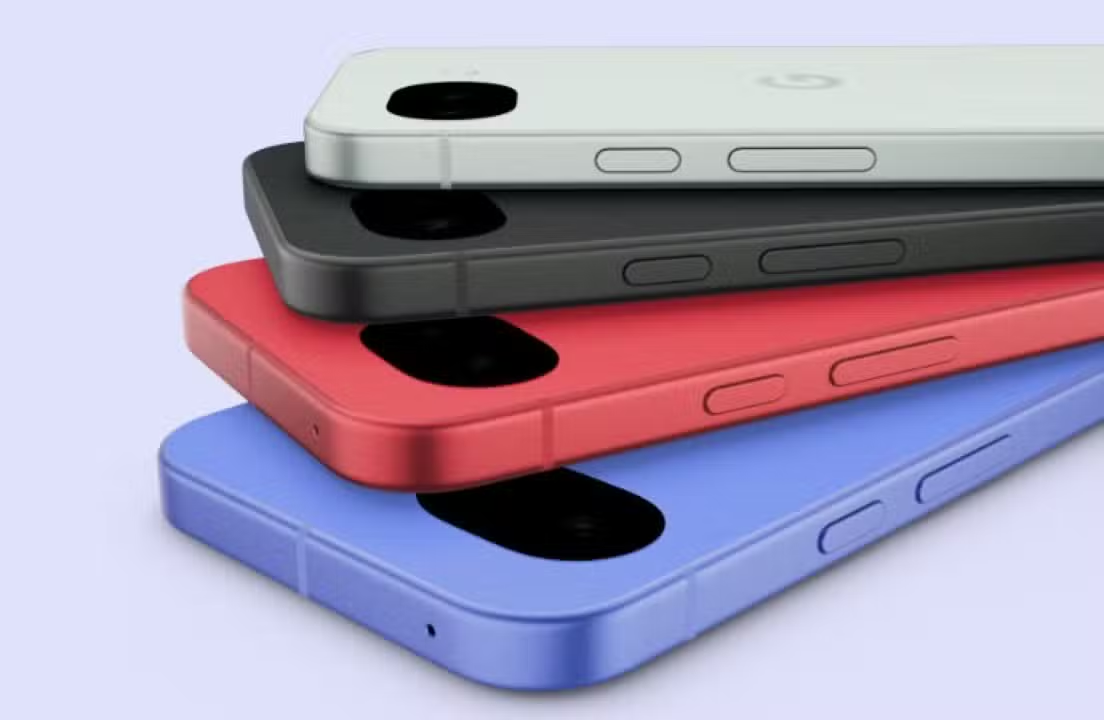
The manufacturer is preparing the launch of Google Pixel 11 for August 2026, as shown in recently released CAD rendering files. The new smartphone maintains the brand’s consolidated visual identity, but introduces structural refinements to the front and camera module. The device has dimensions of 152.8 x 72 x 8.5 millimeters, registering a slight reduction in the total thickness of the chassis compared to its predecessor.
The leaked images indicate that the company has managed to reduce the edges around the 6.3-inch panel. The change meets market demand for superior frontal usage, aligning the device with competitors in the premium segment. The rear photographic module has undergone visual modifications and now features a completely dark finish, eliminating the predominant body color that surrounded the flash in previous generations.

Internal Arquitetura and transition to MediaTek components
The Google Pixel 11’s processing runs on the Tensor G6 chip, developed in-house to accelerate machine learning tasks and optimize image capture. The new processor adopts a seven-core architecture, designed to deliver greater energy efficiency. The strategy focuses on vertical integration between proprietary hardware and the Android 17 system, ensuring fluidity in the execution of applications and artificial intelligence resources.
A significant engineering change involves replacing the modems supplied by the Samsung. The new generation now uses the MediaTek M90 component, a technical decision aimed at solving signal instability and heating problems reported by users of older versions. The internal set is reinforced by the Titan M3 security chip, which makes its debut offering additional layers of protection against physical attacks and digital intrusions.
Especificações techniques and storage capacity
The memory configuration maintains 12 GB of RAM as standard, a specification necessary to support local processing of tools based on artificial intelligence. The initial storage capacity remains a point of discussion in the sector, as the base 128 GB version differs from the 256 GB standard adopted by other brands. The expectation points to the offering of variants with greater internal space, despite the global increase in memory production costs in the last semester.
The power system presents an increase in its total capacity. The battery tops out at 5,000 mAh, a volume designed to sustain the upgraded hardware for a full day of use. Below are the main technical details confirmed by the structural leaks:
- Processador Tensor G6 with optimized seven-core architecture for energy efficiency.
- Integrated MediaTek M90 modem for stable mobile connections and wireless networks.
- Memória 12GB RAM dedicated to supporting advanced system functions.
- Painel 6.3-inch LTPO AMOLED with 120 variable refresh rate Hz.
- 5,000 mAh Bateria supports new magnetic charging standards.
The combination of these components aims to establish a higher level of performance for the 2026 line. The device’s engineering prioritizes thermal stability and battery life, critical factors for consumers who use smartphones as a work tool.
Refinamentos aesthetic and building materials
The design of the Google Pixel 11 consolidates the aesthetics that have become the visual signature of the family of devices. The horizontal camera bar adopts a more uniform and minimalist format, using a dark tone to camouflage the photographic sensors and the autofocus mechanism. The choice provides a cleaner and more professional appearance to the rear panel of the equipment.
The arrangement of the physical buttons preserves the traditional configuration established by the manufacturer. The power button remains positioned above the volume controls, a feature that differentiates the brand’s devices in the Android ecosystem. The side finish uses matte metal to ensure a firm grip. The glass back cover receives the latest generation Gorilla Glass Victus protection, a material developed to minimize damage caused by drops and scratches.
Tecnologia display and advanced biometrics
The front panel of the new smartphone employs advanced OLED technology to reproduce absolute blacks and accurate colors. The reduction of the margins around the display, evidenced in the CAD files, allows the usable area to appear larger without requiring the physical enlargement of the housing. Peak brightness reaches levels similar to those found on the Pro model, making it easier to read text and watch videos in direct sunlight.
The screen incorporates a dynamic refresh rate that adjusts the frame rate, saving battery power when reading still images. The biometrics system keeps the fingerprint sensor positioned under the glass, using ultrasonic technology to ensure quick unlocking. The hole dedicated to the front camera remains centered at the top of the display, taking up a small space so as not to interfere with the interface.
Desempenho photographic and long-term updates
The Google Pixel 11’s camera array represents the main attraction for consumers who demand photographic quality in a compact chassis. The main 50 MP sensor has physical optimizations in the lenses, designed to reduce internal reflections during night or against-light captures. Computational processing takes advantage of the new hardware to record photographs with true-to-life tones and deliver an expanded dynamic range in 4K video recordings.
The company’s technical support policy ensures seven years of security and operating system version updates. The model launched in 2026 will receive official software packages until mid-2033, extending the useful life of the equipment and sustaining its resale value. The device supports the Qi2 wireless charging standard, which uses magnets to align magnetic accessories. The official launch should take place in the second half of August, with a final price adjustment expected to be between 50 and 100 dollars, depending on the region.