

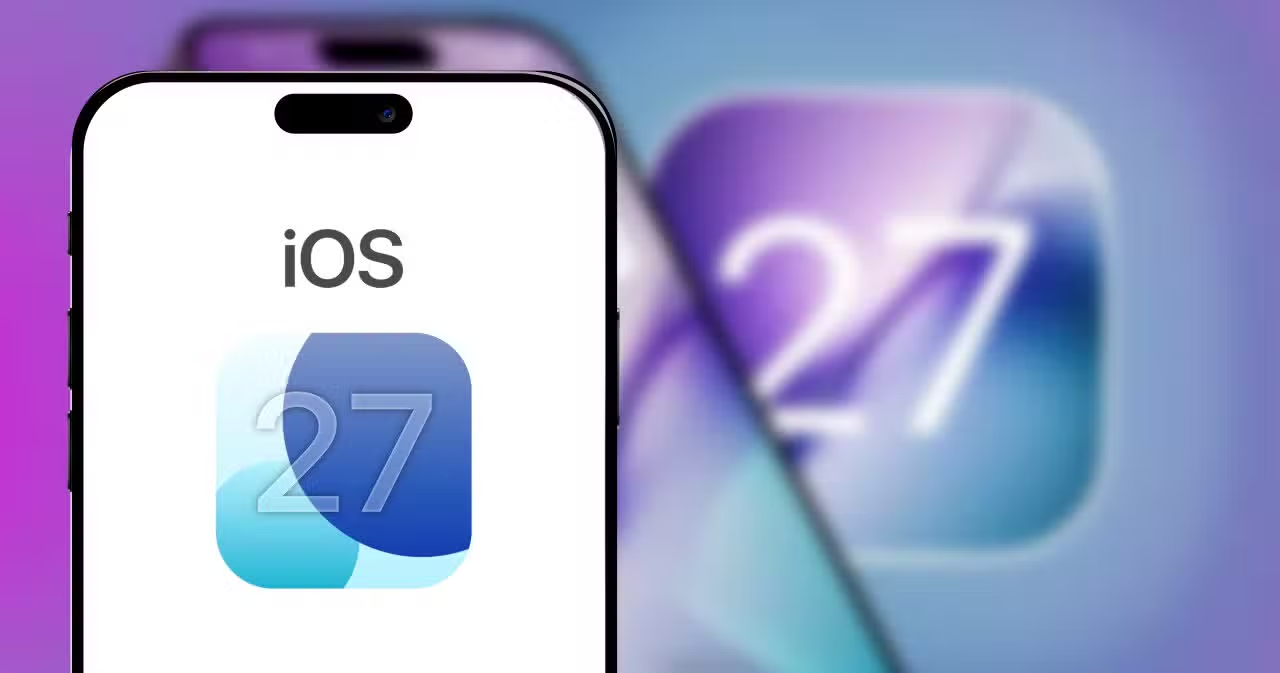
Apple develops a profound change in visual settings for the next generation of your mobile devices. The long-awaited iOS 27 will introduce a slider dedicated to adjusting the opacity of the graphical interface called Liquid Glass. The change is structural. The information came from journalist Mark Gurman, correspondent for the agency Bloomberg, recognized for anticipating the manufacturer’s internal movements. The feature will provide continuous regulation of the translucency applied to the elements that fill the smartphone screen.
Essa technical modification marks a considerable deviation from the technology company’s historical pattern. The company has always prioritized a closed software environment. Customization options remained restricted to ensure a uniform user experience among consumers in different regions. The arrival of this new mechanism replaces rigid choices with a level of visual detail unprecedented in the brand’s ecosystem. iPhone owners will be able to calibrate the appearance of the operating system according to their daily viewing and reading comfort requirements.

Mudança on design philosophy and graphic customization
The Liquid Glass aesthetic concept debuted on the global market during the iOS 26 rollout. The design language offered translucent panels that simulated a frosted glass plate positioned over apps and wallpapers. The manufacturer provided only two fixed settings for managing this visual effect at the time of launch. Users had to opt for the Limpo mode, characterized by absolute transparency, or the Tingido mode. The second option added a layer of soft color to try to make the icons stand out.
The limitations of these two alternatives provoked intense technical discussions among experts in digital usability. The modern aesthetic pleased a considerable portion of customers. Muitos preferred a clean and integrated interface. Outro consumer group, however, reported extreme reading difficulties when applying screen backgrounds with high color contrast. Standard factory options failed to meet the different external lighting conditions faced in everyday urban life.
Atualizações software minors attempted to correct the readability flaws with specific adjustments to the graphics code. The engineering team modified the contrast levels over the months following the official launch. Gradual improvements have proven the need for a definitive tool. Decision-making power needed to return to the hands of the end user. The scenario of partial dissatisfaction drove the development of the new opacity selector for the next generation.
Funcionamento technical new control interface
The mechanics designed for iOS 27 operate identically to the volume and brightness selectors present on the Central of Controle. A touch-sensitive bar allows you to drag your finger to raise or lower the opacity of Liquid Glass components. Change processing occurs in real time. The consumer observes changes in the graphical interface immediately while moving the digital indicator on the device’s screen.
The flexibility of the resource resolves the historical conflict between sophisticated design and practicality required by different usage profiles. Indivíduos with eye sensitivity can reduce transparency almost completely. The action guarantees solid and dark backgrounds for reading long texts. Pessoas that prioritize visual immersion in the wallpaper manage to maximize the frosted glass effect without compromising the fluidity of the operating system.
- Continuous Ajuste: Substituição of buttons fixed by a scroll bar with exact and personalized percentage variation.
- Environmental Adaptação: Facilidade to modify the screen contrast according to sunlight or dark environments.
- Immediate Resposta: Visualização of graphic changes at the exact moment the user touches the display.
- Manutenção visual: The tool corrects reading defects without abandoning the modern identity proposed by the designers.
Rendering the translucent effect demands massive processing power from the smartphone’s internal components. The system dynamically calculates background blur whenever the customer scrolls a web page or opens an application folder. The slider introduces an additional layer of mathematical complexity to the main processor. The innovation requires deep rewrites of the source code to prevent crashes during everyday browsing.
Desafios engineering to preserve device batteries
Mark Gurman’s report points out that expanding functionality creates severe technical barriers for the company’s programmers. The Apple already employs adjustment bars in isolated areas of the system. Editing the clock font on the lock screen is a clear example. Transferir this same freedom of customization for notifications, widgets and context menus requires a complete restructuring of iOS 27’s graphics rendering engine.
Developers tackle the urgent challenge of optimizing the power consumption of phones compatible with the update. Multi-layer variable transparency calculation can drain the battery quickly if not programmed extremely efficiently. The refresh rate for animations needs to remain set at 60 or 120 frames per second, depending on the specific device version. The raw performance of the cell phone must not suffer any drops under any circumstances of use.
Overcoming these hardware obstacles will define the viability of the tool in the final version of the operating system. The internal goal establishes complete stabilization of the resource before the public testing phase begins. Current corporate strategy prioritizes incremental improvements to the customer experience. The company avoids sudden visual changes that require a long period of adaptation by consumers who are already accustomed to the current format.
Expectativas for official announcement at WWDC 2026 conference
The manufacturer’s traditional calendar indicates the official presentation of iOS 27 during WWDC 2026. Worldwide Developers Conference will take place on June 8th this year. The annual event brings together programmers from all over the world at the company’s headquarters. The opening ceremony serves as the main stage for showcasing the company’s software innovations. Executives detail the main changes to operating systems before distributing preliminary test versions.
The conference will also cover updates to the technology brand’s entire product ecosystem. The public awaits hands-on demonstrations of recent editions of iPadOS, macOS, watchOS and tvOS. Visual integration between these platforms often drives design trends in the global electronics market. The Liquid Glass slider could signal a unified aesthetic standardization that will reach the company’s tablets, smartwatches and computers in the months following the event.
Portais communication experts organize dedicated schemes to record every detail of the developer conference. The TecMundo website confirmed real-time coverage of all announcements broadcast on the main stage of the presentation. The release of the first beta version of the system to registered programmers should take place minutes after the end of the ceremony. The technical community will evaluate the effectiveness of the new transparency bar and its real impact on battery consumption during practical daily use.