

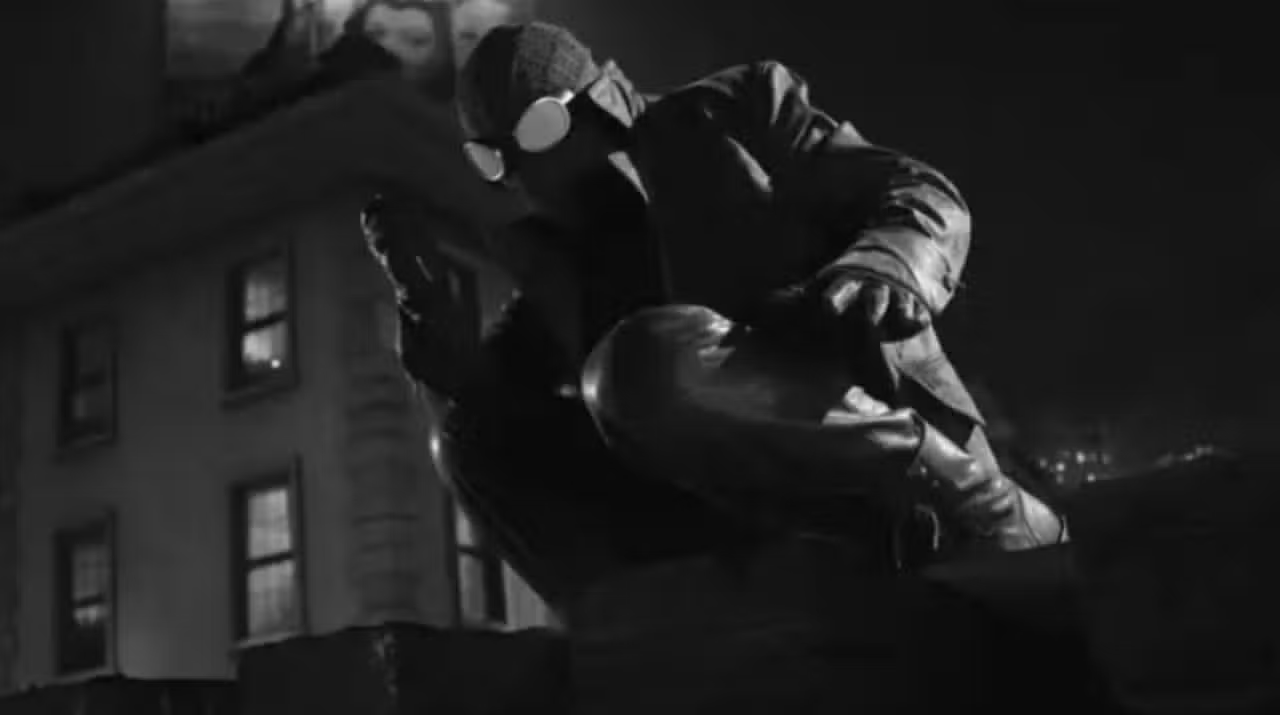
The monochromatic aesthetic and rhythm dictate the tone of streaming’s new venture into the superhero universe. The Spider-Noir production arrives in the Prime Video catalog with a visual proposal that deviates from the standard established by major franchises of the genre in recent years. Actor Nicolas Cage takes on the main role in the work. The series is the result of a direct collaboration between Amazon MGM Studios and Sony Pictures Entertainment. The project transports the viewer to the city of Nova York during the 1930s.
The development of the series gained momentum after the positive reception of the character in the animation Homem-Aranha: No Aranhaverso. The transition to the live-action format required significant adaptations to the narrative structure. The producers chose to maintain the black and white visual identity that characterizes the original version of the hero. The technical decision establishes a clear contrast with contemporary productions full of colorful visual effects. The first two episodes already available on the platform confirm the maintenance of the investigative atmosphere characteristic of classic police stories.
Monochrome Ambientação recreates Nova York from the 1930s
The series’ art direction uses the absence of colors as a fundamental narrative tool to establish the atmosphere of the time. Nova York’s city scenes feature dark alleys, smoky offices and streets marked by crime from the interwar period. Contrasting lighting highlights the characters’ expressions and the details of the period costumes. The aesthetic choice requires adaptation by audiences accustomed to the visual dynamism of comic book adaptations. The rhythm of the narrative follows this visual proposal with more extensive dialogues and specific action sequences.
The protagonist’s costume does not require the technological costumes common in current Marvel productions. The character wears adapted civilian clothes, basically consisting of a trench coat, fedora hat and aviator glasses. Organic web replaces the sophisticated mechanical launchers seen in other versions of the hero. Essa Limitation of technological resources forces the character to depend more on his deductive skills than on brute force. The approach substantiates the premise of an urban hero inserted in a limiting historical reality.
Ben Reilly takes on the role of a private investigator in the plot
The narrative moves away from the traditional youthful coming-of-age journey associated with Peter Parker. Nicolas Cage plays Ben Reilly, a mature man who works as a private investigator on the mean streets of Nova York. The character carries the weight of past experiences and demonstrates a cynicism characteristic of the protagonists of noir literature. The change in demographic focus aims to attract an adult audience looking for more complex plots. The script explores moral dilemmas and situations of systemic corruption that require solutions beyond simple physical combat.
Nicolas Cage’s performance in the initial episodes establishes a dark and reflective tone for the protagonist. The investigator deals with cases that often intersect with the interests of local organized crime. The absence of a mentor figure or a school environment transforms the dynamics of the character’s interaction with the city. The heroism presented in the series appears as a consequence of investigations, and not as an idealistic vocation. The episodic structure allows for a gradual delving into the investigator’s psyche and personal motivations.
Para contextualizes the differences of this version in relation to previous incarnations of the hero, the production establishes specific performance characteristics:
- The protagonist acts independently and without support from government organizations or cutting-edge laboratories.
- Investigations prioritize the collection of physical evidence and direct interrogations with informants.
- Hand-to-hand combat uses elements of the scenario and street survival tactics.
- The character’s civil identity has direct relevance in the advancement of official police investigations.
The absence of Parker’s signature youthfulness allows Reilly to offer a nuanced perspective on the weight of responsibilities. The protagonist’s journey maintains the essence of the messages of overcoming the Marvel universe, but applies these concepts in a hostile environment with no guarantee of happy endings. Initial reception indicates that the choice of the main cast supports the dramatic charge required by the script.
Elementos narratives differentiate production in the catalog of heroes
The construction of the antagonists follows the realistic proposal of the series. The villains don’t use extravagant costumes or destructive cosmic powers. The main threat emanates from mafia bosses, corrupt politicians and hitmen who control the city’s institutions. The organic insertion of these criminals into Nova York society makes the investigator’s work more complex. The black and white cinematography helps to camouflage the intentions of the secondary characters until the decisive moments of the plot.
The script avoids the simplified dualism between absolute good and unrestricted evil. The criminals have economic and political motivations based on the Grande Depressão crisis. The revelation of the classic antagonists of the Homem-Aranha universe occurs gradually and adapted to the noir aesthetic. The promotional trailers indicate that well-known figures from the comics will gain reimagined versions to suit the investigative tone of the work. The strategy works. The adaptation maintains the interest of longtime fans while presenting a self-contained narrative.
The decision to keep the pace slow represents a calculated risk by the developers. The narrative structure requires patience to build the central mystery and establish relationships between the characters. Action scenes function as climaxes to long sequences of investigation and dialogue. The format brings the series closer to prestigious police productions, distancing it from the traditional superhero subgenre. The reception of the first episodes indicates that the commitment to structural differentiation found a receptive audience in streaming.
Parceria between studios enables expansion of the Marvel universe
The making of Spider-Noir consolidates the production agreement between Amazon MGM Studios and Sony Pictures Entertainment. The partnership allows the exploration of secondary characters from the Homem-Aranha universe in exclusive formats for the digital market. Sony holds the film rights to the franchise and seeks to diversify the narrative approaches to its intellectual properties. Prime Video ensures global distribution of the series to its subscriber base. The business model allows for adequate budgets for the historical recreation required by the period script.
The launch of the series takes place at a time of reevaluation of the market for comic book-based productions. The saturation of interconnected narratives and global-scale events has made room for contained stories focused on character development. The work starring Nicolas Cage meets this demand for isolated content that does not require prior knowledge of dozens of films. The streaming platform offers the option to view in color, but the creators recommend the original monochrome experience. The availability of complementary titles, such as the upcoming debut of Homem-Aranha: Um Novo Dia, reinforces the company’s catalog.
The launch strategy foresees the periodic release of subsequent episodes to maintain audience engagement on digital platforms. Maintaining the mystery about the identity of the season’s main mafia leader serves as a driving force for weekly discussions. The audience performance of this first season will determine the viability of future productions focused on alternative versions of Marvel’s heroes. Full access to content requires an active subscription to the Amazon Prime service in territories where the platform operates commercially.