

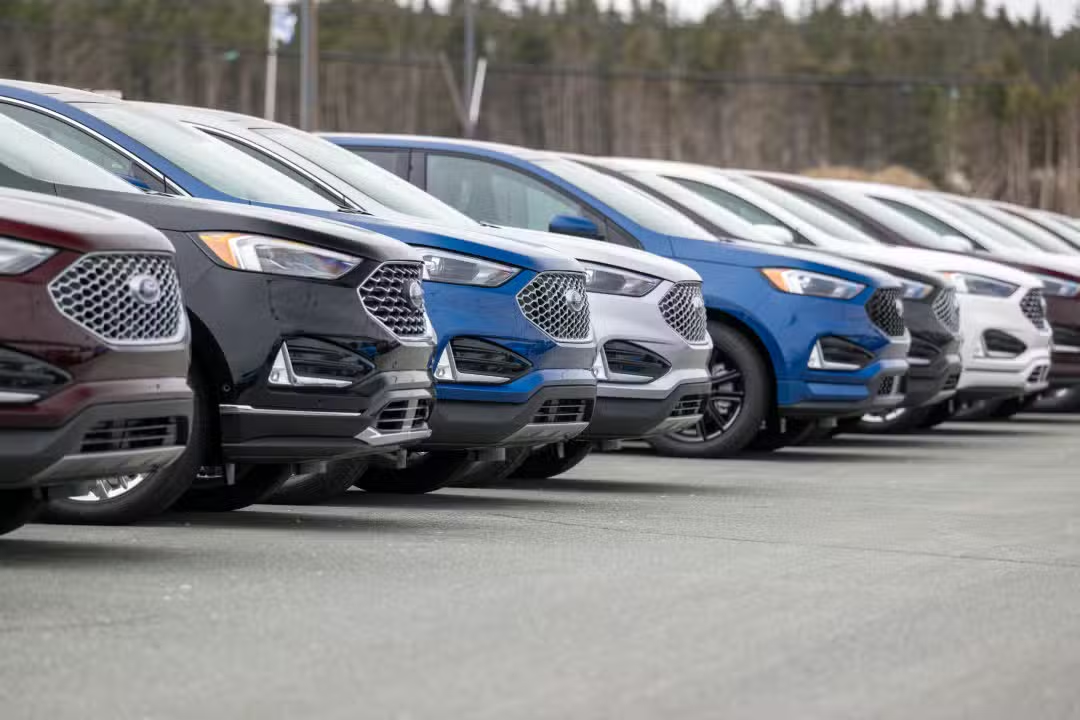
The new car market in the Estados Unidos faces a lasting contraction. One million potential buyers have left the segment since the beginning of the decade. Automakers plan for lower volumes this year. The annual sales number should be around 16 million units or less.
Essa reality contrasts with the pattern before the pandemic, when the sector had around 17 million vehicles sold per year. Analistas indicate that a return to old levels could take until the end of the decade. Families feel the weight of high prices, high interest rates and persistent inflation.
Preços average transaction approaches US$50 thousand
The average price of a new vehicle is around US$50,000. Esse level makes purchasing inaccessible for most consumers. Modelos under $25,000 has practically disappeared from dealerships. On the other hand, vehicles above US$55,000 gained significant space in inventory.
Total automotive debt in Estados Unidos reached $1.68 trillion. Rising insurance Custos and fuel prices also put pressure on budgets. Muitos Americans choose to keep older cars longer. Essa trend contributes to the reduction in demand for zero-kilometer models.
- Modelos affordable under US$ 25 thousand almost non-existent in dealerships
- Veículos above US$ 55 thousand represents a larger share of the current market
- Preço average transaction stabilized close to US$50 thousand
- Total automotive Dívida reaches US$ 1.68 trillion
- Custos of financing and insurance reduces family purchasing power
Montadoras prioritize profits with lower volumes
Manufacturers discovered during the pandemic that it is possible to achieve high margins with fewer units sold. Caminhonetes and more expensive SUVs boost the bottom line. Industry Executivos have adopted a more disciplined approach to operations. John Murphy, an automotive sector analyst, highlighted that this strategy benefits investors and the share price.
The industry has reduced the use of aggressive pricing incentives. The focus is now on products with higher added value. Várias Automakers admit the affordability problem, but few signs indicate imminent launch of cheaper options. The current business model favors a smaller customer base with greater purchasing power.
Previsões for 2026 points to stagnation in sales
Projeções from different consultancies indicate sales of between 15.8 million and 16 million new vehicles in 2026. Esse volume represents a drop compared to recent years and a clear distance from the 17 million pre-pandemic. Fatores as trade tariffs and geopolitical uncertainties could worsen the scenario.
Automakers adjust production and long-term planning to this new level. The sector does not expect a quick recovery in demand. Consumidores faces higher installments and tighter credit conditions. The trend is towards stabilization at levels lower than historical levels.
Mudança structural in the vehicle offer profile
The product mix at dealerships has changed permanently. The supply of sedans and compact models shrank. SUVs and pickup trucks dominate assembly lines and advertisements. Essa transformation meets the demand of those who can still buy, but excludes a significant part of the traditional public.
Algumas brands explore hybrid and entry-level electric options to attract cost-sensitive buyers. However, the impact of these initiatives is still limited in total volume. The sector appears to have accepted a more concentrated market reality. Future Recessões may test the resilience of this strategy.
Impacto reaches families and the local economy
Concessionárias in several regions report lower customer movement. Vendedores observe that many interested parties leave without closing a deal because of financing. The maintenance of used vehicles gains relevance in the daily lives of Americans. Oficinas and parts markets see stable or growing activity.
The shrinking of the new market also affects indirect jobs in the automotive chain. Fabricantes of components and logistics feel the reduction in scale. The sector still generates high profits in the short term, but the narrower customer base poses risks for the future. Analistas closely monitors possible changes in purchasing behavior.