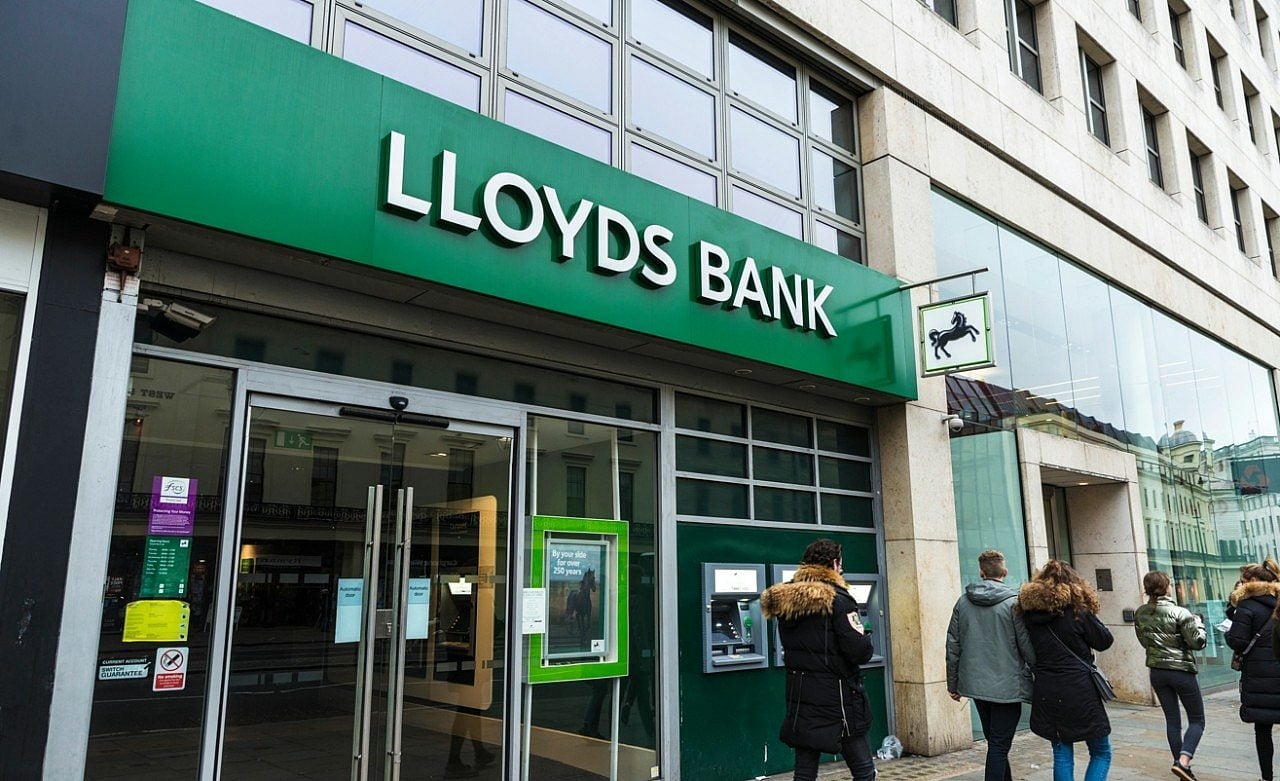
Lloyds Banking Group issued an apology this Thursday (9) after thousands of customers faced difficulties accessing its online banking services. The digital platforms of Lloyds Bank, Halifax and Bank of Scotland recorded widespread instability, preventing access to accounts and the carrying out of transactions. The incident generated frustration among users, who depend on digital services for their financial routines.
The problems affected a wide range of operations, from logging into the mobile app to accessing internet banking in browsers. Muitos customers have reported being unable to perform basic tasks such as checking balances, transferring funds, or paying bills. Essa outage comes at a time of increasing dependence on digital banking services, highlighting the vulnerability of systems to technical failures.
Problemas access impact thousands of customers
Milhares of Lloyds Banking Group customers have been prevented from accessing their accounts and carrying out online transactions due to a service outage. The failure compromised the functioning of the applications and internet banking of the Lloyds Bank, Halifax and Bank of Scotland brands. Muitos users have encountered error messages when trying to log in or browse platforms.
The instability sparked a wave of complaints on social media, with customers expressing concern and seeking solutions to their urgent financial needs. Alguns reported that they were in the middle of an important transaction, such as sending money, when the system stopped working. Difficulty accessing one’s money or making payments can have significant implications for the daily lives of those affected. Lloyds Banking Group is Reino Unido’s largest provider of retail and commercial banking services, serving 26 million customers, which amplifies the impact of any failure.
Official Apologia and error messages released in X
Diante from the negative repercussions, Lloyds Banking Group used his official account on X (formerly Twitter) to publicly apologize for the interruption. “We are aware that some customers are having issues with our app and internet banking. Lamentamos very much so,” Lloyds Bank posted, acknowledging the extent of the inconvenience. The company assured that it was committed to resolving the problem and promised to notify customers as soon as normality was restored.
In a similar way, Halifax also appeared on the same platform. The company responded to a customer who was unable to access their account, stating: “Some customers are having trouble accessing our mobile app at this time. Pedimos your understanding as we resolve the issue.” Além’s social media messages, users of the Lloyds app were faced with an internal warning that read: “Sorry, we are experiencing some technical issues. Fazer logging in again may resolve the issue, but if that doesn’t work, try again later.”
Detalhes outage: reports and technical failures
The outage manifested itself in a variety of ways for users, causing a series of specific problems that prevented access to and use of online banking services. Relatos detailed on social media and online forums painted a clear picture of the difficulties faced by customers. Essas information was crucial to understanding the extent of the problem.
Key difficulties and error messages included:
- Dificuldade to access the mobile app, with the app not loading or failing to login.
- Impossibilidade can access online banking through both the app and the official website.
- Bloqueio from important transactions, such as attempts to send money to third parties.
- Exibição of a “503” error message, indicating that the server was not ready to process requests.
- Falha at login even after multiple attempts, contrary to the suggestion to restart the application.
Essa series of technical issues suggests a deep flaw in the infrastructure supporting the banking group’s digital services. The 503 error message, in particular, points to an overload or temporary unavailability of the servers.
Monitoramento of Downdetector points to the beginning of instability
The website Downdetector, known for monitoring service outages on digital platforms globally, has recorded a significant spike in complaints related to Lloyds Banking Group services. Segundo platform data, the first reports of problems began to emerge at around 11:15am BST (British Summer Time), marking the beginning of instability. The rapid escalation of notifications on Downdetector reflected the scope and severity of the flaw, indicating that a large number of customers were affected simultaneously.
The tool is widely used by users to check whether problems with online services are isolated or widespread. Confirmation of a large-scale outage from an independent source like Downdetector reinforces the seriousness of the situation. Continuous monitoring of these reporting spikes is vital for companies to quickly identify the extent of a problem and communicate effectively with their customers.
Grupo bank of 26 million customers suffers second failure
The recent outage in Lloyds Banking Group services is not an isolated incident, which raises concerns among its millions of customers. In March, the institution faced an IT failure that resulted in the exposure of data and transactions from almost half a million customers. Naquela On occasion, some people have seen transactions from other accounts or had their own data shared inappropriately. Esses consecutive events raise questions about the robustness and security of the group’s information technology systems.
Lloyds Banking Group is a major institution in the financial market of Reino Unido, with a base of 26 million customers distributed between Lloyds Bank, Halifax and Bank of Scotland. The recurrence of technical failures directly impacts user confidence and the company’s reputation. Ensuring uninterrupted and secure access to banking services is essential, and repeated failures require an in-depth review of digital security infrastructures and protocols to prevent future incidents.
