

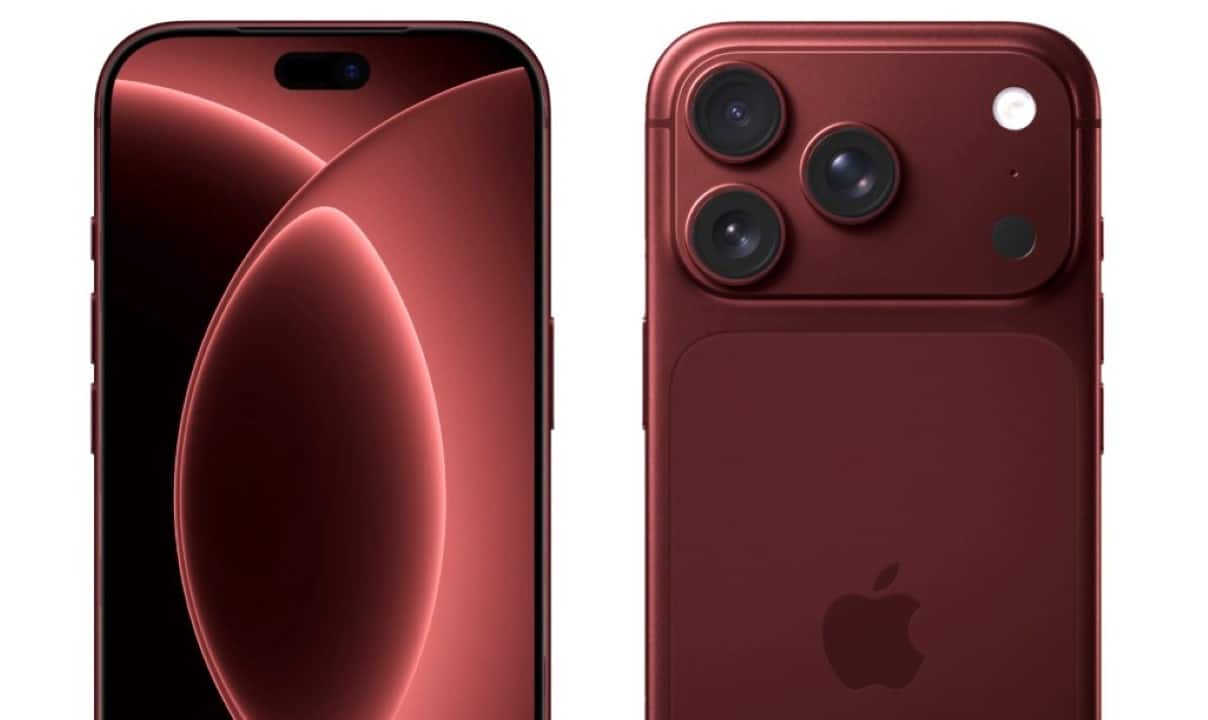
Apple plans the global launch of the iPhone 18 Pro for September 2026. The North American company’s new smartphone features a radical design change in its main structure. The device will feature a semi-transparent back panel and a battery with a capacity of more than 5000mAh. The company’s Engenheiros works on the complete restructuring of the internal components to make the project viable. Visual aesthetics gains unprecedented prominence on the technology giant’s assembly line.
The project requires rebuilding the motherboard and heat dissipation system. The exposure of internal parts forces the manufacturer to develop a refined finish for the wires and physical connectors. The definitive transition to the eSIM format in all global markets accompanies this structural transformation. Removing the physical chip tray frees up critical space for implementing new hardware technologies and larger batteries.
Internal Redesenho and thermal challenges of new translucent chassis
The adoption of a semi-transparent back imposes an aesthetic and functional reorganization of the device. The manufacturer uses a combination of reinforced glass and special resin on the back panel. The material receives a specific chemical treatment to prevent yellowing over years of use. The structure protects components against daily drops and scratches without compromising visibility. Users will be able to directly observe elements such as the wireless charging coil and the central processing module.
Thermal management represents one of the biggest technical hurdles of the new architecture. The Apple replaces conventional materials with solutions based on graphene and copper vapor chambers. Heat dissipation needs to be highly efficient and visually pleasing at the same time. The redesign of the cooling system ensures that the device maintains peak performance during heavy processing tasks. The dark texture of the new thermal materials contrasts with the metallic finish of the adjacent parts on the board.
More on this story: New iPhone 18 Pro features translucent chassis and record-breaking 5200 mAh battery
Assembly requires a high-precision manufacturing process at Ásia’s partner factories. Engineers review every detail of the internal layout to ensure the visual symmetry of the final product. The absence of traditional protective caps on the chips demands a higher level of quality control on the production line. Dust and water insulation receives structural reinforcements on the edges of the titanium chassis to protect exposed parts.
High-density Bateria and global chip tray removal
The iPhone 18 Pro incorporates a high-density battery that surpasses the 5000mAh mark. Assembly line-specific Modelos can achieve up to 5200mAh of total energy storage capacity. The significant increase results from the application of a new cellular chemistry based on a silicon-carbon anode. The technology allows you to store more energy without expanding the physical volume of the internal component. The advancement meets the growing demand for autonomy in devices aimed at complex operations.
The expansion of the internal space occurs after the complete elimination of the slot for physical SIM cards. The Apple ends production of variants with operator tray in all sales regions around the world. Full migration to the eSIM standard simplifies the smartphone’s mainboard architecture. The idle space now houses advanced communication modules and expands the area dedicated to passive battery cooling.
On the same topic: Rumors point to the arrival of Apple’s first foldable cell phone and the new look of the Pro line
The change requires continuous adaptation by telephone operators around the world to support digital activations. Prolonged media consumption and the execution of high-fidelity games depend directly on the device’s new energy matrix. The higher capacity battery compensates for the additional expense generated by brighter screens and complex photo sensors. The operating system intelligently manages power distribution to prevent overheating during fast charging.
Atualizações on OLED display and camera system innovations
The screen dimensions maintain the standard established in the previous generation of premium devices. The Pro model features a 6.3-inch high-resolution display. The Pro Max variant continues with the expansive 6.9-inch panel. The manufacturer reduces the thickness of the edges by around 35% in the new generation of OLED screens. Front space optimization maximizes the viewing area and reduces the overall size of the device in the user’s hands.
The photographic set receives significant mechanical upgrades for professional image capture. The main lens incorporates a variable aperture system new to the main line. The mechanism physically adjusts the light input according to the ambient lighting conditions. The technology substantially improves performance in night scenes and deepens background blur in studio portraits.
Image processing software works in conjunction with new photography hardware for accurate results. Optical zoom range is expanded through a completely redesigned periscopic lens system. Sensor-shift image stabilization compensates for shakes during ultra-high-resolution video recording. Color calibration and contrast undergo fine adjustments directly in the integrated image signal processor.
Learn more: Apple launches iPhone 17 Air with 5.5 mm and system that makes stolen parts unusable
Advanced Processamento and improved satellite communication
The new generation processor sets the smartphone’s operating rhythm and manages all operations. The chip manufactured using advanced lithography works together with 12GB of high-speed RAM. The architecture supports the direct execution of complex artificial intelligence tasks on the device itself. Dependency on external servers decreases considerably when using virtual assistants and heavy media editing.
Satellite communication receives longer-range antennas and new data transmission protocols. The system guides the user in the search for the best signal available in low Earth orbit. The graphical interface indicates the exact position of the equipment in space to facilitate the physical alignment of the device.
- Envio of packet data and short voice messages in remote areas without cellular coverage.
- Utilização of low-orbit satellite constellations to maintain a continuous and stable connection.
- Suporte improved for emergency calls outside the service area of traditional operators.
Mass production of key components begins in the second quarter of 2026 at partner facilities. Factories prepare assembly lines to assess the durability of the new glass back under mechanical stress. The initial manufacturing volume aims to ensure sufficient stocks for simultaneous launch in key global markets. The cost of developing new materials reflects the premium positioning of the product in the company’s catalog.
The launch sets a new industrial design standard for the global mobile technology market. Empresas competitors analyze structural changes to adapt their own production lines in the following months. The global adoption of eSIM forces the accelerated modernization of phone line activation systems in emerging countries. The device consolidates the integration between transparent aesthetics and precision engineering in the high-cost smartphone segment.