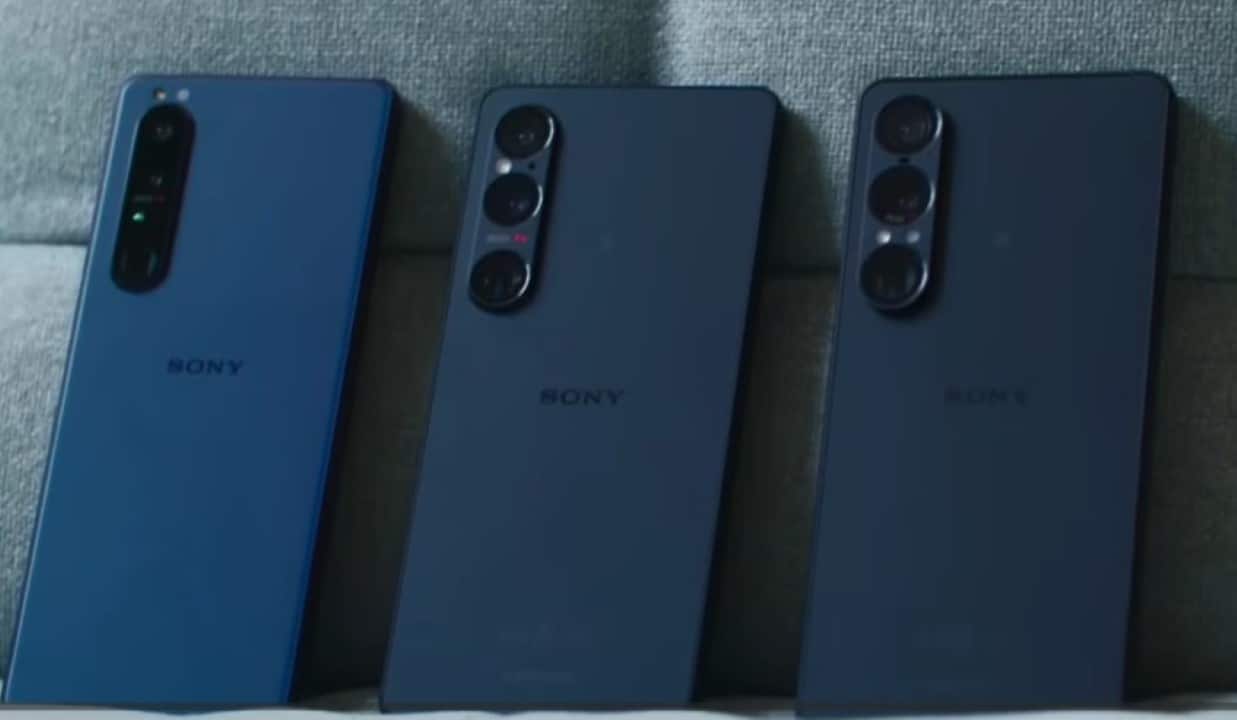
The global mobile device market follows a direct technical clash between two of the world’s leading technology manufacturers. The Sony Xperia 1 VIII and the Google Pixel 10 Pro XL represent completely different approaches to capturing images on cell phones. The Japanese manufacturer focuses its efforts on physically expanding the optical components and the size of the sensors. The North American company directs its investments towards improving algorithms and advanced computational processing.
Testes practical exercises carried out in outdoor environments demonstrate the behavior of each device under different lighting conditions. The choice between robust hardware and intelligent software defines the final result of the photographs. Sensores with larger dimensions guarantees the capture of a greater volume of photons at the moment of the click. The use of artificial intelligence applies instant color, contrast and exposure corrections right after the shutter is pressed.
Hardware and sensors define manufacturers’ strategies
The internal architecture of the Sony Xperia 1 VIII reveals the company’s focus on the raw quality of light capture. The device houses three sensors from the Exmor line with considerable dimensions by telephone industry standards. The main camera operates at 48 MP and a 1/1.35 inch sensor. The ultra-wide lens uses a 1/1.56-inch component. The telephoto module maintains very similar proportions, ensuring uniformity in light reception at different focal lengths.
The Google Pixel 10 Pro XL adopts a more restrained physical configuration, offset by lens aperture specifications. The photographic set features a 50 MP main camera, accompanied by 48 MP ultra-wide and telephoto lenses. The device’s main lens reaches an aperture of f/1.7, allowing faster light entry compared to the f/1.9 aperture found on the Sony model.
The physical advantage relationship is reversed in auxiliary lenses. The Japanese device’s ultra-wide camera has a significantly larger sensor than the 1/2.55-inch component used by the Google. Essa difference in capture area directly impacts the amount of digital noise generated in wide landscape photographs.
- Câmera main Sony: 48 MP, f/1.9 aperture, 1/1.35 inch sensor and 1.12 μm pixel.
- Câmera main Pixel: 50 MP, f/1.7 aperture, 1/1.3 inch sensor and 1.2 μm pixel.
- Ultra-wide angle Sony: 48 MP, f/2.0 aperture, 1/1.56 inch sensor and 1.0 μm pixel.
- Ultra-wide angle Pixel: 48 MP, f/1.7 aperture and 1/2.55 inch sensor.
- Telefoto Sony: 48 MP, f/2.8 aperture, 2.9x optical zoom and 1/1.56 inch sensor.
- Telefoto Pixel: 48 MP, f/2.8 aperture, 5.0x optical zoom and 1/2.55 inch sensor.
- Câmera front Sony: 12 MP with HDR support.
- Câmera front Pixel: 42 MP maximum resolution.
The optical zoom range establishes another clear division between competitors. The Sony model achieves an optical approximation of 2.9x. The Google device delivers superior range, reaching 5x approximation without loss of physical quality, using a more aggressive periscope system in its internal structure.
Desempenho under sunlight and image processing
Daytime photography with intense sunlight exposes the performance of each smartphone’s operating systems. The Google Pixel 10 Pro XL exhibits tight automatic control over the captured scene. Algorithms built into the Gemini system analyze the environment in fractions of a second to calibrate exposure and saturation. Deep shadow Áreas has its details recovered by the software automatically. The resulting colors follow the brand’s characteristic visual pattern, with vibrant tones and a high level of contrast.
The Sony Xperia 1 VIII delivers photographs that look closer to reality seen with the naked eye. The larger size of the sensors allows the device to record the raw details of the scene without the need for drastic software interventions. The natural contrast of the environment is preserved. Complex Texturas, such as fabric weaves, dense foliage, and reflective metal surfaces, maintain sharp definition that Google processing often softens when applying automatic filters.
The f/1.7 aperture of the Pixel’s main camera acts as a counterbalance to its smaller sensor size during the day. The background blur effect, known as bokeh, is more consistent around the edges of objects photographed by the North American device. The Japanese device generates a more organic optical blur, but demonstrates less precision in cutting depth in complex contours.
Nocturnal Captura and the impact of artificial intelligence
The absence of natural light transforms the behavior of the two devices. Durante At night, the physics of optical components takes on absolute prominence. The Sony Xperia 1 VIII can absorb a greater amount of real light in each pixel of its sensor. The direct result of this physical capability is the production of nighttime images with very low levels of grain and digital noise. The scene detail remains high even on streets with poor public lighting.
The Google Pixel 10 Pro XL braves the darkness by activating its artificial intelligence systems to maximum capacity. The device’s night mode applies severe computational processing to the captured image. The software works to reduce noise, inject artificial sharpness around the edges, and raise the overall brightness of the scene. The final photograph loses part of its naturalness, but gains in immediate legibility.
Letreiros luminous lights and distant road signs become perfectly legible in the images processed by the Google. The Sony device maintains the fidelity of the original night scene, preserving areas of real darkness, which results in a more faithful image, even if it presents grain in specific points. The physical advantage of the larger sensor guarantees the Japanese device superior results in night photographs taken without the aid of a tripod.
Lentes auxiliaries and commercial scenario in the current market
The performance of secondary cameras reinforces the design differences between brands. The ultra-wide lens of the Sony Xperia 1 VIII, equipped with a 1/1.56-inch sensor, delivers superior quality landscape photographs. The geometric distortion common at the edges of this type of lens is effectively controlled. The Google Pixel 10 Pro XL, limited by the 1/2.55-inch sensor in its wide camera, records images with softer edges and loss of detail at extreme angles.
The situation is reversed when using the telephoto lens. The Google’s 5x optical zoom surpasses the 2.9x zoom offered by the Sony. Quando users exceed the optical limit and activate digital zoom, the Pixel’s artificial intelligence acts to reconstruct lost pixels, preserving the image structure. The Xperia maintains the naturalness of the colors, but the image suffers from obvious pixelation when exceeding the 3x magnification mark.
The financial factor adds a layer of decision making for consumers. The Google Pixel 10 Pro XL currently registers a discount of US$250 on the Amazon platform for the version with 256 GB of internal storage. Essa reduction in retail value changes the cost-benefit ratio of the device on the international market. The device also has a 6.8-inch OLED screen and deep integration with the Gemini system tools.
The final decision between the two devices rests on the usage profile. Fotógrafos those looking for manual control, accurate colors and natural light capture will find the Sony hardware to be the right tool. Usuários that prioritize practicality, photos ready for social networks and long-range zoom have the Google processing as the most efficient option.