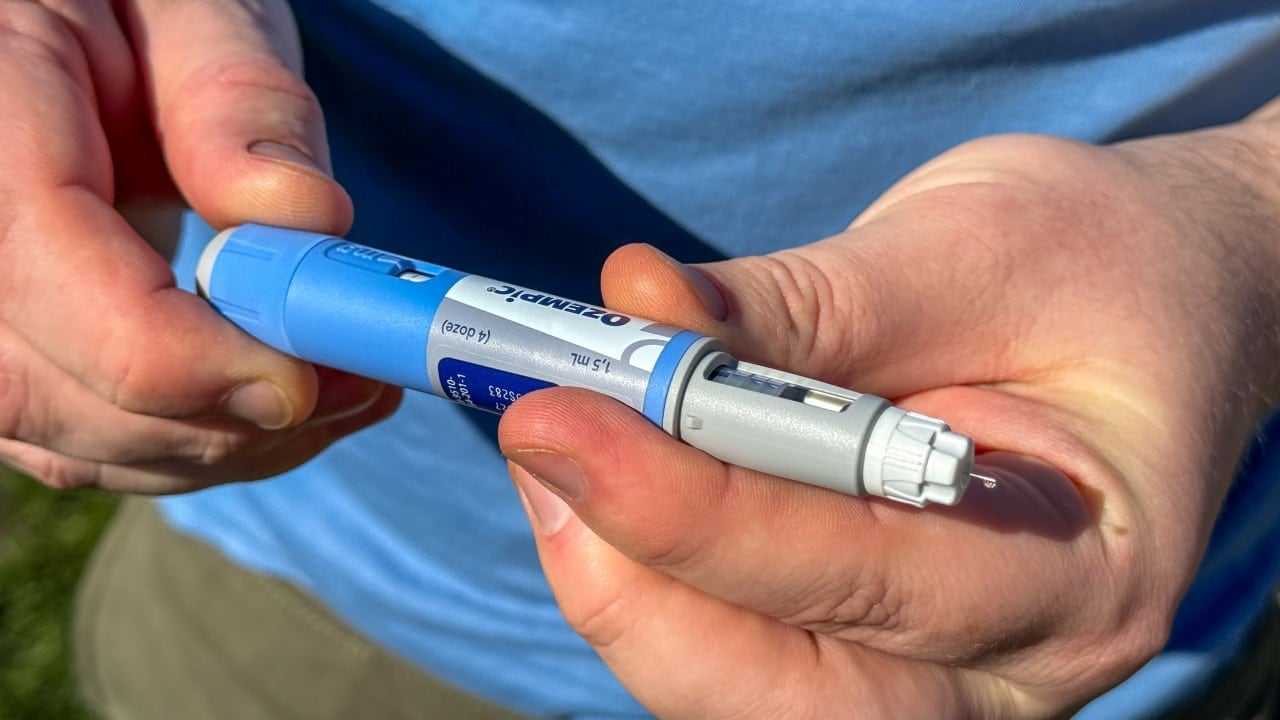
A surprise arose in the care of patients who use Ozempic. The medicine, known mainly for weight loss, leads some people to report a decrease not only in hunger, but also in other urges. Doctors observe reports of less desire for alcohol, cigarettes and even impulsive purchases.
Semaglutide, the active ingredient in Ozempic, acts on receptors in the intestine and brain. This mechanism helps control glucose and promotes satiety. Now, clinical observations indicate that it interferes with reward-related circuits.
Reports emerge during routine consultations
Patients arrive at the office with a noticeable change. Constant thinking about food loses power. A sweet kept in the drawer no longer attracts attention in the same way. A glass of wine at the end of the day is no longer an automatic routine. Others mention less urgency to smoke after meals.
These reports are repeated in different regions. Doctor Stephanie Rizk, cardiologist and intensive care physician, described the phenomenon in a column published in O Globo. She monitors cases in which the medication appears to lower the volume of an internal impulse radio.
The effect goes beyond the scale. People report fewer snacks without hunger and fewer openings of the refrigerator out of habit. Some cite a reduction in the desire to buy on impulse.
Medication acts on brain reward system
GLP-1, a hormone mimicked by semaglutide, appears naturally after meals. It regulates glucose, increases the feeling of satiety and delays gastric emptying. Receptors for this hormone also exist in brain areas linked to motivation and pleasure.
For decades, professionals treated hunger, alcohol, smoking, and binge eating as separate issues. Nutrition took care of food. Psychiatry, alcohol. Pulmonology, from cigarettes. The brain, however, does not follow medical divisions.
The reward system encourages behaviors that bring pleasure and repetition. When it works excessively, persistent urges arise. Semaglutide appears to modulate this network.
- Reduction in constant desire for specific foods
- Less attraction to alcoholic drinks at the end of the day
- Decreased urgency to smoke after meals
- Drop in impulsive purchases reported by some
- Fewer automatic refrigerator openings without real hunger
Studies observe potential against alcohol abuse
Recent research reinforces clinical reports. A randomized controlled trial tested semaglutide in adults with alcohol use disorder. The group that received the drug had a greater reduction in heavy drinking days compared to the placebo.
Another study monitored a reduction in craving for alcohol. Participants also consumed fewer grams of alcohol per week. The findings appear in publications such as JAMA Psychiatry.
In Brazil, local data is still limited. Experts highlight that the results are promising, but preliminary. There is no formal indication to treat compulsions or addictions with the medication.
Side effects and responsible use remain in focus
Semaglutide is not without risks. Gastrointestinal effects such as nausea and diarrhea are common, especially at the beginning of treatment. Loss of muscle mass is also a concern in cases of rapid weight loss without monitoring.
Doctors emphasize that the medicine does not replace healthy habits. It does not serve as a shortcut to self-control. Use must occur under prescription and with regular monitoring.
In the context of obesity and type 2 diabetes, the medicine has already changed the outlook. The new frontier involves greater understanding of how the gut, metabolism and behavior connect.
Changing Perspective on Drives and Biology
For years, compulsions have been associated primarily with flaws in character or willpower. Reports from Ozempic patients contribute to a different view. The impulse has clear biological components, linked to chemical signals and brain circuits.
This understanding paves the way for more integrated treatments. The focus is not on eliminating cravings, but on reducing the noise that amplifies them. Medicine advances by listening to these signals more accurately.
Patients continue to seek the medication for weight and blood glucose control. Extra reports about compulsions arise as additional observation in clinics. Ongoing studies seek to confirm and expand these findings.
