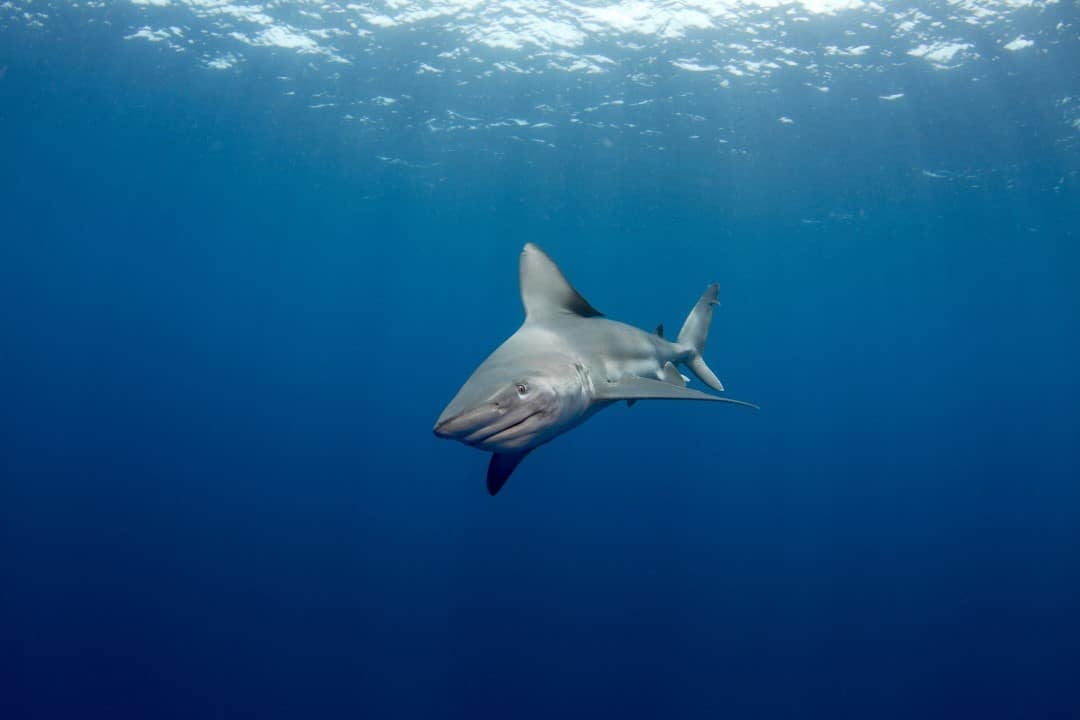
Tourists visiting Okinawa participate in a program that transforms recreational diving into contributions to marine conservation. The Padi Shark & Ray Conservation Specialty Course teaches certified divers how to collect data on sharks, rays and reefs. The initiative came about in the face of pressure on these declining species.
Padi launches course that combines leisure and research in Japanese waters
The program arrived in Ishigaki, in the southwest of the main island of Okinawa. There, divers like the participants in the first class record sightings during common dives. Each dive lasts around 45 minutes and requires photos or simple observations. The data goes into a free app called Padi Aware.
Students at James Cook University, in Australia, organize the information. Non-governmental organizations receive the compiled material to support protection policies. Samantha Pearson, Padi’s global public relations director, highlighted the choice of Japan for the launch because of the local importance of the species.
- Divers note the location, date, time and photographs of the animals.
- The app allows quick uploading after leaving the water.
- Information about dives without sightings also counts as useful data.
- The global census operates continuously and is open to new participants.
Combined threats put pressure on shark and ray populations
Targeted fishing for shark fins and manta ray gill plates reduces numbers. Bycatch in large nets used by Japanese fisheries exacerbates the problem. These animals function as indicators of the health of the marine ecosystem.
Warming oceans add stress to reefs. In Okinawa, coral bleaching events have already altered habitats. Divers see fewer sharks in previously frequent areas. The pressure comes from both human activity and climate change.
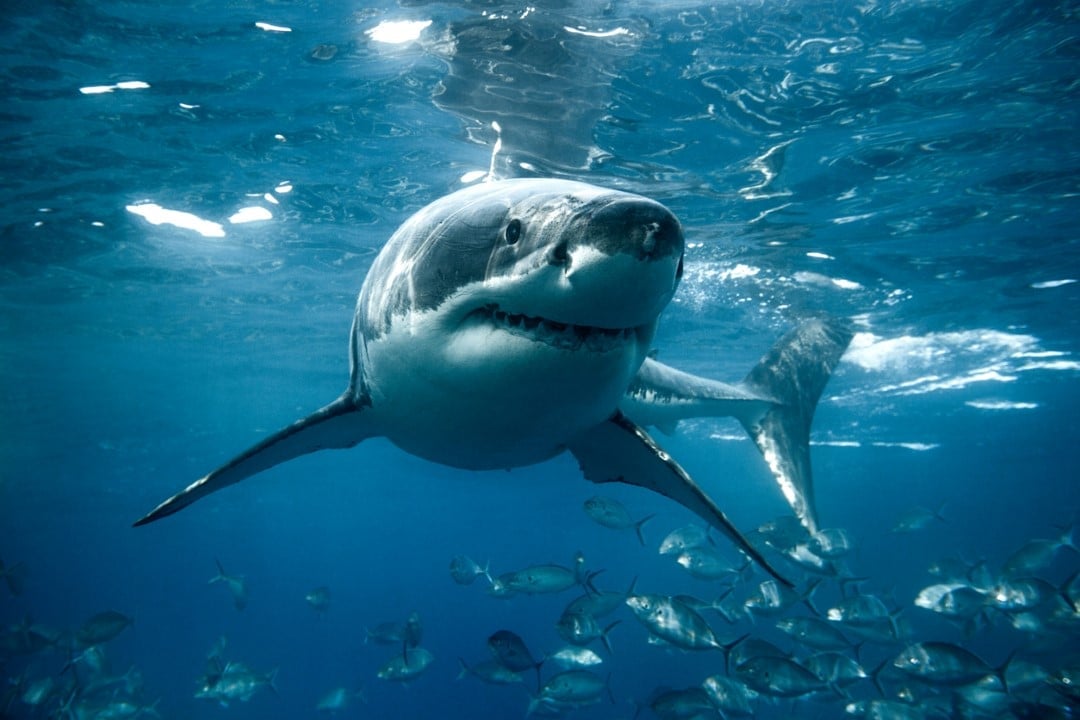
Ishigaki reefs become a laboratory for citizen science
Eurodivers ClubMed Kabira is close to a predictable manta ray aggregation point. The boat journey takes less than 10 minutes. Benjamin Lubrano, site manager, explains that the proximity facilitates practical data collection training.
Participants learn how to photograph the underside of manta rays. The stains function as unique fingerprints. Rika Ozaki of the Japan Manta Project provides guidance on ideal angles for identifying individuals over time. A string of three manta rays passed close to a group during a recent dive.
Okinawa coral shows signs of slow recovery
The village of Onna declared itself a “coral village” in 2018. The goal is to become the most reef-friendly community in the world. Divers and fishermen joined forces to replant surviving coral fragments.
In 2024, the absence of a typhoon left the waters warmer. Temperatures reached 34°C and caused large-scale bleaching. Reefs that were home to whitetip sharks have lost food and shelter. A local instructor reported that three years earlier, sightings were more common.
- Volunteers return several times a year to maintain the underwater structures.
- Signs with wishes written in Japanese mark the growth blocks.
- Blue staghorn corals reappear in damaged spots.
- The Anu Intercontinental Manza Bay resort serves as a base for eco-diving.
A small sighting represents progress for the database
During six dives, one participant recorded just one whitetip shark. The animal was resting under a ledge and ignored the diver’s presence. The information was sent by the app within minutes.
Even isolated observations help map patterns. Padi offers the course from £140 in various parts of Japan. The preparatory e-learning covers life cycle, threats and recording techniques. Certified divers gain tools to contribute to any future dives.
