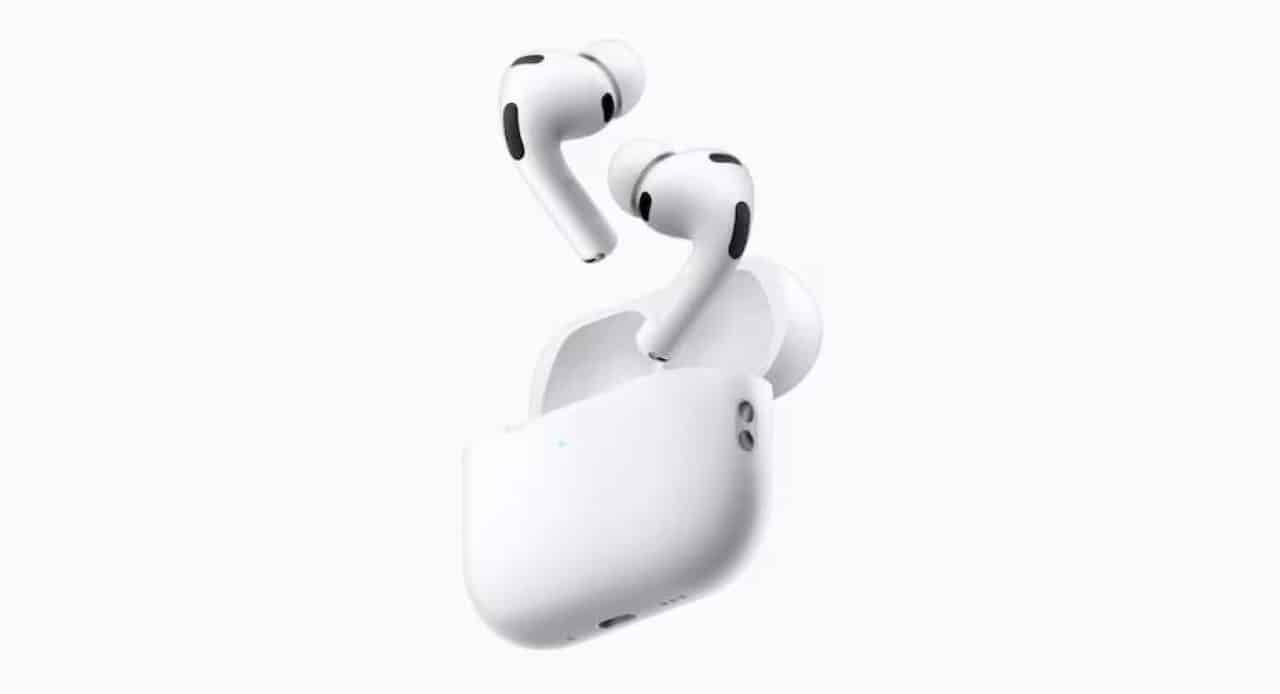
Apple revealed during WWDC 2026 that iOS 27 will bring a native, adjustable audio equalizer directly to AirPods. The new feature allows users to manually modify bass, medium and treble through the iPhone interface, resolving one of the oldest complaints from those who use the brand’s headphones.
The feature arrives as part of the update that should be released to the public in autumn 2026 (spring in Brazil). It works at a system level, which means the settings apply to any music, video, or streaming app — not just Apple Music, as was the case before.
How the new equalizer will work
When accessing the AirPods settings on the iPhone, the user will find an interactive graphical interface. A line overlaid on a frequency graph can be dragged to raise or lower specific bands. The waveform visualizer updates in real time as the song plays, immediately showing the effect of the change.
Unlike previous tools, which were limited or rigid, the new equalizer offers fine, centralized control.
What changed until iOS 26
Previously, those who wanted to adjust the sound of their AirPods basically depended on the Apple Music equalizer, whose settings did not propagate to other applications such as Spotify, YouTube or Tidal. Another option was accessibility features, aimed at hearing impairments, but with inflexible adjustments and no dynamic visualization.
This created frustration: anyone who customized their profile on an app lost everything when they switched platforms. iOS 27 corrects this point by handling audio in the operating system itself.
Compatible models and limitations
The feature will be available for AirPods Max 2, AirPods Pro 3 and AirPods 4, all equipped with Apple’s H2 audio chip. Older models will likely not receive full support.
There are still no official details on how many exact bands the equalizer will have in addition to bass, mids and treble, nor whether recommended presets or reset options will be included.
Why the ad matters to the user
This is one of the most repeated demands from the AirPods community since the launch of the first models. With the change, the audio experience is closer to that offered by headphones from competing brands, which for years have allowed fine equalization via dedicated apps. For those who listen to music daily, the gain is practical: more personalized sound without relying on improvised solutions.
Apple also took advantage of the WWDC stage to reinforce the ecosystem, integrating the feature natively instead of leaving it to third-party applications.
