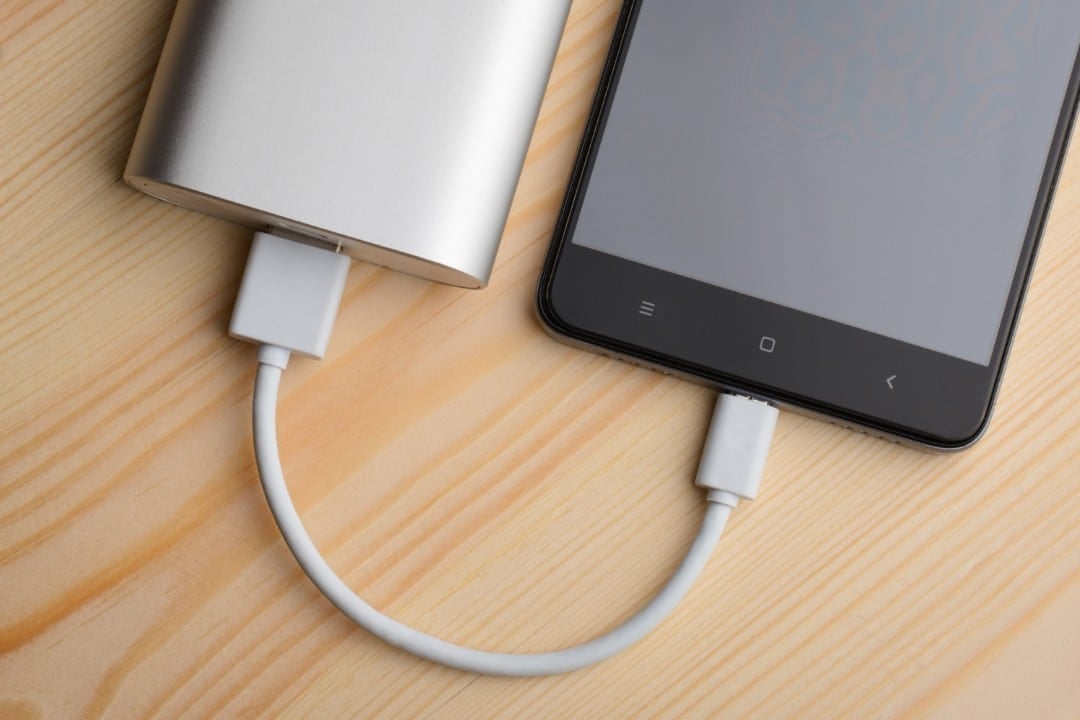
Dependence on mobile devices reached a new level with the consolidation of 5G networks and the processing of artificial intelligence directly on devices. These technological advances require much more energy, meaning that original smartphone batteries rarely support a full day of intense use. Having a portable charger in your bag or backpack is no longer a precaution for long trips and has become a daily necessity for workers, students and content producers.
Choosing the right equipment requires understanding two fundamental metrics that often confuse consumers. The capacity, measured in milliampere-hours (mAh), defines how many full charges the accessory can transfer to the cell phone before needing an outlet. Power, expressed in watts (W), determines the speed at which this energy transfer occurs, a crucial factor for those who have few minutes available to revive a discharged device.
Models focused on cost-benefit and daily use
For consumers looking for high capacity without a large financial investment, the market offers robust alternatives. The Basike B-078E delivers 20,000 mAh of storage and achieves outputs of up to 22.5 W through its USB-A port. The big attraction of this model, found for prices close to R$75, is the presence of Lightning and USB-C cables built into the structure itself. This feature eliminates the need to carry loose wires, while an LED panel tells you the exact percentage of power remaining.
Despite being approved by Anatel and released for use in aircraft cabins, the Basike B-078E weighs 280 grams, which creates discomfort in very small bags. The recharging time of the accessory itself also requires patience, being limited to inputs of 18 W. On the other hand, the internal system has blocks against short circuits and overheating, guaranteeing the safety of the smartphone during the three to five full recharges that it can provide.
Those who prioritize extreme portability will find the i2GO I2GBAT011 a more suitable solution. At just 15 millimeters thick and 222 grams, the 10,000 mAh device fits easily in a pants pocket. It costs around R$79 and allows you to plug in up to three devices simultaneously, using Smart Charge technology to distribute the current intelligently. The pass through feature is another differentiator, allowing the user to charge the power bank from the socket while it transfers energy to the cell phone.
Intermediaries with fast loading and versatility
Going up a notch in the performance category, the Geonav brand offers the PB20K20WSG, a 20,000 mAh device focused on fast charging protocols. For approximately R$152, the consumer gets a device capable of delivering 20 W via Power Delivery on the USB-C port and 18 W via Quick Charge on the USB-A outputs. The manufacturer uses a Grade A+ lithium polymer battery, designed to support around 300 complete life cycles with high energy efficiency.
The Geonav model weighs 312 grams and requires around seven hours plugged in to recover its full charge. Buyer reviews indicate a real yield of four to six recharges on modern smartphones. Some units, however, presented failures in the LED display and isolated reports of housing swelling after a year of continuous use, requiring user attention regarding storage in very hot locations.
For users of the Apple ecosystem, the Basike BA-POW205 appears as a wireless option for around R$164. The 10,000 mAh device has a magnetic attachment compatible with MagSafe technology, present in iPhones from generation 12 onwards. It transfers up to 15 W by induction and has an integrated USB-C cable that reaches 22.5 W. The weight of 218 grams makes it easier to handle the cell phone while the battery is running. attached to the back, although the strength of the magnet varies greatly depending on the thickness of the protective cover used on the smartphone.
High-capacity batteries for multiple devices
Professionals who work outside the office often need to keep notebooks, tablets and cell phones running at the same time. The Hrebos PB-958 meets this demand with a 30,000 mAh energy tank and maximum power of 65 W. Sold at R$242, it has enough power to power portable computers and video game consoles, such as the Steam Deck. The front panel displays charging data, and the system manages two USB-C inputs and two outputs.
The counterpart to so much autonomy is the physical volume of the equipment. The heavy weight makes it unfeasible to carry it in your pocket, restricting its use to backpacks. Furthermore, to recharge the 30,000 mAh in an acceptable time, the user needs to purchase a high-power plug source separately, as the product does not come with cables or wall chargers in the box.
Anker, a global reference in the segment, offers the A1383 model with 20,000 mAh and an impressive 87 W of combined power. Costing around R$398, it can take a MacBook Air’s battery to 52% in just half an hour. The built-in USB-C cable is structurally reinforced to withstand more than 10,000 bends. A technical detail requires the attention of frequent travelers: the housing does not have the capacity printed visibly. As aviation agencies require clear identification of milliampere-hours to prevent fire risks, the absence of this stamp can cause equipment retention in airport x-ray inspections.
The premium segment with advanced magnetic technology
At the top of the portable charger chain, the Anker A1664 represents the latest in design and thermal efficiency. The accessory starts at R$422 and delivers 10,000 mAh in a body just 14.8 millimeters thick. It has the new Qi2 certification, ensuring perfect magnetic alignment and 15 W wireless transfer, in addition to a USB-C port that reaches 30 W. The internal ActiveShield system monitors the temperature of the set millions of times a day, cutting the current if the device exceeds 40 °C.
The construction uses soft-touch materials that won’t scratch the back of premium smartphones. Despite the manufacturer’s strict thermal control, the physical process of induction charging inevitably generates heat, which still causes complaints from users accustomed only to charging via cable. To ensure a safe and appropriate purchase for the usage profile, the consumer must evaluate some criteria before placing the order.
- Check port compatibility: make sure the power bank has USB-C outputs or integrated cables that fit your current device.
- Calculate the daily weight: batteries above 20,000 mAh generally exceed 300 grams, which makes a difference in shoulder bags.
- Confirm the input power: a high-capacity charger needs ports that accept at least 18 W, otherwise it will spend the whole night in the socket and not reach 100%.
- Require certifications: seals from Anatel, CE or FCC guarantee that lithium cells have undergone stress tests and will not explode during use.
The portable power market has evolved to cover everything from quick emergencies to mobile workstation maintenance. Choosing the ideal equipment involves balancing the available budget with the real need for autonomy, avoiding carrying excessive weight without purpose or being held hostage by sockets at critical moments of the day.
