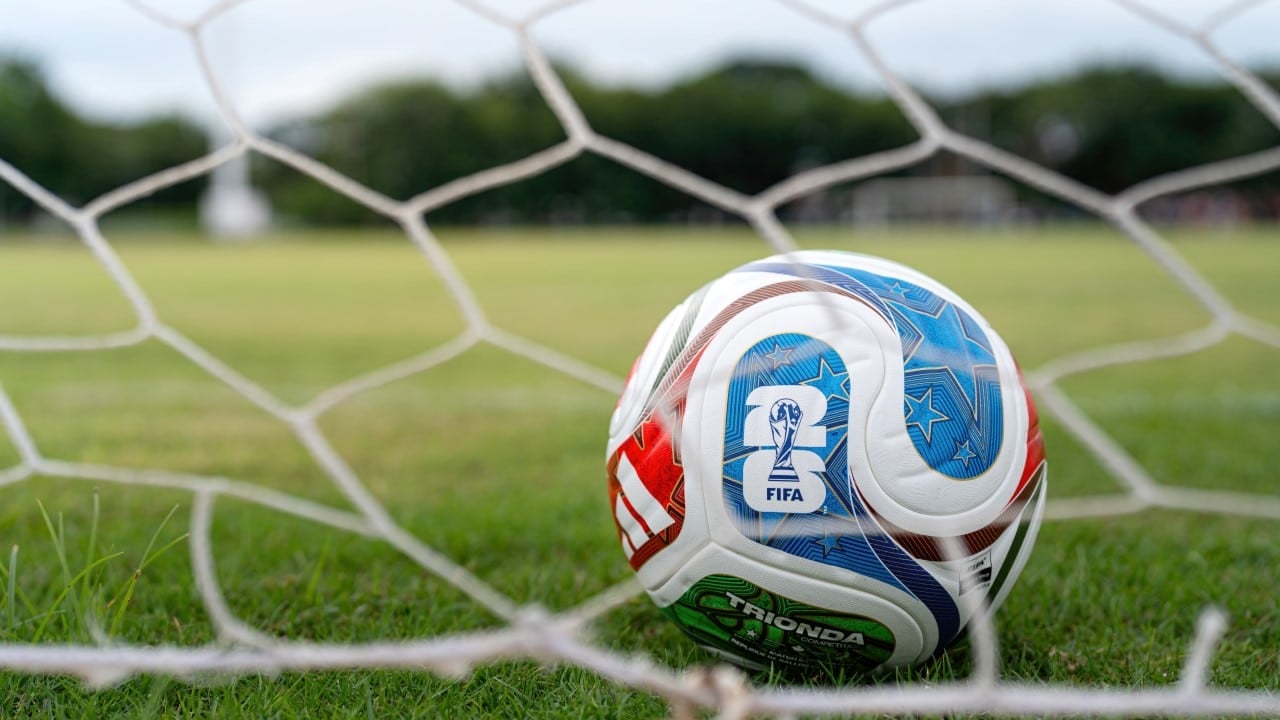
The International Football Association Board (IFAB), the entity responsible for formulating the sport’s rules for more than 140 years, announced significant changes to the sport’s rules. These changes will come into effect from the next edition of this year’s World Cup.
The set of measures endorsed by the entity’s members at the annual meeting, held on February 28 in Wales, represents the most profound intervention in sport since the implementation of VAR. Practically all the new guidelines target the same chronic problem in matches: anti-gambling and wasted time.
Fight the wax and speed up the game
Throughout the last World Cup, matches lasted an average of 100 minutes, taking into account the stoppages added by referees. Of this total period, around 42 minutes were wasted with the ball out of play, which corresponds to almost half of a full regulation time of the activity.
Five seconds to charge the side
Whenever the referee notices that the throw-in is being intentionally delayed, she will intervene by blowing the whistle and visually signaling a five-second countdown with her fingers.
In the event that the stipulated timer ends without the athlete making the throw, the team loses the right to play, and the charge is reversed in favor of the opposing team.
Five seconds to take the goal kick
In an identical manner to the previous procedure, when the judge finds that the goalkeeper or defender is delaying the throw-in because he wants to, he must blow the whistle and start the five-second countdown by raising his fingers.
In this specific situation, the stipulated penalty is even more severe. The penalty for time retention results in a corner kick being awarded to the opponent, creating an immediate opportunity for danger in the defensive area.
Ten seconds to leave the field during substitution
The athlete chosen to leave the field will have a maximum limit of 10 seconds to cross the demarcation lines immediately after the fourth referee’s signal displays the change. The only caveat occurs if the professional is injured and visibly unable to walk.
If the deadline is not met by the departing athlete, the substitute will be forced to wait a period of one minute to receive authorization to enter, forcing the penalized club to play with ten players during this interval.
One minute off the field in case of medical assistance
In the previous regulatory model, professionals who needed medical care on the sideline only needed the green light from the main referee to return to the pitch. With the change, there will be an obligation to wait at least sixty seconds before returning, temporarily missing the team.
Far from decisions focused strictly on increasing the useful playing time on the pitches of the international tournament, video technology will have its interference radius extended to adjust for referee mistakes in specific markings and warnings.
expanded VAR
Previously, the technological tool’s guidelines limited support to just four specific scenarios: validating goals, checking maximum penalties, applying direct red cards and corrections in cases of homonymy or mistaken identity.
From the world tournament onwards, the video booth gains responsibilities to intervene in two new operational scenarios:
- When the field judge mistakenly signals a goal kick instead of a corner, or vice versa.
- When the mediator erroneously applies a second yellow card that results in the player being unduly excluded.
As these are moves with purely factual and objective criteria, video operators can alert the field team directly via the audio system, eliminating the need for the referee to travel to the monitor installed at the edge of the field to re-evaluate the play.
The regulatory changes were put to the test in last week’s friendly matches and are mandatory for all World Cup matches. Furthermore, national leagues around the globe must adopt the new criteria in most competitions from July onwards. If the results are positive, the expectation is for greater dynamics and fluidity in the dynamics of the games.
