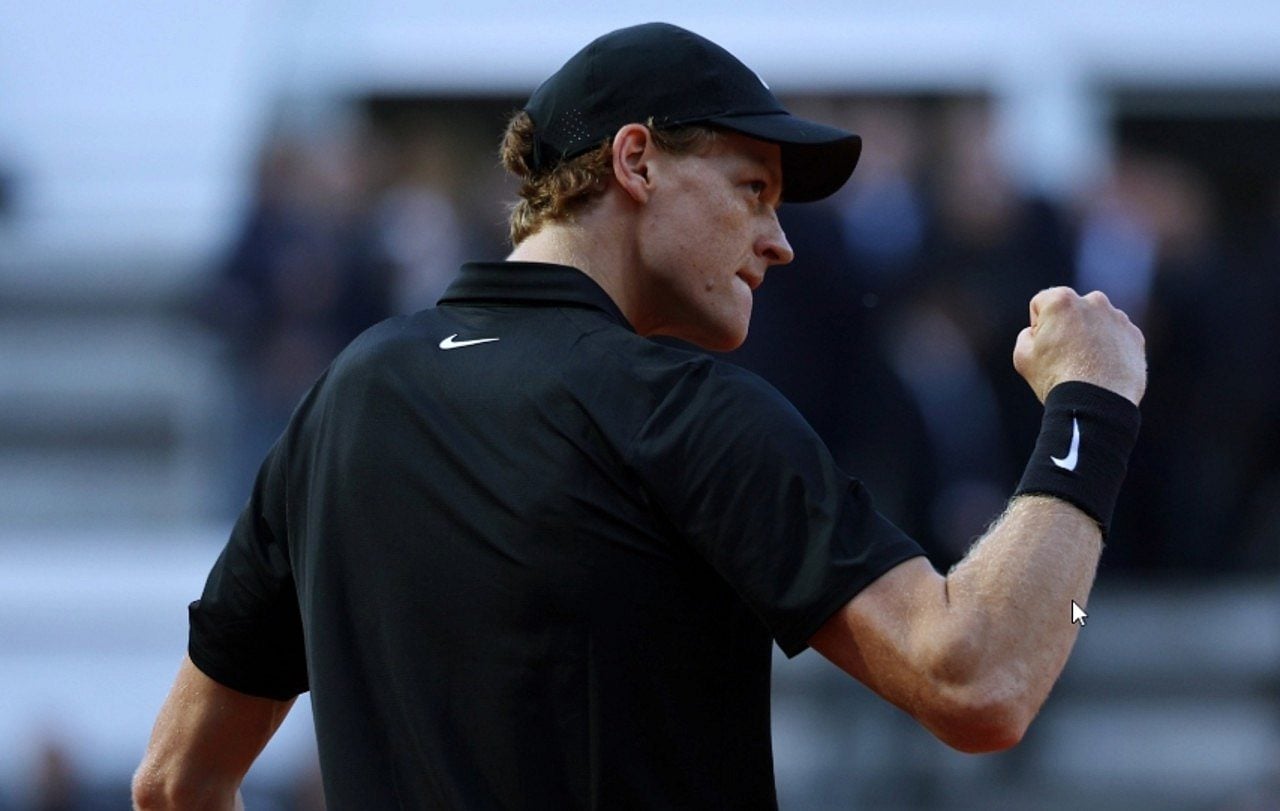
The leader of the tennis world rankings, Jannik Sinner, underwent a series of medical tests this Tuesday to determine the reasons for the severe physical exhaustion he felt during the Roland Garros tournament. The athlete from Italy dedicated the morning and afternoon to undergoing detailed assessments at the San Raffaele Hospital, located in the city of Milan, in his home country.
The medical diagnostic procedures were carried out with the aim of mapping the triggers for the malaise that affected the tennis player’s performance in the decisive clash against Argentine Juan Manuel Cerúndolo. According to findings from the local sports press, the competitor’s general clinical outlook is positive, and the expectation is that he will resume court activities this Wednesday.
Medical reports indicate that the evaluation plan involved laboratory blood analysis, routine clinical examinations and tests targeting the cardiovascular system. Despite the initial release schedule, it remains undefined whether the professional will need to attend the medical center again for additional exams before receiving definitive approval to restart physical preparation.
Jannik Sinner suffered physical blackout at Roland Garros
The Italian tennis player ended up saying goodbye to the competition after suffering a 3 sets to 2 upset against his opponent Juan Manuel Cerúndolo, who guaranteed a place in the next phase of the Paris Grand Slam. The setback ended an impressive record of 30 consecutive victories for the main favorite in the group, transforming the result into one of the most surprising moments in the recent history of French clay courts.
The top of the ATP rankings had a wide advantage in the match and seemed close to confirming their favoritism by winning the initial splits by 6/3 and 6/2, in addition to sustaining a favorable score of 5/1 in the third period. However, the competitor began to show visible symptoms of a drop in blood pressure and malaise, which drastically reduced his intensity on the court and allowed his opponent to react.
The tennis player himself reported that, despite presenting a solid performance until halfway through the third set, he began to notice a marked loss of his physical strength. He explained that he tried to resist the adverse moment on the court, but began to live with a strong feeling of dizziness and that, when it came to serving to end the match, he no longer had ideal energy conditions.
