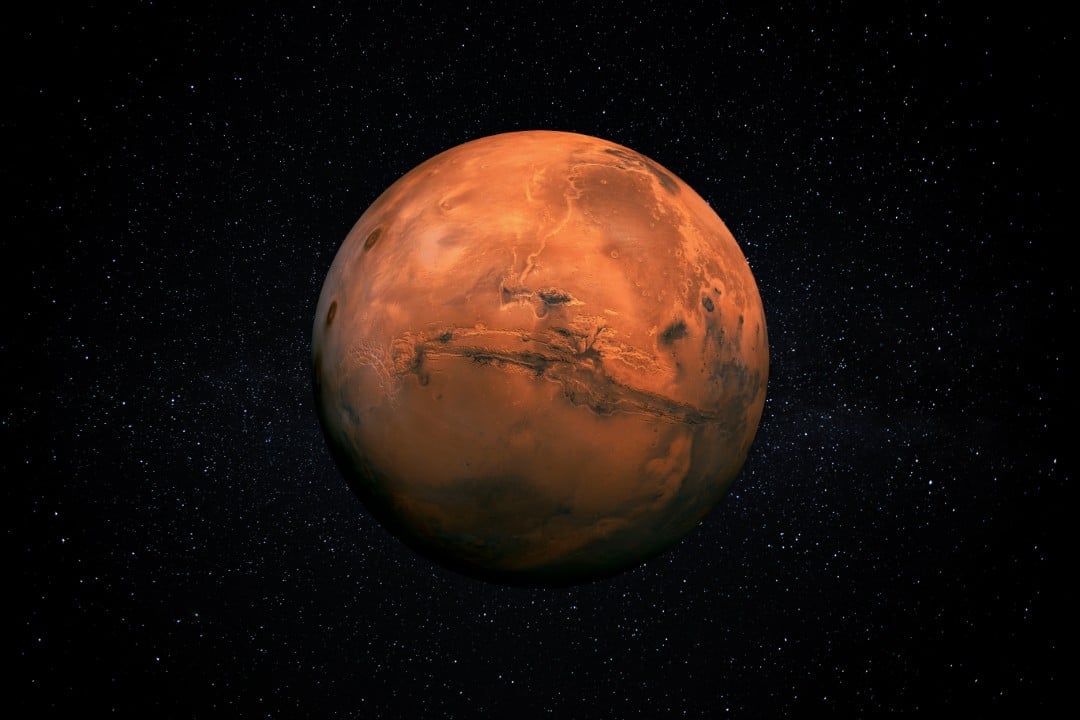
NASA has officially ended the Maven mission. The North American space agency made the decision last Wednesday after months of no communication with the probe. The orbiter arrived at Mars in 2014 and operated for 11 years, ten times longer than initially planned.
Maven lost signal with Earth on December 6, 2025. The probe passed behind Mars in relation to Earth and no longer responded to commands. Crews tried to reestablish the connection for months, but a power and rotation failure put the vehicle into irreversible safe mode.
Technical failure caused probe to spin out of control
The problem arose suddenly. Maven went into safe mode and started spinning at a high rate. This consumed the batteries quickly and prevented it from maintaining the correct orientation for communication.
NASA engineers confirmed that the orbiter is no longer responding. A review committee concluded that recovery is impossible. The formal deactivation process has begun, with complete archiving of collected data.
- The probe operated normally before passing behind Mars in December 2025.
- The signal did not return after the red planet’s reemergence.
- Contact attempts lasted almost six months.
- Safe mode has exhausted energy resources.
- Closing decision came after definitive technical analysis.
Maven data transformed knowledge about the Martian atmosphere
The mission was dedicated to studying Mars’ upper atmosphere and its evolution over time. Scientists wanted to understand how the planet lost much of its original atmosphere. The instruments measured gas escape into space influenced by the Sun and solar storms.
Over the years, Maven has recorded auroras on Mars of types never before observed in detail. She also mapped winds in the upper atmosphere and tracked the impact of solar activity. These records helped reconstruct the planet’s climate past, which once had potentially habitable conditions.
The probe also acted as a communication bridge. It relayed data from the Perseverance and Curiosity rovers to Earth at various times. This role expanded the operational capacity of missions on the Martian surface.
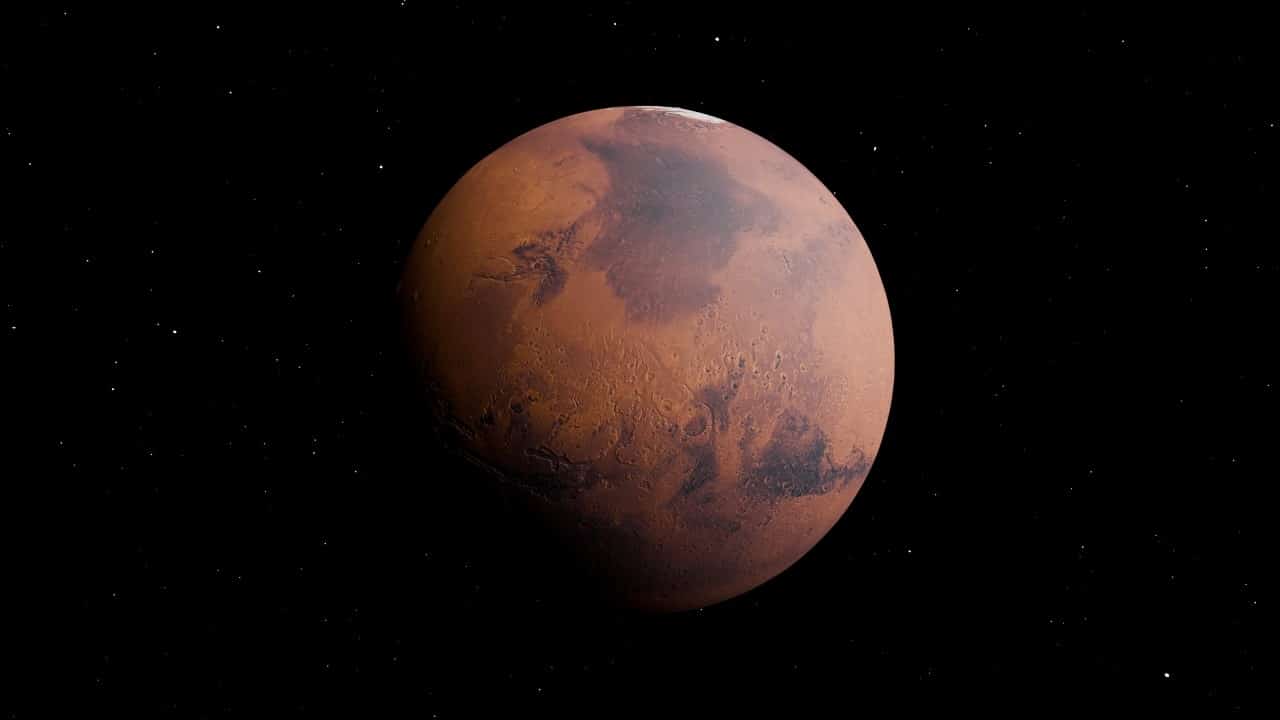
Legacy includes more than 800 scientific publications
Researchers have produced hundreds of articles based on the observations. The set of information became a reference for studies on atmospheric loss on planets. Future manned missions to Mars will use this data to plan radiation protection and better understand the environment.
Maven exceeded expectations from the beginning. Launched in 2013, it fulfilled its primary objective of one year and continued collecting information for another decade. The extended performance allowed it to track complete solar cycles and rare events, such as the passage of an interstellar comet.
Deactivation process preserves complete archive for the scientific community
NASA has initiated standard shutdown procedures. All raw and processed data will be organized and made publicly available. This ensures that scientists around the world can continue analyzing the material for years to come.
The end of the operation marks the end of an important phase in the exploration of Mars. Other missions already underway and those in planning will build on what Maven revealed.
The space agency remains focused on new initiatives for the red planet. The knowledge accumulated by the probe will guide decisions about where to land future vehicles and how to protect astronauts on long-duration trips.
Mission details reinforce the importance of redundancies in space exploration
The Maven experience highlighted technical challenges of prolonged operations in Martian orbit. Immense distances complicate real-time diagnoses and corrections. Failures like the one in December show the need for more robust systems in long-term projects.
Even with the outcome, the probe’s contribution remains remarkable. She left a rich collection of processes that shaped Mars over billions of years. This material will influence planetary science for a long time.
NASA continues to monitor other assets on Mars. The focus now turns to maximizing the return on ongoing missions and preparing for the next steps in human exploration of the solar system.
