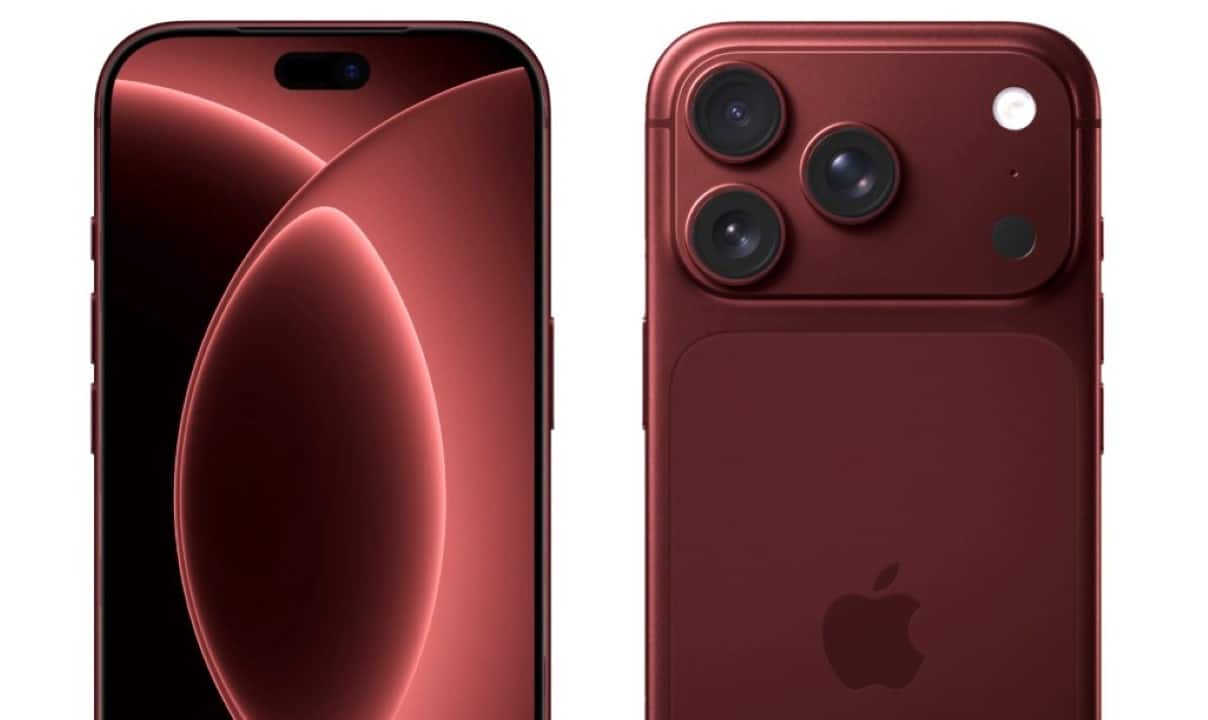
The global mobile device industry projects that Apple will introduce an unprecedented generation of high-performance smartphones in September 2026. The hardware design reveals a profound structural change: the adoption of a completely translucent back panel and a battery that surpasses the 5000 mAh mark. Components such as the motherboard, connectors and cooling system have been redesigned to be visible to users. This aesthetic requires the application of the highest quality materials to guarantee protection against static electricity, dirt accumulation and daily physical impacts.
Technology market analysts predict that these physical changes will directly impact the device’s data processing needs. The change is driven by a complex algorithm that will run natively on the device itself, requiring seamless integration between the new design and software.
The manufacturer’s engineering team focuses its efforts on three fundamental pillars to make this hardware update viable:
- Adoption of reinforced glass materials to support the new aesthetic proposal.
- Drastic expansion of energy autonomy to support new processing demands.
- Permanent removal of old connectors to optimize internal chassis space.
Engineering behind the translucent panel and visual changes
The implementation of a transparent back represents an unprecedented challenge for assembly lines, requiring new logistics and manufacturing protocols. The need to avoid dust and fingerprints, combined with the processing of the titanium panel, makes aesthetic precision an absolute priority. With this approach, internal parts are no longer just functional and take on the role of main elements of the product design.
To guarantee the durability of the device, the reinforced glass supplier created a specific chemical compound that prevents the material from yellowing over time, in addition to offering superior resistance against scratches and drops. This translucent structure brings an additional benefit for technical assistance: support centers will be able to perform visual inspections of internal damage without opening the cell phone, significantly speeding up maintenance processes.
The new rear panel architecture is directly linked to a completely redesigned cooling system. As the components will be exposed, the traditional graphite plates and copper vapor chambers needed to be replaced. The company adopted an unprecedented heat dissipation method that uses the processors themselves to manage temperature in an efficient and visually clean way.
Screen optimization and reduction of front contacts
The dimensions of the displays remain identical to those of the previous generation, maintaining 6.3 inches for the Pro version and 6.9 inches for the Pro Max model. The big new feature at the front is the drastic reduction of the upper cutout that houses the facial recognition sensors and the selfie camera, which considerably expands the screen’s useful viewing area.
The biometric authentication system was relocated below the OLED panel, reducing the space occupied by the sensor module by around 35%. This evolution in display technology provides a more immersive navigation experience and frees up space for system status icons. Application developers will need to adjust their software interfaces to take advantage of this new screen aspect ratio.
Energy capacity and transition to virtual connectivity
The battery capacity breaks the 5000 mAh barrier and can reach 5200 mAh in specific configurations, which marks the biggest volumetric leap in the history of the brand’s cell phone line. This significant increase was designed to supply the massive energy consumption generated by the new communication modem and the neural processing unit. With this specification, Apple finally equates the raw capacity of its devices to the main competitors in the Android ecosystem, such as the Galaxy S Ultra line, combining larger batteries with its traditional system optimization.
To accommodate this giant power cell without increasing the thickness of the chassis, the manufacturer made the decision to completely eliminate the physical tray for SIM chips in all global markets. Full migration to eSIM technology frees up essential cubic millimeters on the printed circuit board. This measure expands to the entire world a strategy that the company had already implemented exclusively in the United States since the launch of the iPhone 14.
Removing physical enclosures reduces points of vulnerability against water and dust ingress, increasing device durability ratings. Telecommunications operators around the world are accelerating the implementation of digital enablement infrastructures to support the demand that will arise from this paradigm shift in the telephone market.
Hardware tests with the new high-density battery indicate a significant extension of usage time between recharges. This improvement solves the problem of accelerated battery life degradation, a flaw that affected models from previous years when subjected to intense usage routines.
Advanced memory and processing architecture
The heart of the device is a new generation processor manufactured using an extremely precise lithography process, delivering computing power similar to that of portable notebooks, but with maximum energy efficiency. The chip features a giant leap in random access memory, reaching 12 GB. This capability is vital for fluid execution of local language models and real-time image processing.
The unified memory architecture allows the system to dynamically distribute resources between the central processing unit and the graphics processor, eliminating bottlenecks when recording ultra-high-resolution videos or rendering complex 3D environments. Improved thermal management prevents performance drops during prolonged sessions, keeping clock frequencies high without overheating the device.
Innovations in the camera system and variable aperture
The rear photographic assembly incorporates a variable aperture mechanism in the main lens, a work of mechanical precision that physically adjusts the amount of light that reaches the image sensor. This feature gives users fine control over depth of field and substantially improves the quality of photos taken in low-light environments.
The large telephoto lens receives an independent upgrade, expanding the optical zoom range without any loss of image quality. Stabilization software works in conjunction with optical correction algorithms to ensure sharp, accurate captures, even when the user is in motion.
Expansion of network infrastructure and satellite communication
In addition to improving standard communication modules, the device’s connectivity infrastructure goes beyond terrestrial cellular networks. The new hardware supports the sending of heavy data packets, allowing users to make short voice calls and send multimedia messages in remote areas without coverage, using constellations of low Earth orbit satellites.
Market strategy and global production schedule
Supply chains in Asia have already begun calibrating their machinery to meet the stringent requirements of new glass panels and redesigned motherboards. Mass production of key components is scheduled for the second quarter, ensuring sufficient inventory volume to enable simultaneous sales in the world’s largest markets.
The introduction of this model aims to consolidate the brand’s leadership in the ultra-premium device segment, attracting consumers looking for hardware capable of supporting the software innovations expected for the next decade. The final price of the product will reflect the high costs of the new materials and the heavy research and development investments required to engineer the transparent chassis.
