
The Cupertino giant plans to introduce four new variants of its portable computers throughout 2026. The portfolio will range from a machine aimed at students to very high-performance equipment equipped with the latest generation processors. The manufacturer’s strategy involves a staggered launch schedule, starting in the first months of the year.
The updated catalog will include a reduced-price entry-level device, versions of the Air and Pro powered by M5 silicon, as well as a high-end edition that will feature a touchscreen with OLED technology. This diversification seeks to capture a broader consumer base, meeting both the basic needs of students and the complex demands of professionals in the creative sector.
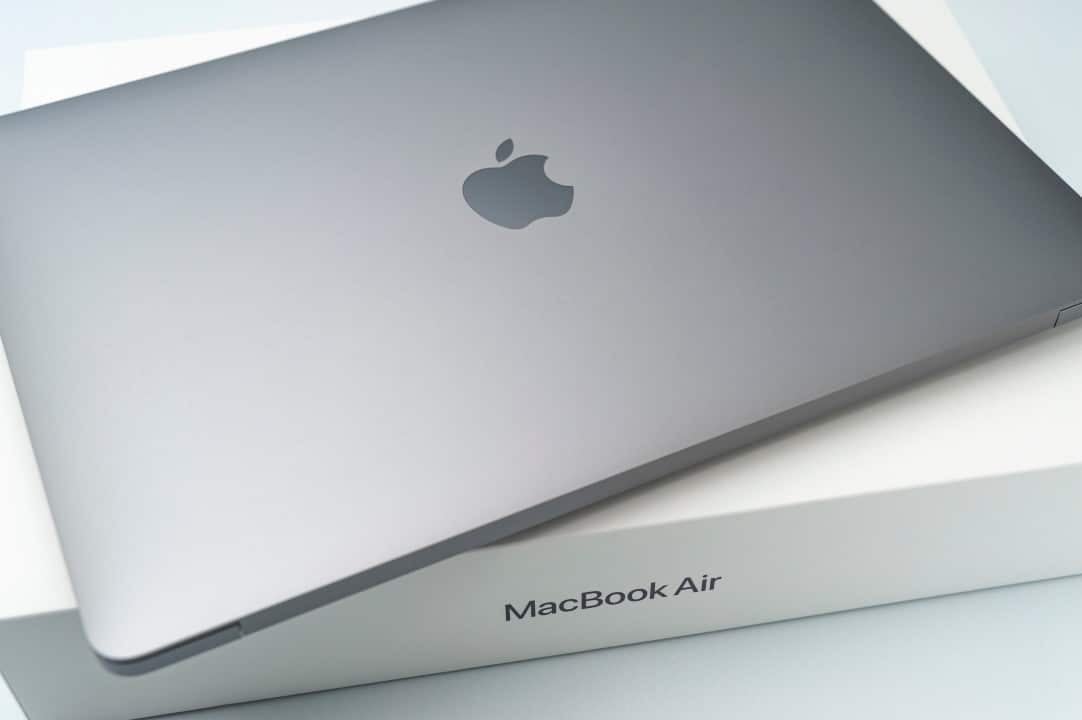
Although the company maintains its traditional policy of absolute secrecy regarding future projects, detailed technical information is already circulating among Asian suppliers. The move indicates an aggressive expansion of the notebook line, with a focus on improving energy efficiency, increasing processing capacity and introducing display panels superior to current ones.
Entry-level notebook focused on the educational market
To compete directly with Chromebooks and basic Windows computers, the manufacturer is developing a more affordable machine. This equipment will use the A18 Pro processor, the same component that powers the current generation of the iPhone 16 Pro, marking an unprecedented transition from mobile chips to the brand’s computer line, delivering enough power for internet browsing and text editing.
| モデル | メインチップ | 画面 | 推定開始価格 (米ドル) | 主な対象者 |
|---|---|---|---|---|
| 低価格MacBook | A18プロ | 13インチ液晶 | 699-899 | 学生と基本的な使い方 |
| MacBook Air | M5 | 13 インチまたは 15 インチ Retina | 999 | プレミアムモバイルユーザー |
| 標準MacBook Pro | M5 プロ/マックス | 14 インチまたは 16 インチのミニ LED | 1999-3499 | 中級者向け |
| MacBook Pro OLED | M6(予定) | 14ンチまたは 16インチのタッチ OLED | 非開示 | 一流のクリエイター |
The hardware will feature a 13-inch LCD display and an ultra-thin chassis that prioritizes ease of daily transport. To keep production costs low, the architecture will ditch Thunderbolt ports in favor of standard USB-C connections, with an estimated starting price for the North American market ranging between US$599 and US$699.
The visual appeal will be enhanced by a diverse color palette, including shades of silver, blue, pink and yellow, aiming to attract a young audience. This model is expected to hit shelves in the first half of 2026, offering a robust alternative for basic education institutions and large-scale corporate purchases.
Updates awaited for the professional line with M5 silicon
The family of computers aimed at advanced users will receive an update in early 2026, integrating the M5 Pro and M5 Max processors. TSMC will be responsible for manufacturing these components, using the third generation of the 3-nanometer lithography process, which guarantees a significant leap in both execution speed and battery savings.
The 14-inch and 16-inch variants will maintain the current generation’s visual identity, but will bring internal improvements such as faster solid-state storage and expanded memory bandwidth. Deep aesthetic changes to the chassis are not planned for this cycle, being reserved only for the future transition to the M6 architecture.
The price list is expected to remain unchanged, with the 14-inch version starting at $1,999 and the 16-inch edition starting at $3,499. The specification set directly addresses the demand of video editors, 3D modelers, and software developers who depend on fast rendering and stability in heavy workflows.
Renewal of the ultra-thin model with new processor
The brand’s most popular computer will also undergo a review in the first quarter of 2026, possibly in March, when it will adopt the M5 chip. Preliminary performance tests indicate that the new platform will deliver a 12% to 15% gain in single and multi-core operations when compared to the previous generation.
Graphics processing will see an even more significant advance, with an increase of up to 36% in the ability to deal with complex visual tasks. The company’s engineering focused efforts on balancing increased operating frequency with thermal management, ensuring that battery life remains one of the device’s main attractions.
Starting at US$999, the equipment maintains its status as a lightweight and versatile premium machine. The product profile perfectly suits consumers who value extreme mobility and refined construction, without the need to invest in the absolute firepower of professional lines.
Introduction of organic screens and touch commands
In the second half of 2026, the market will see a special edition of the professional computer, available in 14 and 16 inches, equipped with interactive OLED panels. Replacing current mini-LED technology with organic light-emitting diodes will result in absolute blacks, infinite contrast and considerably more vibrant color reproduction.
The implementation of a touch-sensitive interface represents the biggest paradigm shift in the line since the discontinuation of the Touch Bar, allowing direct interactions with the operating system. This specific equipment should debut the M6 processor, accompanied by a complete redesign of the device’s external structure.
- Display with organic technology that offers greater brightness and lower energy consumption.
- Native support for touch commands directly on the screen glass.
- M6 processing architecture with substantial advances in artificial intelligence.
- Thinner physical structure incorporating the top notch for the camera.
The combination of these technologies will position the device at the absolute top of the catalogue, establishing a new benchmark for content creators and graphic design professionals.
Specification comparison between future machines
The four computers planned for 2026 feature clear distinctions in terms of target audience and hardware capabilities. The survey of the main characteristics, based on reports from supply chain analysts, highlights how each model will occupy a specific range of the market.
The diversification of options allows the manufacturer to expand its global presence, delivering solutions that align with different budgets and processing needs.
Computer ecosystem expansion strategy
The expansion of the notebook portfolio demonstrates a clear attempt to dominate segments that have historically preferred other platforms. While the entry-level machine directly attacks the low-cost computer base, the premium versions consolidate the brand’s leadership in the high-performance niche.
The continuous development of our own chips guarantees a competitive advantage based on energy efficiency, resulting in silent devices with long battery life. The adoption of interactive panels also signals a response to market trends, which are increasingly looking for hybrid devices that combine the functions of a traditional laptop with the practicality of a tablet.
The distribution of launches over the months is a calculated tactic to keep the brand in the spotlight in the technological news, ensuring constant consumer interest throughout the fiscal year.
Technical details of the new processor architecture
The use of the A18 Pro chip in a notebook guarantees multi-core performance and graphics capacity superior to what was offered by the original M1 processor from 2020. The integration of this mobile component into a computer chassis ensures full compatibility with the macOS operating system and with applications already optimized for the ARM architecture.
The M5 processor family will prioritize the execution of artificial intelligence-based tasks, incorporating a high-capacity neural engine and enhanced graphics units. This architectural evolution will bring direct benefits to the fluid editing of high-resolution videos and the local training of machine learning models.
The future M6 generation promises an even more significant technological leap, especially when combined with the new organic displays. The use of cutting-edge manufacturing processes will drastically reduce energy consumption, redefining power limits in portable computers.
