
The Barcelona-Catalunya circuit has hosted Formula 1 races uninterruptedly since 1991, remaining on schedule even during the global health crisis. The track reaches its 36th edition in the category in 2026, but the current period presents severe changes for the racetrack: the stage lost the official Spanish GP title and the historic sequence of events will be interrupted next season.
On the 35 previous occasions in which it hosted the event, the stage was called the Spanish GP, a position it assumed after exiting circuits such as Jarama, Jerez and Montjuic. However, the organization changed the name of the race to the Barcelona-Catalunya GP from this year onwards, as the race that adopts the country’s nomenclature will now take place on the Madrid urban circuit, in the Spanish capital.
The geographic and nomenclature change was made official at the beginning of 2024. At that time, the directors of Formula 1 and the International Automobile Federation (FIA) highlighted three pillars to support the move to Madrid: ease of public access, sustainability goals and the modernization of the format, planning an event extended over multiple days.
Reports released during the period indicate that 90% of spectators are projected to be able to access Madrid facilities via public transport networks. In return, the administrators of the Barcelona-Catalunya circuit were forced to inject financial resources into structural reforms to ensure the venue’s permanence in the championship.
Due to the transfer of the Spanish GP to Madrid, the fate of the Catalan racetrack after the 2026 championship remained uncertain until the first months of this year. The sports venue’s previous link with the category would end this season. For the current championship, it was stipulated that the race would be held under the new identity, operating simultaneously with the race held on Madrid soil.
New contract format divides seasons
The contractual situation of the race track for the medium-term future was only resolved in February this year, when Formula 1 ratified the expansion of the link with the track. The new treaty extends Barcelona’s stay in the category until the 2032 championship, however, it establishes a biennial alternation format for the races.
The Spanish race track will alternate dates with the Spa-Francorchamps circuit, in Belgium, which will mean that Barcelona will only organize the events in even-numbered years: 2026, 2028, 2030 and 2032. As a direct consequence of the agreement, the year 2027 will mark the track’s first absence from the official calendar since its debut in the motorsport elite.
During the announcement that confirmed the contract extension, Formula 1 management emphasized that the commercial agreement was made possible by the ecological reforms implemented at the track – including the installation of solar energy systems – and by improvements in fan service, with the aim of integrating the local community into competition days.
Mercedes emerges as main force
On a sporting level and beyond the political scenes, the Barcelona-Catalunya GP points to Mercedes as the force to beat in the fight for victory, especially due to Kimi Antonelli’s recent performance in the Monaco GP, where he surpassed Lewis Hamilton on a track that historically favored the characteristics of Ferrari cars.
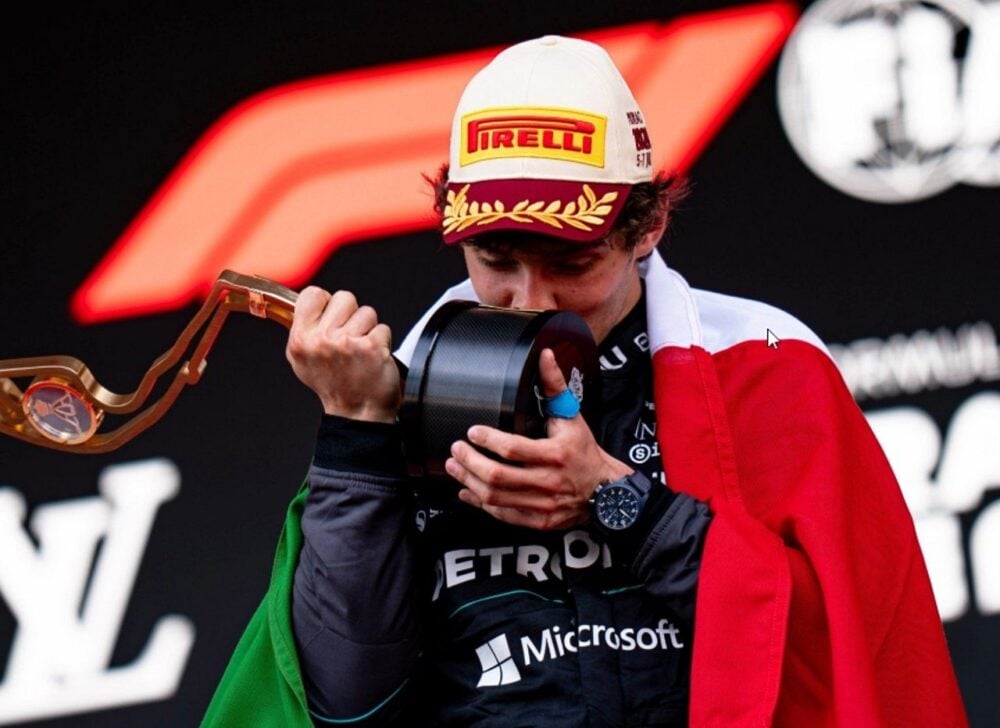
As it presents a mixed configuration that brings together sections with low, medium and high speed curves, added to long straights, the Barcelona route tends to reward projects that exhibit greater overall technical balance, reducing the incidence of surprising results. In the current season scenario, the Mercedes team won all the races held.
Looking back over the last ten years of the stage, only on one occasion was the victorious driver not part of the team that would go on to win the constructors’ world championship: Max Verstappen, competing for Red Bull in the 2016 season. That victory represented the Dutch competitor’s first triumph in Formula 1, benefiting from the mutual collision and consequent abandonment of the Mercedes drivers, Lewis Hamilton and Nico Rosberg, on the first lap.
The main alternative for competitors from opposing teams to break local hegemony lies in conquering the first position on the starting grid. The history of statistics since 1991 shows that 25 of the 35 drivers who started the race in pole position confirmed their victory at the end of the grand prix.
