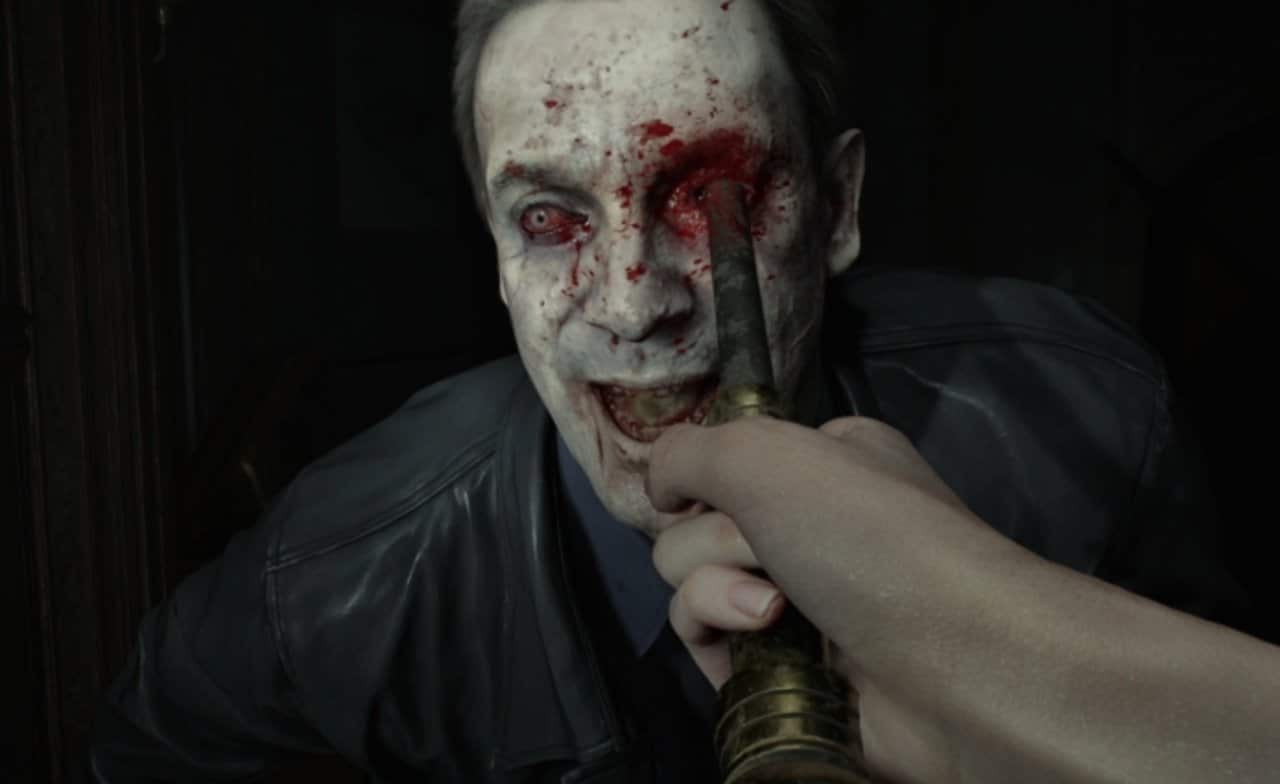
Japanese developer Capcom has set an ambitious schedule for the Resident Evil franchise, projecting new releases and recreations of classics for the next ten years. Internal documents and market movements indicate that the company hired hundreds of specialists to accelerate the production flow, with a focus on digital expansion. The strategy aims to keep the brand in the spotlight, delivering at least one big-budget title annually. To ensure profitability and high visual standards, the studio will continue to use its proprietary graphics engine, RE Engine. The company’s producers seek to mix the atmosphere of traditional horror with contemporary mechanics, while the financial board maintains secrecy about exact dates until the projects reach advanced stages of completion.
The first practical fruit of this new phase of expansion will be the ninth main chapter of the series, which is already in advanced development. The engineering team spent considerable time optimizing the creation tools before focusing on level design and the campaign prologue. The protagonist Leon S. Kennedy will take on the central role in the plot, which promises to bring significant innovations to the gameplay.
- The new title will introduce side missions with limited time to complete.
- An additional game mode will recreate the enemies’ artificial intelligence to increase the challenge.
- Scheduled software updates will extend product lifespan across digital platforms.
Recreation calendar for the coming years
Capcom’s revitalization planning includes the long-awaited remake of Resident Evil Code: Veronica, scheduled to hit the market in 2027. The original game carries enormous weight in understanding the series’ mythology and global corporate conflict. The new version will receive a complete update to its control systems, audio design and graphical fidelity.
The following year, in 2028, the producer plans to make the recreation of Resident Evil Zero available. The work works as a direct prelude to the incident in the mansion that gave rise to the franchise. The team’s objective is to remove the technical limitations imposed by the consoles of the time, adapting the survival experience to current standards in the electronic games industry.
To avoid overload, the company divided tasks between different internal teams, ensuring that no group takes excessive risks alone. This resource management division allows Capcom to maintain a constant flow of products in physical and digital stores, without compromising the quality of side projects.
The commercial acceptance of previous recreations determined the pace and budget of these new high-cost productions. The significant financial return obtained with the new versions of the second, third and fourth chapters — the latter quickly surpassing the mark of 7 million copies sold — validated the company’s business model and guaranteed the continuity of investments.
Development of the tenth main chapter
The design of Resident Evil 10 has already begun in the headquarters offices, with a commercial launch projected for 2029. The title represents an important numerical milestone and requires careful planning between creative directors and executive producers. The team responsible is considering abandoning unbridled action to rescue the essence of survival, focusing on the scarcity of resources and inventory management. The extended production time will allow the implementation of superior artificial intelligence, altering the physics and behavior of opponents during combat.
The project remains in the pre-production phase, when the screenwriters define the setting, the general tone of the narrative and the artistic concepts. Capcom avoids detailing the plot in financial reports to prevent leaks, but the clear intention is to reconnect the story to the biological horror elements of the first game. The launch will mark the definitive transition to the next generation of hardware, requiring deep optimizations in the company’s graphics engine.
Return to the origins of the horror franchise
The developer’s long-term vision culminates in a complex project: a new version of the first Resident Evil, replacing the edition released in 2002. Market mapping and feasibility research have already begun, pointing to a sales window between 2030 and 2033. The main structural change involves the exchange of fixed cameras for a third-person perspective on the character’s shoulder. Level designers work to modernize the mansion’s architecture without losing its 90s identity, expanding physical spaces and reworking classic puzzles. The initiative reflects the historical importance of the work and requires oversight by an internal committee to manage the longest development cycle ever planned by the studio.
Market strategy and audience retention
Cross-checking data between old projects and new productions highlights Capcom’s financial stability tactic. The company is betting on the strength of its consolidated brands to generate continuous profit, supplementing its income with the sale of licensed products and digital adaptations.
This long-term calendar makes it easier to negotiate with console manufacturers and global retail chains. Advance notice allows for the creation of joint marketing campaigns and logistical planning for the distribution of special collector’s editions.
Graphics engine technical updates
To support the demands of future releases, Capcom is promoting a reformulation of its creation tools. Software engineering works on integrating new real-time global illumination systems and advanced particle physics simulation.
The modifications aim to reduce scenario compilation time and speed up the three-dimensional modeling process. The flexibility of the graphics engine ensures that games run with adequate performance on both high-performance computers and portable devices.
Technological standardization reduces the company’s operating costs in the long term. Unifying old and new processes on a single development platform makes it easier to train employees and transition between different projects.
Expansion of the narrative universe
The coexistence of recreations and new chapters requires extra care with the franchise’s timeline. Capcom formed an internal committee dedicated exclusively to monitoring story consistency and avoiding contradictions between game events.
The screenwriters take advantage of the new versions to correct script holes accumulated over the decades, adjusting dialogues and documents found in the scenarios. This narrative organization facilitates the expansion of intellectual property into other media, such as animation and live-action films.
Managing consumer expectations
Capcom’s communications department has adopted a conservative stance regarding official announcements. The company avoids announcing launch dates too far in advance, prioritizing the technical stability of the products. The board demonstrates a willingness to postpone internally any project that does not meet the required quality standards, protecting the brand’s reputation among players.
