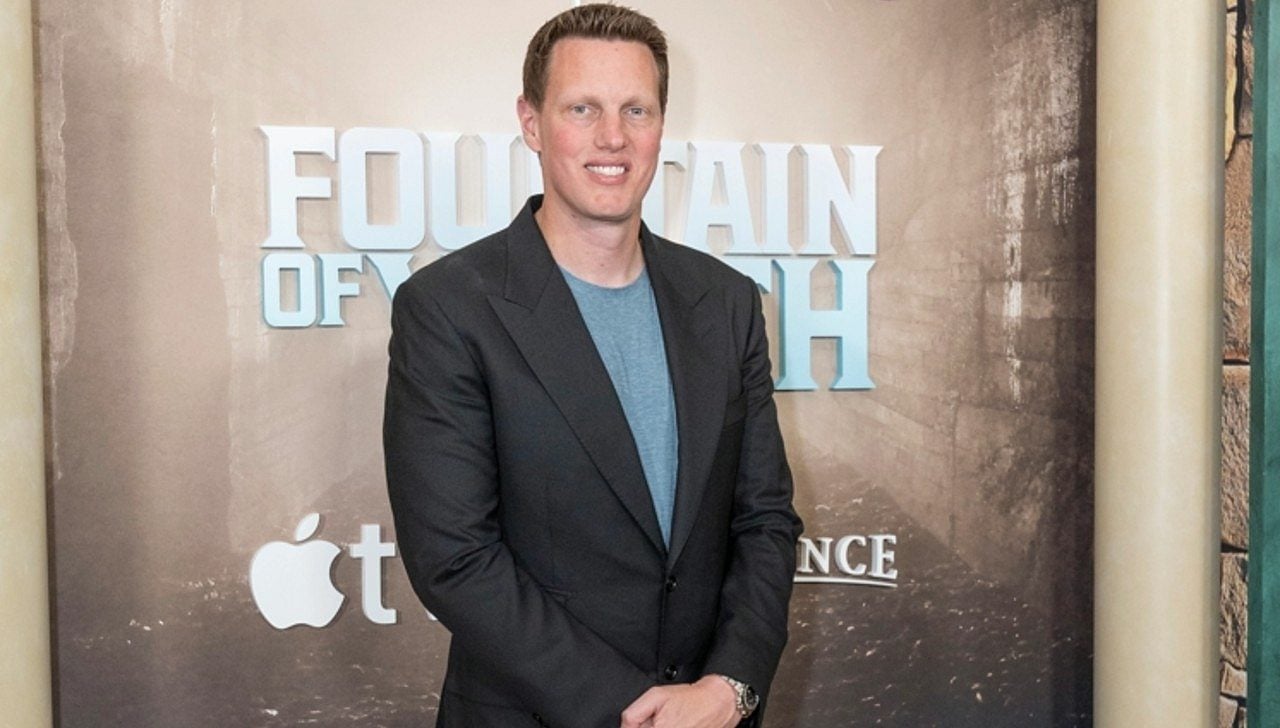
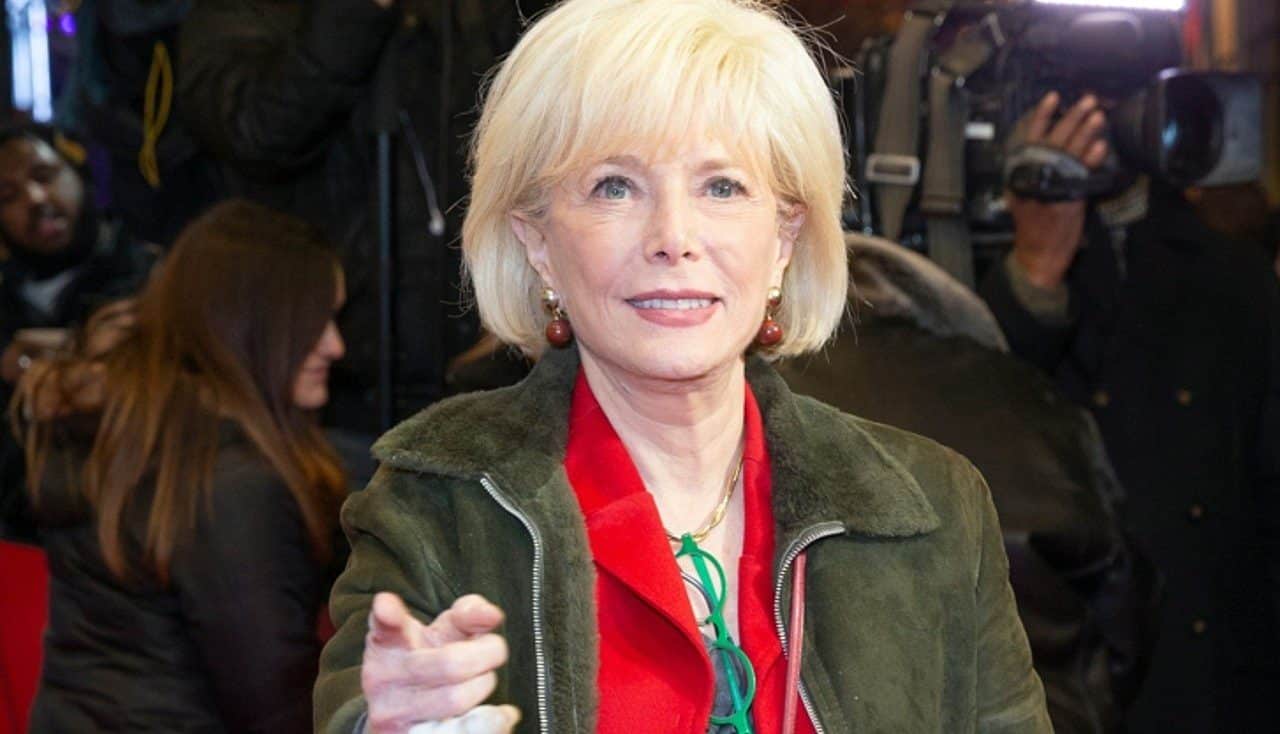
Paramount CEO David Ellison has promised correspondent Lesley Stahl that “60 Minutes” will maintain editorial independence, according to three people familiar with the matter. This statement represents the conglomerate’s latest effort to reduce tensions on the historic program after the departure of main producers and half of the presenting team.
On Monday, Stahl told the “60 Minutes” team that Ellison had spoken to her and assured her of preserving the show’s independence, according to two sources. He also apologized for the recent turbulence experienced by the attraction, the same sources confirmed.
The Guardian newspaper and The New York Times had already revealed information about the dialogue between Ellison and Stahl. Paramount did not make executives available to comment on the matter.
At the end of May, CBS News dismissed a large part of the senior management of “60 Minutes”, the network’s iconic attraction and one of the main assets of American journalism. About two weeks ago, CBS News fired “60 Minutes” executive producer Tanya Simon, executive editor Draggan Mihailovich, correspondents Sharyn Alfonsi and Cecilia Vega, and senior producers Guy Campanile and Matthew Polevoy. Days later, Scott Pelley also left the program after disagreements with the new person in charge, Nick Bilton. The attraction, the most watched news program in the United States, now operates with just three correspondents and needs to produce articles for the fall season.
Ellison’s statements can help to calm the environment in the program, which is experiencing days of instability and is still facing a challenging period without full-time correspondents. Under the command of Bari Weiss, editor-in-chief of CBS News, the broadcaster seeks to extract more content from “60 Minutes” for digital platforms and social networks, in addition to producing more agile reports with exclusive interviews with people involved in hot facts. The program has already been carrying out this type of work in recent years.
Ellison had previously made promises to CBS News employees that he later failed to fully fulfill. In September, the company appointed Kenneth Weinstein, former CEO of the conservative think tank Hudson Institute, as an ombudsman for CBS News, with the mission of investigating allegations of bias and errors. Weinstein’s arrival undermined much of the positive relationship that Ellison had built with the CBS News team following the acquisition of Paramount’s assets. According to sources, Ellison had praised the work of the professionals in a meeting shortly after closing the deal.
Calming the mood at CBS News gains strategic relevance for the media group. The midterm elections, scheduled for the end of 2026, tend to increase audience ratings and attract more advertising investment for journalistic programs. Weiss oversees established attractions — “60 Minutes,” “CBS Evening News,” “CBS Sunday Morning,” “CBS Mornings,” “48 Hours” and “Face The Nation” — that generated $362 million in 2025, according to data from Guideline, a company that tracks advertising spending.
Bilton will need to work to motivate the remaining “60” team. For months, according to two sources familiar with CBS News, producers have been practicing self-censorship, avoiding topics that could provoke negative reactions from Weiss or management. Professionals feel internally intimidated by the company’s lack of public defense of the program.
Paramount’s previous management used the show as a bargaining chip with the Trump administration, which accepted a $16 million settlement to settle a weak lawsuit linked to a pre-election interview with former Vice President Kamala Harris. Paramount sealed the deal while finalizing the sale to Skydance, its current parent company. The decision prompted the departure of two senior CBS News executives: Bill Owens, former executive producer of “60 Minutes,” and Wendy McMahon, former CEO of CBS’ news, broadcasting and distribution divisions.
In late 2025, Weiss worsened the situation by belatedly interfering in reporting on migrants sent by the US to rigorous prisons in El Salvador. She ordered the suspension of the article after its initial publication and asked Alfonsi to seek a position from Trump administration authorities, although the correspondent had already tried. The episode raised doubts about a possible attempt at appeasement, as the report could displease the government. The article aired in January 2026 and Weiss admitted to having attracted unwanted attention because she was unaware of some internal procedures.