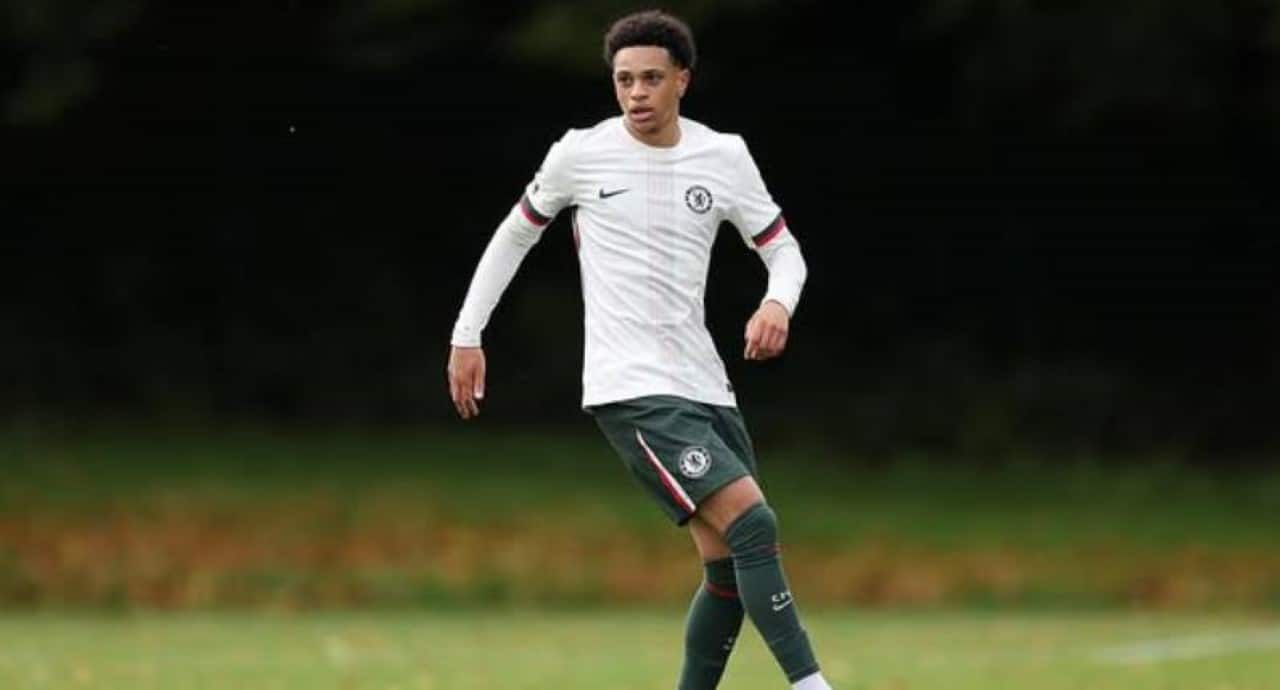
Chelsea’s board of directors has officially announced the departure of right-back Richard Olise, who will leave the London club after the end of his contract on June 30th. The 21-year-old athlete ends a spell that lasted more than a decade in the blue team’s youth categories, marking the end of a long training process in one of the most prestigious academies in European football.
The player is the younger brother of striker Michael Olise, who currently plays for Bayern Munich and the French national team. The decision not to renew the contract reflects a constant policy at the big clubs in England, where an excess of options in the main squad often blocks the definitive transition of young talents trained at home.
End of an era for young talent in Cobham
The defender’s career at the Cobham training center began when he was just nine years old. Since then, the athlete has gone through all stages of the club’s youth development system, consolidating himself as a frequent player in lower-category lineups and gaining tactical experience over the years.
The highlight of his tenure occurred during the 2024/25 season, when the coaching staff listed him for the first time for an official commitment to the first team. The opportunity arose on the trip to Kazakhstan, where the squad played a Conference League match against Astana, highlighting the technical committee’s temporary confidence in their potential to form the group in continental competitions.
Under-21 performance and characteristics on the field
Born in the English capital on September 9, 2004, the full-back built a technical profile that is valued in modern football. He accumulates call-ups to represent England in the youth teams, demonstrating a competitive level that caught the attention of national observers from an early age.
Within the four lines, the athlete preferably acts as a right-back with a strong offensive vocation. His coaches on the under-21 team highlighted his calmness in releasing the ball under pressure and his ability to support the attack with quick passes by the right-handed runner. During his participation in Premier League 2, the national reserve championship, he recorded consistent minutes and scored important goals, with a highlight being a goal scored in the regional derby against Fulham.
The list of layoffs and the club’s financial reality
The defender’s release did not occur in isolation. The football department has added his name to a wider list of players who will not have their contracts extended for next season. The reformulation of the youth categories affected other names that were also looking for space in the competitive professional squad.
The official list of athletes who leave the institution together with the full-back includes the following names:
- Brodi Hughes
- Sam Rak-Sakyi
- Jimi Tauriainen
This market movement has become standard procedure in elite English football. With the league’s strict financial sustainability rules, boards need to constantly reevaluate the cost of maintaining players who have no immediate prospect of integration into the first team or profitable sale in the short term.
The familiar contrast with success at Bayern Munich
The careers of the Olise brothers present diametrically opposite paths when it comes to professional development. While Richard chose to remain within the structure of a giant in the capital for twelve years, waiting for a chance that ended up not fully materializing, his older brother made different decisions while still in his teens.
Michael left Chelsea’s youth academy very early, playing for Reading before making a name for himself at Crystal Palace. This search for minutes in teams with less immediate pressure for titles allowed him to mature quickly, culminating in a million-dollar transfer to German football. The youngest son’s current situation illustrates the increasing difficulty of establishing a linear career while remaining at a single elite academy.
Next steps and the European transfer market
From July onwards, the full-back assumes free agent status, which significantly changes his attractiveness on the football market. Without the need to pay transfer fees, the player enters the radar of several teams that operate with leaner budgets, but that seek athletes with high-level technical training.
Clubs that compete in the Championship, the second English division, tend to intensely monitor this profile of athlete released by the Premier League giants. Furthermore, mid-league teams in continental Europe often offer contracts to English youngsters, providing the necessary environment for the definitive transition to adult professional football.
The challenge facing graduates of England’s elite academies
The scenario faced by the athlete exposes a complex dynamic of sport in the country. Academies receive heavy investment and produce players with excellent game reading and physical preparation, but the demand for immediate results means that coaches prefer to use established international signings instead of testing youth players in high-tension matches.
Now, away from the gates of Stamford Bridge, the defender will need to prove that the long football education he received in London is enough to guarantee his place in a new environment. The change of scenery represents the opportunity to start an independent chapter in its trajectory, seeking the sequence of games that grassroots football can no longer offer.
