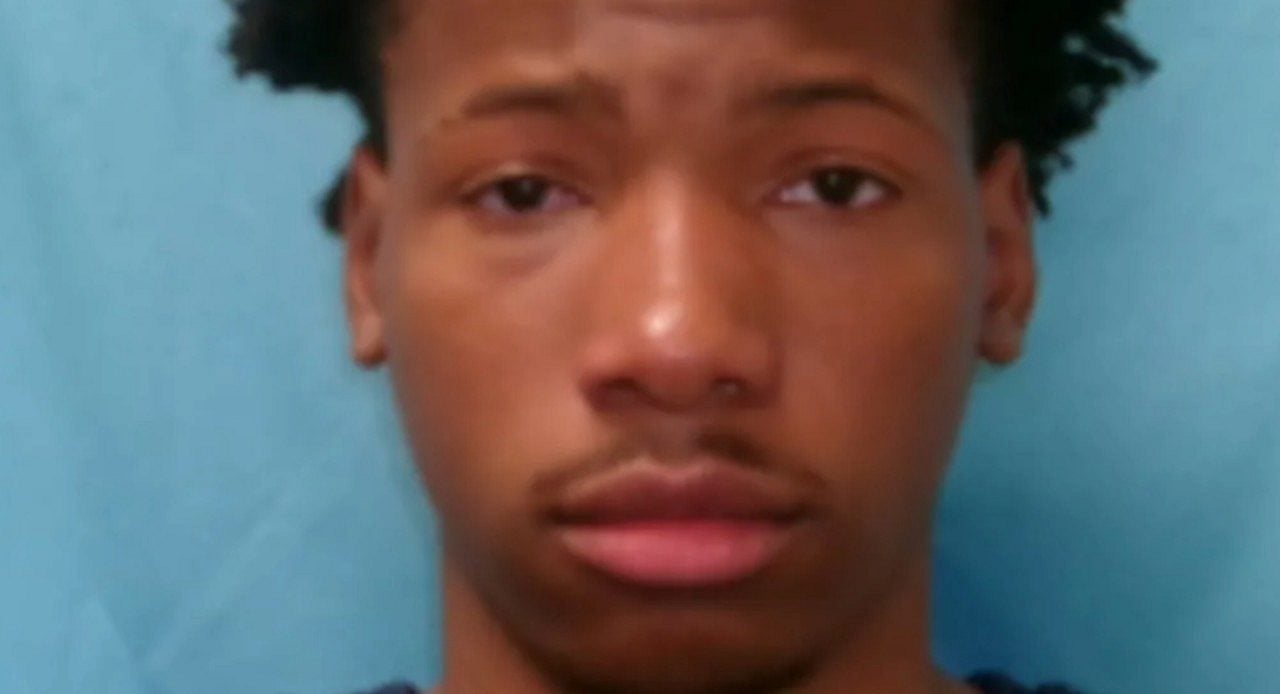
Karmelo Anthony, 19, was convicted of aggravated murder and sentenced to 35 years in prison for the death of Austin Metcalf, 17, who was stabbed in the chest during an athletics event in Frisco, Texas, in April 2025. The Collin County jury deliberated for about three hours before rejecting the defense’s thesis of self-defense.
The incident occurred on the morning of April 2, 2025, at David Kuykendall Stadium, during a district meet postponed by rain. Witnesses reported that Anthony entered the team tent at Memorial High School, where Metcalf competed, and refused to leave even after repeated requests — about 15 times, according to reports. After a brief argument and a light push from Metcalf to remove him from the scene, Anthony took a knife from his backpack and stabbed the victim in the chest.
Metcalf bled to death in front of his twin brother and teammates. The young man was a promising athlete and student with no history of problems. Anthony, of Centennial High School, turned himself in to police shortly after.
Trial details and jury composition
The trial lasted about nine days and attracted national attention due to the racial debate that took place on social media. The jury, made up of 12 people, included three racial minorities (including Asians and Indians), eight women and four men. Of the 18 total jurors, counting alternately, six were minorities. Sources linked to the process confirmed that it was not an exclusively white jury, contradicting allegations made after the verdict.
The sentence was handed down a few hours after the conviction. Jeff Metcalf, Austin’s father, gave a powerful victim impact statement, highlighting the irreparable loss to the family and friends who witnessed the scene.
Reactions and racial polarization
The case reignited discussions about race in the American justice system. Outside the courthouse in McKinney, activists from the New Black Panther Party and Black Lives Matter protested, alleging racial bias against Anthony, who is black, while Metcalf was white. A local activist said the process showed that “black lives don’t matter” in Collin County, citing the Trayvon Martin case as a parallel — although in that episode the defendant was acquitted on the grounds of self-defense.
Federal Representative Jasmine Crockett (D-Texas) amplified the debate on her podcast. She questioned the impartiality of the jury, suggesting that they would not be “12 impartial white people” from Collin County, and compared the daily fear of black mothers with sons to that experienced by the Metcalf family. The congresswoman also minimized the lethal potential of the knife used. His statements generated a strong reaction, including from White House advisers, who classified them as inflammatory.
Criminal law experts note that the case tested the limits of the “sudden passion” or self-defense claim in Texas. The jury rejected both, considering that Anthony escalated the confrontation by carrying and using the bladed weapon.

What the case reveals about local tensions
Frisco, a fast-growing suburb of Dallas, has seen demographic shifts. Collin County is traditionally conservative, but the increase in the black population has been a topic of political discussion. The verdict and sentence of 35 years — below the maximum possible, which is life imprisonment — reflect a balance found by the jury between punishment and the circumstances of the case, without accepting the narrative of murder due to racial hatred.
Families on both sides lost young people with college plans. Metcalf’s father publicly called for the case not to be treated as a “racial or political issue” but as an individual act with devastating consequences.
The lawsuit also highlighted the role of social media in amplifying narratives even before the trial, with fundraising campaigns for Anthony’s defense that exceeded hundreds of thousands of dollars.
Practical impact and lessons
For the Frisco community, the episode serves as a reminder of the risks of confrontations at youth events and the importance of quick intervention in situations of invasion of space. Schools and sporting event organizers must reinforce safety protocols during weather delays.
From a legal perspective, the case reinforces that claims of self-defense require clear evidence of imminent threat and proportionality — something the jurors did not see here, in the face of consistent testimony from multiple students.
While activists vow to continue challenging the verdict, the Collin County judicial system concluded that Anthony’s action was intentional and not justified. The 35-year sentence means Anthony will have about 50 years when he gets out if he serves his sentence in full, without benefits that significantly reduce the time.
The tragic episode unites two grieving families, but exposes deep divisions that go beyond the courtroom.
