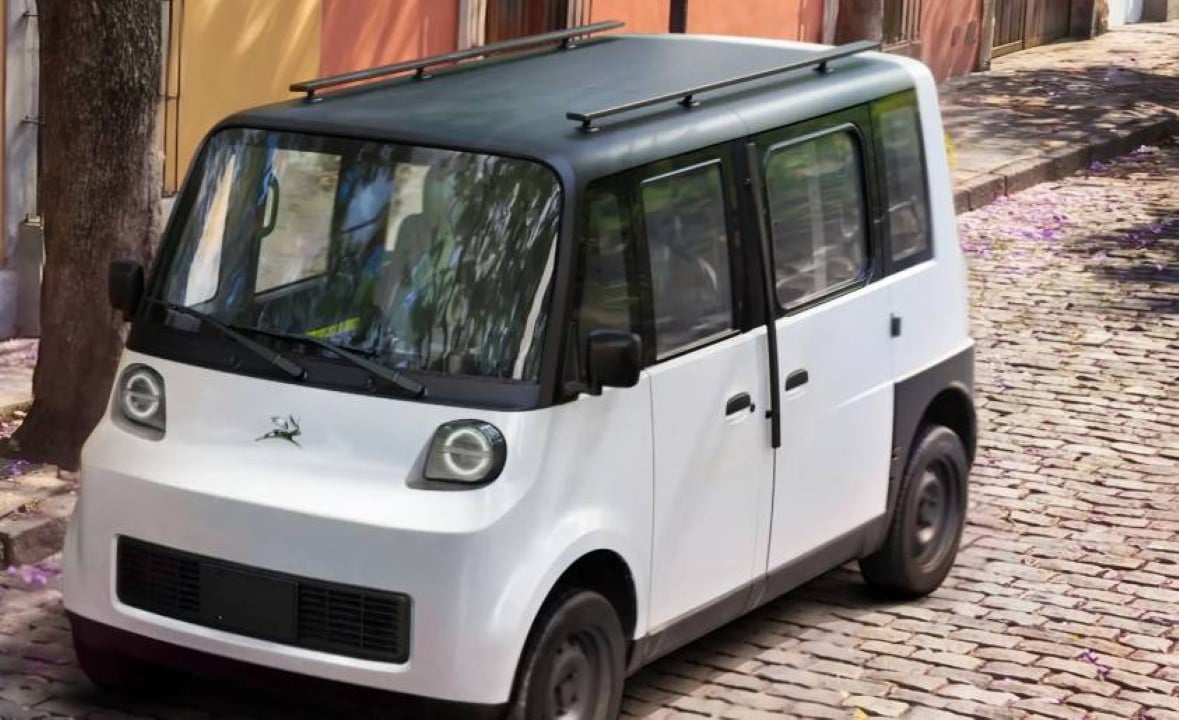
The Latin American automotive scene has just gained a new protagonist with the official launch of the Olinia Uno, an electric vehicle designed and manufactured entirely in Mexican territory. The government initiative seeks to offer a sustainable urban mobility alternative with a purchase cost of less than US$9,000, a value that directly challenges the imported options currently available. The presentation of the prototype represents a historic milestone for the local economy, breaking with decades of tradition where the country acted exclusively as an assembly hub for global giants in the sector. With this new development, the nation takes a firm step towards technological sovereignty and the modernization of its fleet.
Transition from assembly hub to technology creator
Historically, the Mexican territory has consolidated its position as one of the largest automobile exporters in the world, taking advantage of its proximity to the United States and advantageous trade agreements. However, this industrial strength has always been linked to the interests of foreign automakers, which used local labor without transferring the intellectual property of cutting-edge projects. The emergence of a national model changes this structural dynamic in a profound way, signaling a change in the State’s stance. The focus now becomes the retention of knowledge within the country’s borders, encouraging local engineering to develop its own and independent solutions.
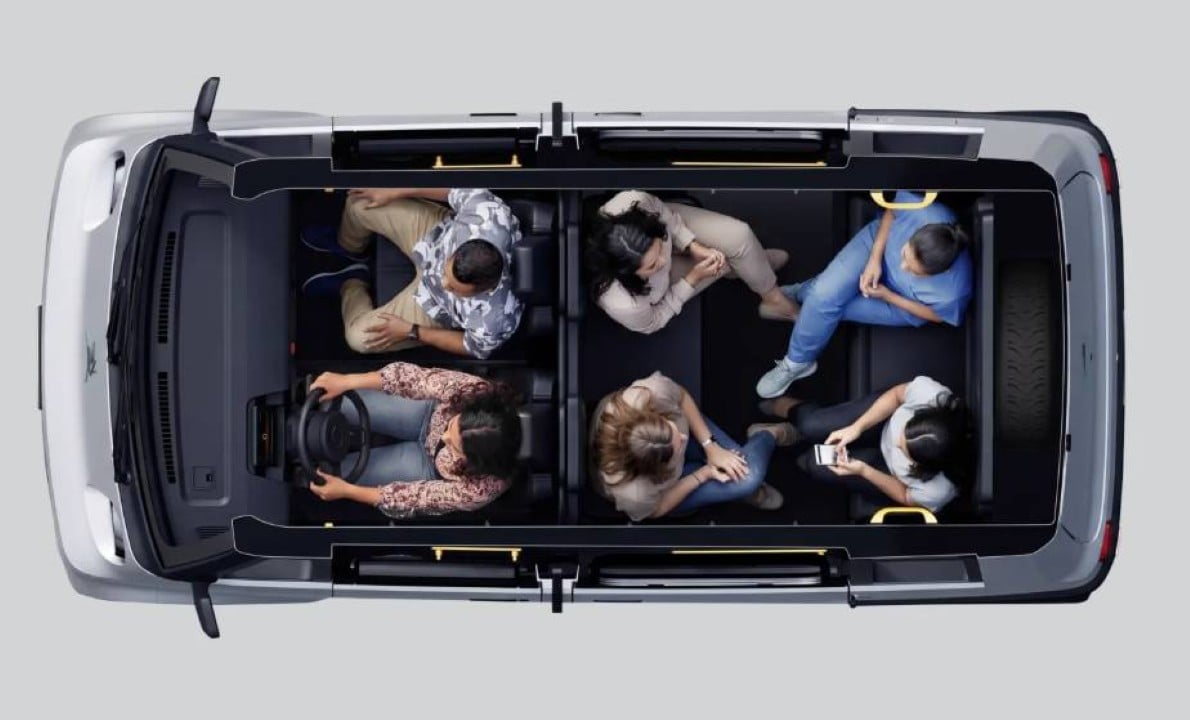
The strategy behind the new car focuses strictly on the practical demands of transport in large cities, where heavy traffic and pollution require compact and efficient alternatives. By setting such an aggressive price cap, developers ensure that the energy transition is not a privilege restricted to the upper classes of society. This approach democratizes access to clean mobility and creates a strategic commercial shield against the massive invasion of low-cost Asian vehicles, which currently dominate the entry-level segment in several emerging markets.
Joint effort between government and academic institutions
The implementation of this project did not occur in isolation within a single company, but through an unprecedented collaboration ecosystem in the country. The development of the prototype required a union of forces between public authorities, centers of academic excellence and international partners with experience in the electrification sector. This cooperation network made it possible to overcome initial technological bottlenecks and accelerate the automobile prototyping process in record time. The main entities involved in the design and technical execution of the vehicle include:
- National Polytechnic University of Mexico (TecNM), responsible for part of structural and materials research.
- National Polytechnic Institute (IPN), which actively contributed to the development of electrical and software systems.
- Research centers linked to the Ministry of Science, Humanities, Technology and Innovation, coordinating state funding.
- Chinese Embassy, which provided logistical support and facilitated the exchange of specific knowledge about batteries.
The direct involvement of public universities ensures that Mexican students and researchers have practical contact with the cutting edge of automotive engineering. This development model creates a continuous cycle of innovation, where academia solves real industry problems and trains highly qualified professionals for the future. The partnership with Chinese entities also demonstrates a pragmatic diplomatic openness to absorb mass production methodologies, areas where the Asian country has undisputed global leadership and sets the pace of the market.
Official presentation and political positioning
The prototype unveiling event, held on June 7th, was marked by strong political and industrial symbolism for the new administration. President Claudia Sheinbaum insisted on taking the wheel of the car during the ceremony, demonstrating confidence in the technical feasibility of the project and endorsing the initiative to the international community. The image of the head of state driving a national electric car served to materialize her government’s guidelines aimed at modernizing infrastructure and aggressively promoting applied science.
During her speech to authorities and the press, the president was emphatic in refuting historical criticisms about the local industry’s capacity for innovation. She highlighted that many pessimistic voices claimed that the country was born just to be an assembly factory, destined to accept external ideas without ever creating its own technologies. The Mexican leader classified this vision as completely wrong, using the new vehicle as material proof that the nation has enough talent, infrastructure and resources to compete in the highly complex global market.
Infrastructure and large-scale production challenges
Despite the enthusiasm generated by the prototype presentation, the transition from the testing phase to the commercial assembly line imposes severe logistical obstacles that will need to be overcome. Manufacturing electric vehicles requires a constant supply of critical minerals, as well as the construction of facilities capable of safely and efficiently assembling battery packs on an industrial scale. The government will need to attract substantial investments to build the necessary factories, ensuring that the final cost of the product does not exceed the barrier stipulated during the official launch.
Another determining factor for the mass adoption of the new automobile will be the adequacy of the road network and the availability of public charging points in urban areas. Currently, the electrification infrastructure in the country is still concentrated in high-income neighborhoods and main highways, which limits the practical usefulness of a car aimed at ordinary citizens. Complementary public policies, such as subsidies for the installation of residential chargers and tax exemptions for fleet owners, will be essential to create an environment favorable to the popularization of the model in the coming years.
Future perspectives for the Latin American market
The arrival of an electric car priced at less than US$9,000 has the potential to reconfigure decarbonization goals across Latin America, establishing a new price floor for the category. If large-scale production meets the quality and safety standards required by the market, the model could be exported to neighboring nations that face similar urban infrastructure challenges and restricted purchasing power. This would place the Mexican industry in a vanguard position, dictating the rules of a niche that still lacks truly affordable options for the average consumer, competing head to head with Asian imports.
The commercial success of this venture will now depend on the State’s ability to maintain research funding and protect the new brand from aggressive fluctuations in the international auto parts market. Public acceptance will be a crucial thermometer to validate the joint effort between academia, diplomats and engineers throughout the design process. Regardless of initial sales volumes, the break in the technological paradigm already establishes a new standard of ambition for the national productive sector, proving that the energy transition can be designed and executed by emerging economies with a long-term vision.
