The kickoff of the biggest football competition on the planet takes place this Thursday (11), marking a historic moment at the Azteca Stadium, in Mexico City. The host team takes the field at 4pm, Brasília time, to face the South African team in the first duel of the tournament. Under the command of coach Javier Aguirre, the hosts are looking to start the campaign with a convincing victory in front of their passionate fans, who are eagerly awaiting a solid performance from the national team.
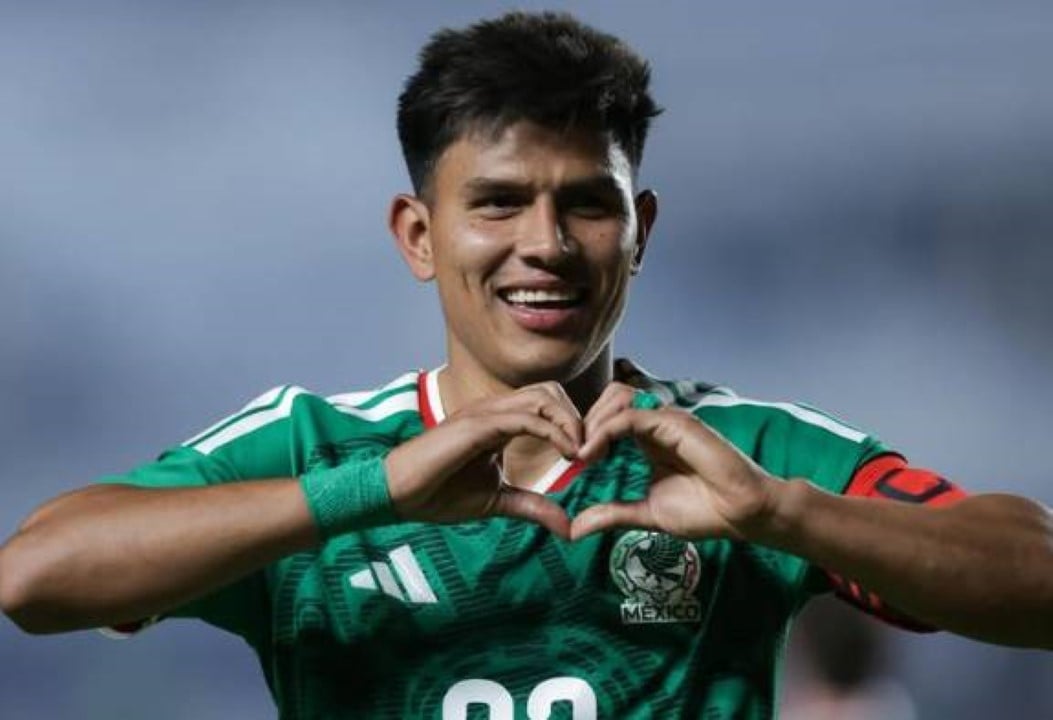
For this extreme pressure commitment, the technical committee decided to focus on the experience of athletes tested in major international scenarios. The defensive sector on the left side will be occupied by Jesús Gallardo, a player who currently defends the colors of Toluca in the local championship. At 31 years old, the full-back assumes the responsibility of balancing marking actions and constant support for the offensive sector during the ninety minutes of the ball rolling.
The choice for the veteran defender does not happen by chance, considering the psychological weight of playing in an arena that hosts its third inaugural World Cup match, an absolute record in the history of the sport after hosting the opening matches in 1970 and 1986. The athlete brings with him the necessary resilience to deal with the expectations of more than 87 thousand spectators who will fill the stands of the Mexican capital, transforming the stadium into a true cauldron in favor of the home team.
The defender’s consolidated trajectory on the sporting scene
Born in the city of Cárdenas, located in the state of Tabasco, the athlete born on August 15, 1994, built a solid career based on physical regularity and tactical intelligence. At 1.74m tall, he makes up for his average height with impressive speed and a remarkable ability to recover quickly. His versatility allows him to play both in the back line and further forward, functioning as a traditional winger when the scheme requires greater aggression on the edges of the field.
The professional’s CV reflects his unquestionable importance for the country’s football, totaling more than 120 official matches wearing the tricolor shirt. A graduate of the Pumas youth teams, he reached the height of recognition during his successful spell at Monterrey, where he lifted important trophies such as the Liga MX, the Copa MX and the prestigious CONCACAF Champions League. Since his transfer to Toluca at the beginning of 2024, the full-back continues to deliver impressive numbers of goals and assists.
The player’s international background is one of his greatest assets for the current coaching staff. He has already represented his nation in the 2018 and 2022 global editions, in addition to having an enviable record on the continent, having won the Gold Cup editions in 2019, 2023 and 2025. This experience places him as one of the pillars of leadership within the dressing room, guiding the younger athletes who will make their debut in football’s top competition.
Host team challenges in the first phase of the competition
The draw for the brackets placed the Mexicans in a position of theoretical favoritism within Group A, but the new expanded format of the championship requires extra attention from the first whistle of the judge. In addition to the African opponent of this opening round, the bracket features the dangerous presence of South Korea and the Czech Republic. Every point gained at home becomes vital to guarantee a smooth qualification for the knockout stages, avoiding depending on parallel results in the last round.
The strategy set up to overcome the South Africans goes directly to the feet of the full-backs, who will need to break the marking lines of an opponent known for their physical strength and quick transition. The technical committee hopes that the runs down the left aisle will generate precise crosses for the centralized attackers, exploiting any positional flaws in the rival defense and dictating the pace of the game from the opening minutes.
Tactical design and probable lineups for the clash
The coaches finalized the preparations and outlined the formations that should start the clash in the Mexican capital. While the home team relies on a traditional offensive system with three front men, the visitors prepare a structure focused on closing spaces in the midfield, seeking to surprise with quick counterattacks.
- Mexican squad formed in 4-3-3: Raúl Rangel takes over the goal; the defense line has Jorge Sánchez (competing for a place with Israel Reyes), César Montes, Johan Vásquez and the experienced Jesús Gallardo; the midfield will have Erik Lira, Álvaro Fidalgo (or Edson Álvarez) and Roberto Alvarado; the attacking trio will be formed by Brian Gutiérrez, Raúl Jiménez and Julián Quiñones.
- South African team lined up in 4-2-3-1: Ronwen Williams in goal; Khuliso Mudau, Mothobi Mvala (with Okon as an alternative), Nkosinathi Sibisi and Aubrey Modiba form the defense; Teboho Mokoena and Sphephelo Sithole act as holding midfielders; Themba Zwane, Elias Mokwana (or Oswin Appollis) and Oswin Appollis himself in creating plays; Lyle Foster isolated as a reference in the attack.
The tactical variations indicated in parentheses show that both commanders still keep small secrets about the starting eleven, and may make last-minute changes depending on the final physical assessment of the athletes in the warm-up.
Historic milestone for South American arbitration in the tournament
The opening clash carries a special and unprecedented meaning for whistle professionals born in Brazil. Football’s highest governing body appointed Wilton Pereira Sampaio as the main referee for the match, marking the first time in history that a Brazilian referee has the honor and responsibility of commanding the opening match of a World Cup.
To assist with field markings and ensure strict compliance with the rules, the central referee will have direct support from his compatriots Bruno Pires and Bruno Boschilia at the flags. The selection of the trio reflects the organizing committee’s confidence in the international experience of these professionals, who have already played in several high-performance competitions and are accustomed to the pressure of packed stadiums.
Complete coverage and screen options for the Brazilian audience
Fans who follow sport in Brazil will have a wide range of alternatives to watch the sporting event live, ensuring that no one misses the details of the ceremony and the opening game. The broadcast market has been broadly organized so that the kickoff can reach all audience profiles, from traditional open television to the most modern digital streaming platforms.
Broadcasters TV Globo and SBT hold the rights to air it on a free-to-air national network, promising extensive coverage even before the ball rolls. For those who prefer subscription channels, SporTV and NSports offer in-depth analyzes and dedicated narrations. The online environment is also widely covered with the signals released on the ge portal through the Globoplay service, in addition to the interactive and relaxed broadcast promoted by CazéTV directly on its YouTube channel.
