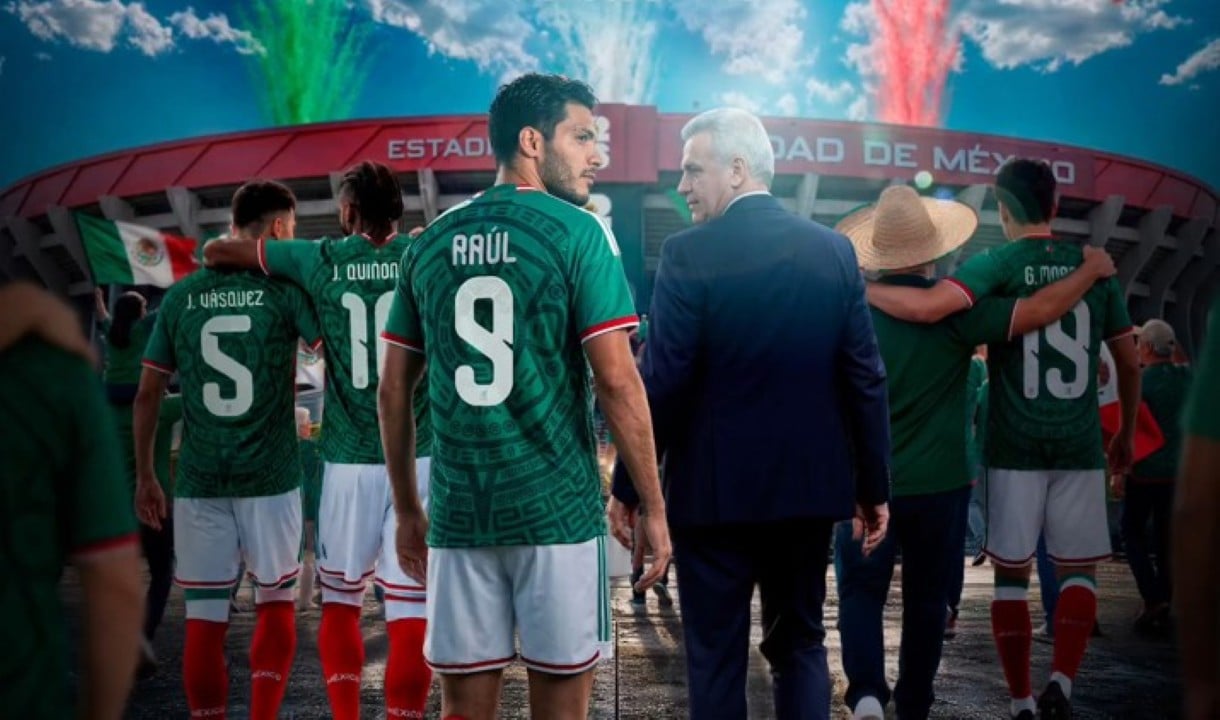
The 2026 FIFA World Cup, one of the most anticipated events on the global sporting calendar, will kick off with a vibrant clash between the teams of Mexico and South Africa. The inaugural match is scheduled for June 11, 2026, at 4pm local time at the legendary Azteca Stadium in Mexico City. This meeting promises not only to start the Group A journey, but also to mark the beginning of an edition with great expectations.
The Azteca Stadium: Sanctuary of historic moments in world football
A symbol of Mexico’s passion for football, the Azteca Stadium will once again be the stage for a decisive moment in the World Cup. Built in 1966, this iconic venue has the distinction of being the only stadium in the world to host two World Cup finals, in 1970 and 1986. Names such as Pelé and Maradona immortalized their performances on the Azteca pitch, giving the place a mystical aura and an unparalleled legacy. For 2026, the stadium was chosen to host the opening match, reaffirming its central importance in the history of the tournament. Its high altitude, approximately 2,200 meters above sea level, has always been a notable factor, challenging the physical condition of athletes and adding a strategic layer to the games.
In addition to its rich history in World Cups, Azteca is home to the Mexican National Team and Club América, being the stage for countless local classics and unforgettable matches. The stadium’s structure, which has undergone modernization over the years, is designed to accommodate tens of thousands of fans, ensuring a vibrant and immersive atmosphere for the opening of the World Cup. The selection of Azteca to inaugurate the 2026 tournament is not only a tribute to their glorious past, but also a recognition of Mexico’s fervent football culture.
Historical curiosities about the duels between Mexico and South Africa
Although it is not a classic with a vast sequence of meetings, the history between Mexico and South Africa in World Cups has already reserved a remarkable moment. The two teams faced each other in the opening match of the 2010 World Cup, hosted in South Africa. On that occasion, the game ended in a 1-1 draw, with Golo, from South Africa, scoring the first goal of the tournament and Rafael Márquez, from Mexico, ensuring equality. This clash, which took place at the Soccer City Stadium, in Johannesburg, was emblematic as it was the first time that an African country hosted the event, and the atmosphere of party and celebration was contagious.
Despite the draw in 2010, Mexico historically has greater experience in World Cups, with regular participation and the constant challenge of getting past the round of 16, known as the “curse of the fifth game”. South Africa, “Bafana Bafana”, has a more intermittent presence, but always brings with it the representation of a continent and a style of play based on physical strength and speed. That 2010 draw remains the only official World Cup meeting between the two nations, making the 2026 reunion a new chapter in the brief but significant history of this clash.
Tactical analysis: Coaches Javier Aguirre and Hugo Broos in focus
At the head of the Mexican team is the experienced coach Javier Aguirre, a widely known figure on the international football scene. Aguirre, who has led Mexico in other World Cups, is recognized for his tactical discipline and ability to motivate his players. Their approach, often pragmatic, seeks to balance defensive solidity with offensive creativity, essential characteristics to compete in a high-level tournament. Aguirre’s knowledge of Mexican football and the World Cup environment makes him a valuable strategist for the team.
On the South African side, Hugo Broos leads Bafana Bafana. The Belgian coach is praised for his work in developing young talents and for his ability to build cohesive and fierce teams. Broos has focused on solidifying the defense and exploring the quick transition in attack, taking advantage of the speed of African athletes. For South Africa, the 2026 World Cup represents an opportunity to show the evolution of its football and surprise more traditional opponents. The clash between Aguirre’s experience and pragmatism and Broos’ organization and drive promises an intriguing tactical duel at the opening of the World Cup.
Key players: Promising talents on the Azteca pitch
Looking at the possible lineups, some names stand out as fundamental pieces for their respective teams. For Mexico, defender Johan Vásquez is one of the defensive pillars. Working in Europe, Vásquez brings the necessary experience and solidity to the Mexican rearguard. His ability to anticipate and lead is crucial for the team’s defensive organization and ball release. In addition to him, the Mexican team has players like Edson Álvarez, who offers control and strength in midfield, and attackers who look for speed and dribbling to unbalance.
In the South African team, midfielder Siphephelo Sithole is one of the highlights. His vision of the game, distribution ability and marking power make him a driving force for Bafana Bafana. Sithole is essential both in recovering the ball and in creating offensive plays. At their side, the South African team should rely on fast attackers, such as Percy Tau (if he is still in top shape), who can explore spaces and surprise the opposing defense with their agility and finishing. The performance of these key players will be decisive for the outcome of the opening match.
The weight of the FIFA ranking and ambitions for the 2026 World Cup
Currently, the Mexican National Team occupies 15th position in the FIFA Ranking, which places it among the best-rated teams on its continent and with a consistent history of presence in World Cups. This positioning reflects the quality of Mexican players, many playing in top European leagues, and the structure of their football. For Mexico, the objective in 2026 goes beyond a good campaign: there is strong pressure to break the barrier of the round of 16 and advance to the most acute stages of the tournament, especially playing at home.
South Africa, in turn, is in 60th position in the FIFA Ranking, a position that places it as one of the teams seeking to prove its value on a global stage. For Bafana Bafana, the World Cup is a chance to showcase the growth of African football and individual talent. The South African team enters the tournament as a potential “zebra”, with less pressure and the opportunity to surprise opponents considered stronger. The contrast in rankings adds an interesting layer to the opening match, with Mexico looking to reaffirm their favoritism and South Africa aiming for a surprising result to begin their journey.
Preparations and the long journey to the 2026 World Cup
The 2026 World Cup will be a historic event in several aspects, being the first to be hosted in three countries (Mexico, United States and Canada) and the first to have 48 participating teams. This new expanded format promises more games and the inclusion of more nations, increasing the diversity and competitiveness of the tournament. For Mexico and South Africa, preparations for the World Cup have been underway for years, with the formation of squads, holding friendly matches and participating in continental tournaments.
Both teams face distinct challenges on their journey towards 2026. Mexico, as one of the hosts, has the advantage of playing at home, but also the immense responsibility of living up to the expectations of its passionate fans. The pressure to perform exceptionally well will be great. South Africa, on the other hand, seeks consistency and chemistry to face stronger teams, taking each match as an opportunity for growth. The opening match at Azteca will be a crucial test for both teams and an indication of their ambitions for the rest of the competition.
Arbitration in focus: The experienced Wilton Pereira Sampaio
To conduct the opening match, FIFA appointed the experienced Brazilian referee Wilton Pereira Sampaio. Known for his consistent performance in major international and national games, Sampaio is a respected figure in the refereeing ranks. His average number of cards per game, although variable depending on the intensity of the confrontation, demonstrates a style that seeks to control the game without excessive interruption. Choosing a referee with his background for the inaugural game of the 2026 World Cup highlights the importance of the match and the organization’s confidence in its ability to deal with the pressure of the event.
FIFA World Cup 2026 match schedule
The initial schedule for the 2026 FIFA World Cup already features a series of exciting clashes. Follow the first days of the tournament:
- June 11:
* 16:00 – Mexico x South Africa
* 23:00 – South Korea x Czechia
- June 12:
* 16:00 – Canada x Bosnia and Herzegovina
* 22:00 – USA x Paraguay
- June 13:
* 16:00 – Qatar x Switzerland
* 19:00 – Brazil x Morocco
* 22:00 – Haiti x Scotland
- June 14:
* 01:00 – Australia x Türkiye
* 14:00 – Germany x Curacao
* 17:00 – Netherlands x Japan
* 20:00 – Ivory Coast x Ecuador
* 23:00 – Sweden x Tunisia
- June 15:
* 13:00 – Spain x Cape Verde
* 16:00 – Belgium x Egypt
* 19:00 – Saudi Arabia x Uruguay
* 22:00 – Iran x New Zealand
- June 16:
* 16:00 – France x Senegal
* 19:00 – Iraq x Norway
* 22:00 – Argentina x Algeria
- June 17th:
* 01:00 – Austria x Jordan
* 14:00 – Portugal x DR Congo
* 17:00 – England x Croatia
* 20:00 – Ghana x Panama
* 23:00 – Uzbekistan x Colombia
- June 18:
* 13:00 – Czechia x South Africa
* 16:00 – Switzerland x Bosnia and Herzegovina
* 19:00 – Canada x Qatar
* 22:00 – Mexico x South Korea
The match between Mexico and South Africa goes beyond the mere start of a championship. It symbolizes the meeting of two distinct football cultures, each with its own aspirations and challenges. On the green carpet of the Azteca Stadium, on June 11, 2026, millions of eyes will be focused on this clash that promises not only to open the World Cup, but also to write another rich page in the history of global football. It will be a spectacle of tactics, emotion and the unmistakable passion that only the World Cup can provide.
