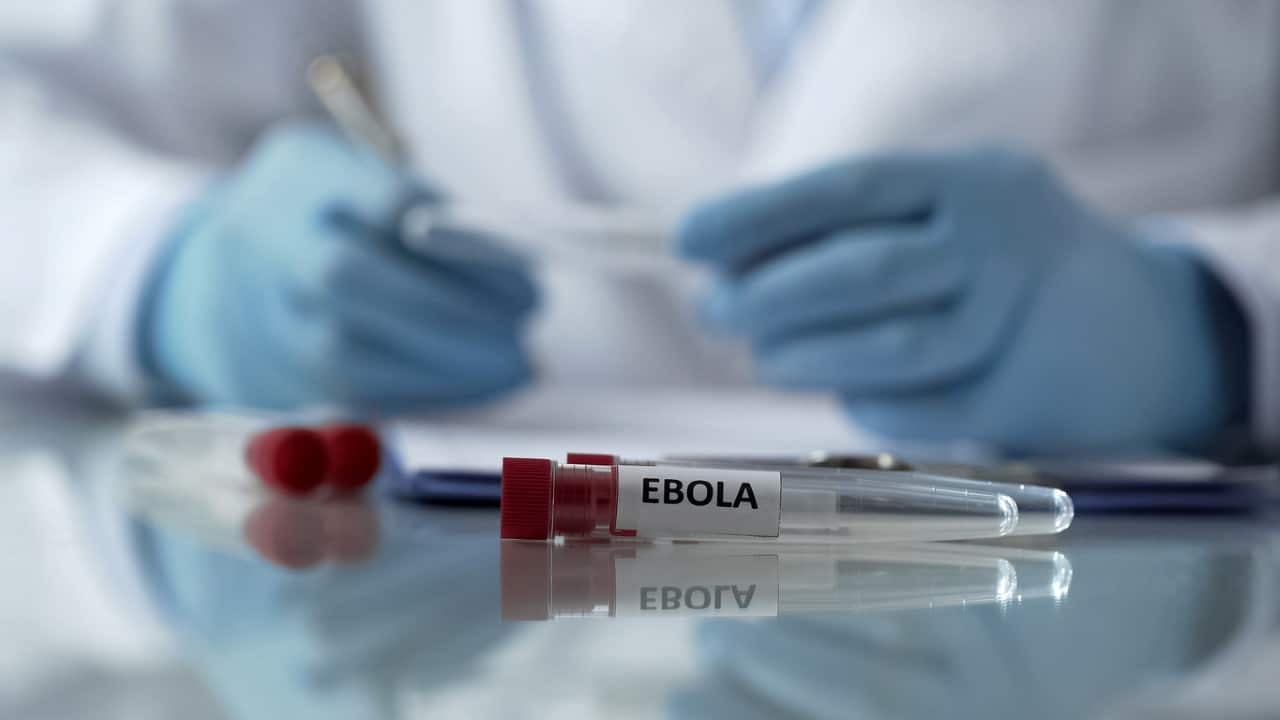
Health authorities in São Paulo began a rigorous investigation into a new suspected case of Ebola virus infection, with the official notification registered last Wednesday (10) in the capital. A patient was referred to a national reference unit, raising the alert for biosafety protocols in the state. The situation mobilizes experts while laboratory tests confirm or rule out the presence of the pathogen.
31-year-old woman is hospitalized and monitored in isolation
A 31-year-old Brazilian woman, who arrived in the country on June 6 after a professional trip, is admitted to the Emílio Ribas Institute of Infectious Diseases (IIER), a center of excellence in infectious diseases. She presented symptoms such as diarrhea and fever from Tuesday (9), leading to her transfer from a private hospital. The patient remains in stable condition, under strict isolation, following all safety procedures required for highly complex scenarios. An initial rapid test for malaria was negative, eliminating this immediate cause.
Travel to high-risk African region justifies health alert
The investigation was promptly activated by the Disease Control Coordination (CCD) and the Prof. Epidemiological Surveillance Center. Alexandre Vranjac (CVE-SP) due to the patient’s travel history. She was in the province of North Kivu, located in the east of the Democratic Republic of Congo (DRC), an area that has already recorded outbreaks of the disease. The combination of geographic origin with the symptoms presented configured the necessary framework for defining a suspected case, according to international epidemiological criteria. Laboratory analyzes to detect the Ebola virus are being carried out with utmost urgency by the Adolfo Lutz Institute (IAL), conclusive results are awaited.

Intensification of preventive measures after previous case discarded
The registration of this new case comes just weeks after another episode of suspected Ebola was ruled out in São Paulo. On June 1, a 37-year-old man, also from the Democratic Republic of Congo, was admitted to the same Emílio Ribas Institute. IAL tests confirmed that he suffered from meningococcal meningitis, not Ebola, and his recovery has been favorable. The experience of the previous case led the State Department of Health to further reinforce epidemiological surveillance actions, demonstrating a proactive stance in protecting public health.
Among the measures implemented by the Epidemiological Surveillance Center, the following stand out:
- Training for healthcare professionals:Around 1,100 professionals from different regions of the state participated in intensive training on the 8th and 9th of June. The modules covered everything from epidemiological surveillance to workflows, preparing them to identify, notify and manage suspected cases in a safe and effective way.
- Information note update:On June 3, the ministry revised and published a Joint Information Note on the Ebola virus, which now incorporates more in-depth technical details. The document serves as an essential guide for the health network, covering identification, notification, investigation, clinical management and monitoring of patients and their contacts.
Understanding Ebola transmission and low risk in Brazil
It is essential to clarify that the Ebola virus is not transmitted through the respiratory route, unlike other widely publicized pathogens. Infection occurs exclusively through direct contact with secretions and body fluids from already infected individuals, and only after the onset of symptoms. During the virus’s incubation period, the person is not capable of transmitting the disease, which minimizes the chance of uncontrolled spread in well-monitored environments. The guidelines of the World Health Organization (WHO) and Brazilian surveillance bodies are categorical in classifying the risk of introduction and spread of Ebola in Brazil and throughout South America as very low, given the existing health infrastructure and response capacity.
Details about the Bundibugyo strain and therapeutic challenges
Although the overall risk is considered low, vigilance is crucial, especially when considering the specific strain of the virus. Health authorities point out that for the Bundibugyo strain of the Ebola virus, which has been associated with past outbreaks, there are no licensed vaccines or specific therapies approved to date. This particularity reinforces the need for strict containment measures, such as isolation and intensive monitoring of patients and their close contacts. The development of treatments and immunizations for the different strains of Ebola is an ongoing challenge for global science, with ongoing research aimed at expanding tools to combat the disease.
The São Paulo State Department of Health continues to monitor the situation closely, ensuring that all protocols are followed to protect the population and guarantee a quick and effective response if the virus is confirmed. Transparency and agility in information are pillars of the public health strategy to manage events like this.
