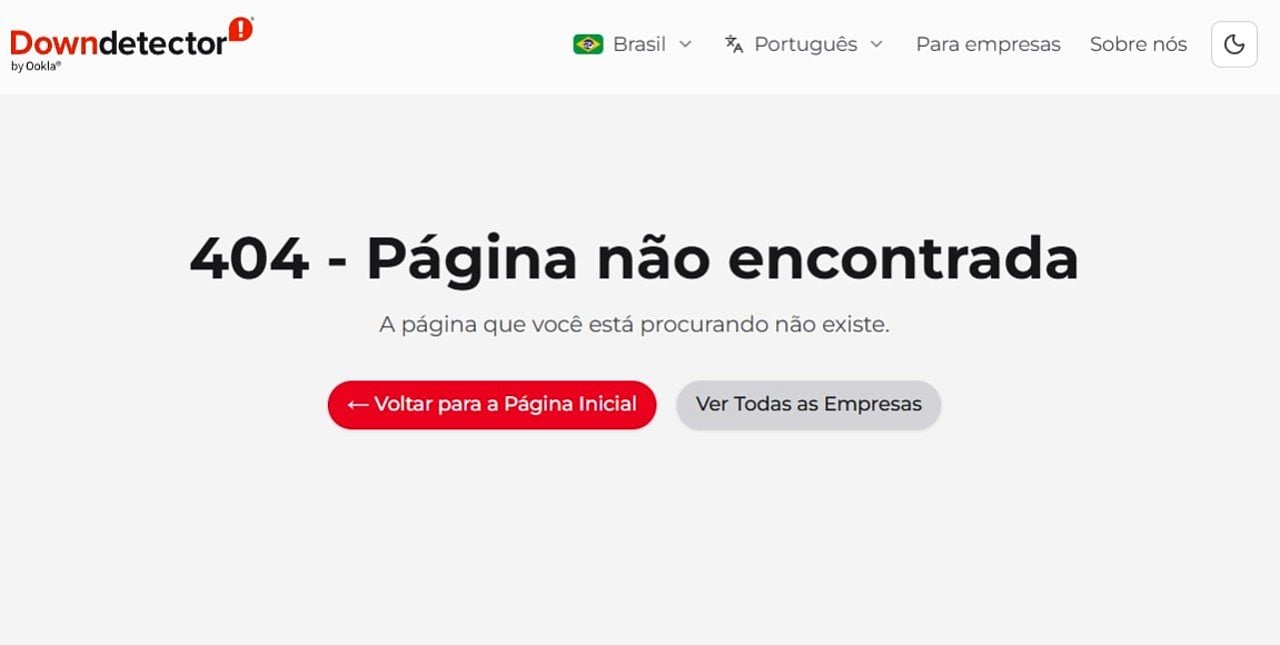
A massive outage has been affecting Instagram on a global scale since the early morning hours of this Thursday, June 12, 2026. Users from several countries, including the United States, where the problem was widely reported from 7:47 am (local time), report being unable to access the platform. Both the mobile app and the web version of the social network display blank pages, 404 error messages or simply fail to load content.
The Global Instability Hitting Instagram
The widespread failure began to be noticed around 10:47 am, Brasília time, with spikes in complaints on platforms such as DownDetector. Millions of people around the planet were prevented from using the service, one of Meta’s most popular photo and video sharing applications. Attempts to access via cell phones and computers encounter the same barriers, indicating an infrastructure issue that transcends the user’s device.
Symptoms and Complaints from Users Around the World
User reports detail a range of symptoms of the outage. Many see their feed screens completely empty without any posts, while others are faced with error codes that indicate the page was not found. The impossibility of updating content, making new publications or even viewing profiles is a constant. This situation creates frustration and impedes the daily communication of individuals, the interaction of communities and, crucially, the operations of many businesses that depend on the platform for marketing and sales. The scope of the outage suggests a central issue with Meta’s servers, directly impacting Instagram’s availability and functionality in all regions.
History of Previous Platform Issues and Outages
Instagram, like other technology giants, has faced several outages throughout its existence, with some notable incidents:
- October 2021:One of the biggest outages in the history of Meta (then Facebook), it affected Instagram, WhatsApp and Facebook for almost six hours. The issue was attributed to a “faulty configuration change” in its backbone routers, causing its DNS system to fail and rendering services globally inaccessible. The outage caused billions of dollars in losses for the company and impacted millions of users and companies.
- March 2019:A significant technical failure left Instagram and Facebook offline in several parts of the world for more than 12 hours. The exact cause has not been fully disclosed, but it is believed to be related to server issues.
- November 2018:A large number of users had difficulties accessing Instagram, with problems loading their feed and Stories. Meta confirmed the instability and worked to restore service.
- September 2018:Another global outage hit the platform, causing login and feed access issues. Incidents like these reinforce the complexity of the infrastructure that keeps these services running 24 hours a day.
- June 2020:Although not as global as others, a glitch affected users in North America and Europe, preventing images and videos from loading for a few hours.
- December 2022:Users in several regions reported problems accessing and loading the feed, an incident that was resolved after a few hours of work by technical teams.
- May 2023:A shorter but widespread instability caused slowness and failures in loading content, generating complaints and discussions on competing social networks.
These past events demonstrate the fragility of such complex systems and the constant need for maintenance and security to ensure global stability. Each outage serves as a reminder of the increasing dependence of users and companies on digital platforms, and the rapid spread of information about failures.
The Impact of a Global Outage for Users and Businesses
The Instagram shutdown has a multifaceted impact. For ordinary users, it means the temporary loss of a tool for leisure and social connection. Sharing moments, interacting with friends and family, and consuming content are interrupted, forcing many to look for alternatives or momentarily disconnect. Frustration is amplified by the lack of immediate information about the cause and expected return of service.
However, the impact is even more critical for companies, digital influencers and content creators. Many depend on Instagram as their main channel for sales, marketing and engagement with their audience. A global outage could result in:
- Loss of Revenue:Virtual stores and entrepreneurs who sell directly through the platform or promote products through it suffer significant financial losses, especially on days of promotions or important launches.
- Damage to the Brand:The inability to communicate with customers or answer questions can affect brand perception and consumer trust.
- Campaign Interruption:Advertising and marketing campaigns that are on air lose effectiveness and investment, requiring reprogramming and additional expenses.
- Audience Disengagement:Prolonged absence can lead the public to look for other platforms, diluting the reach and the effortlessly built follower base.
This dependence highlights the importance of diversified digital strategies and the need for alternative communication channels, such as own websites or other social networks, to mitigate the risks associated with possible failures on a single platform.
The Search for Answers and Next Steps to the Goal
Given the lack of official information from Meta at the time of the interruption, the online community and the press await a position from the company. Historically, in situations like this, Meta engineering teams work hard to identify the root cause of the problem and restore service as quickly as possible. Official statements usually come via Twitter (now X) or other Meta channels, offering explanations and apologizing for the inconvenience.
For users, the recommendation is to follow the news and competing social networks, where information and updates about the fall are often shared. Patience is essential, as resolving failures in systems on such a global scale can take hours. Full restoration of services generally occurs gradually, with normalization varying by region. The expectation is that Instagram will be fully operational soon, allowing millions of users to once again connect and interact in the digital environment.
