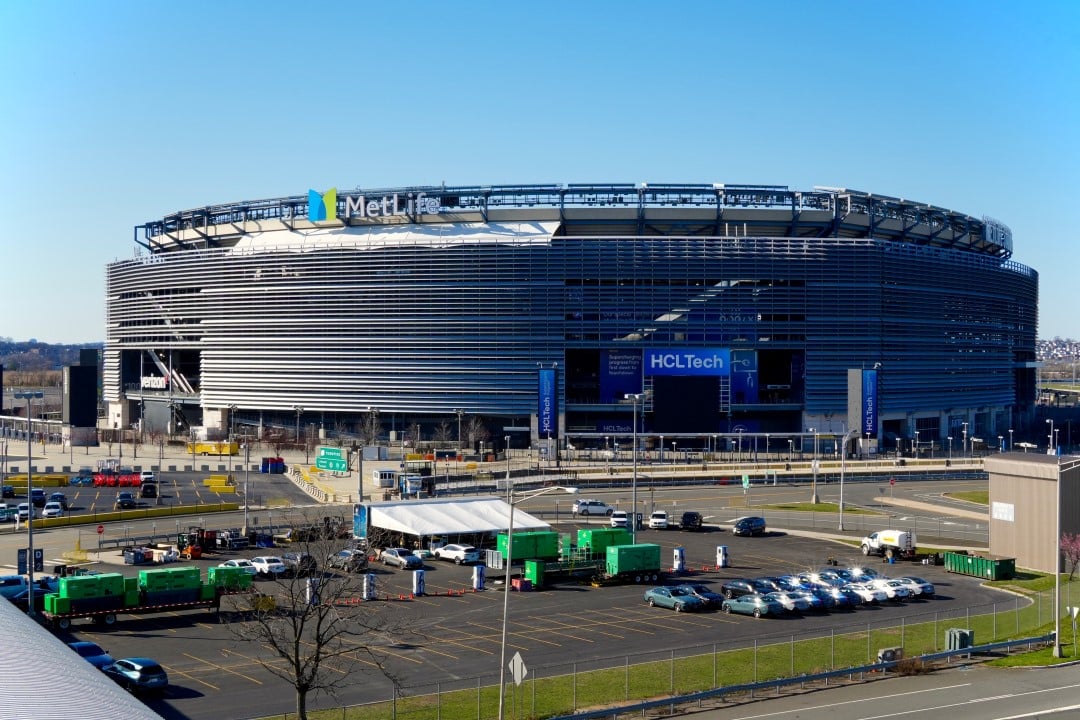
On the eve of the FIFA World Cup, the United States issued an important statement for foreign influencers who wish to generate revenue from content produced within the country, but who only have a tourist visa. US authorities have clarified that any content creation activity for profit while in the US is considered work and requires specific permission.
This warning was detailed in a joint document, prepared by the US Customs and Border Protection (CBP) and the Department of Homeland Security, and first published by the Spanish newspaper “El País”.
In the official text, the government emphasizes that “entering the United States for the sole purpose of creating material (as an influencer) and, thus, earning income from the United States while in the country, constitutes work and requires the appropriate visa”. The note goes on to warn that “individuals who access the United States through visiting programs and receive payment from an American source will be in violation of the conditions of their entry.”
The measure comes at a time of great expectation for one of the biggest global sporting events, which promises to attract hundreds of content creators willing to document their experiences for millions of followers.
There is still no clear information on how the new guidelines will be implemented in practice or whether enforcement actions related to this regulation have already taken place.
According to guidance from the United States authorities, the tourist visa (B-2) is intended exclusively for leisure trips, vacations, visits to family and medical treatments, and does not allow the performance of professional activities or the receipt of any type of remuneration for services performed on American soil.
Failure to comply with these provisions may result in serious consequences:
- visa cancellation;
- deportation;
- and severe restrictions on future entry into the country.
For digital influencers and other content creators looking for a legal alternative, the O-1 visa presents itself as an option, aimed at professionals who demonstrate skills considered extraordinary in areas such as arts, sports, science and business.
This type of permission, depending on the specificities of each case, enables paid activities, such as participation in advertising campaigns, formalizing partnerships with brands and the production of material for commercial purposes.
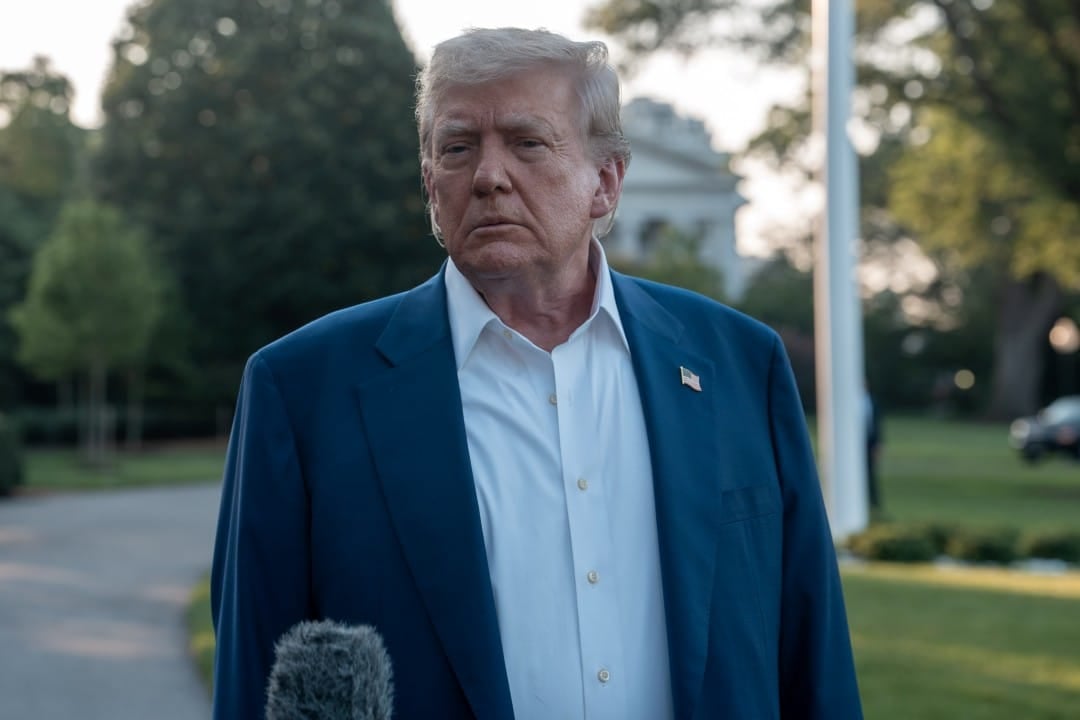
A source linked to the US government, who spoke to “El País”, revealed that President Donald Trump’s administration intends to intensify inspections at airports and border posts. The objective is to identify foreign influencers who may be using tourist visas to work professionally and generate profits.
The same source, who preferred to remain anonymous, explained that the initiative aims to “protect American jobs”, in line with the current administration’s more restrictive immigration policy.
“They themselves denounce themselves through the videos,” commented the source, referring to content creators who, without knowing it, openly share details about visa procedures and their journeys across the United States on their social networks to produce material for digital platforms.
The country has been the focus of discussions in recent weeks due to its rigorous approach to individuals interested in attending the tournament on American soil or who plan to work during the event.
The Trump administration’s immigration policy, known for its stricter requirements, is generating apprehension and uncertainty among fans and professionals from different parts of the world.
Recent examples include fans from Iran, a country with a history of tension with the US, who were prevented from entering. In another notorious incident, a Somali referee was deported after being accused of having links with terrorist groups.
