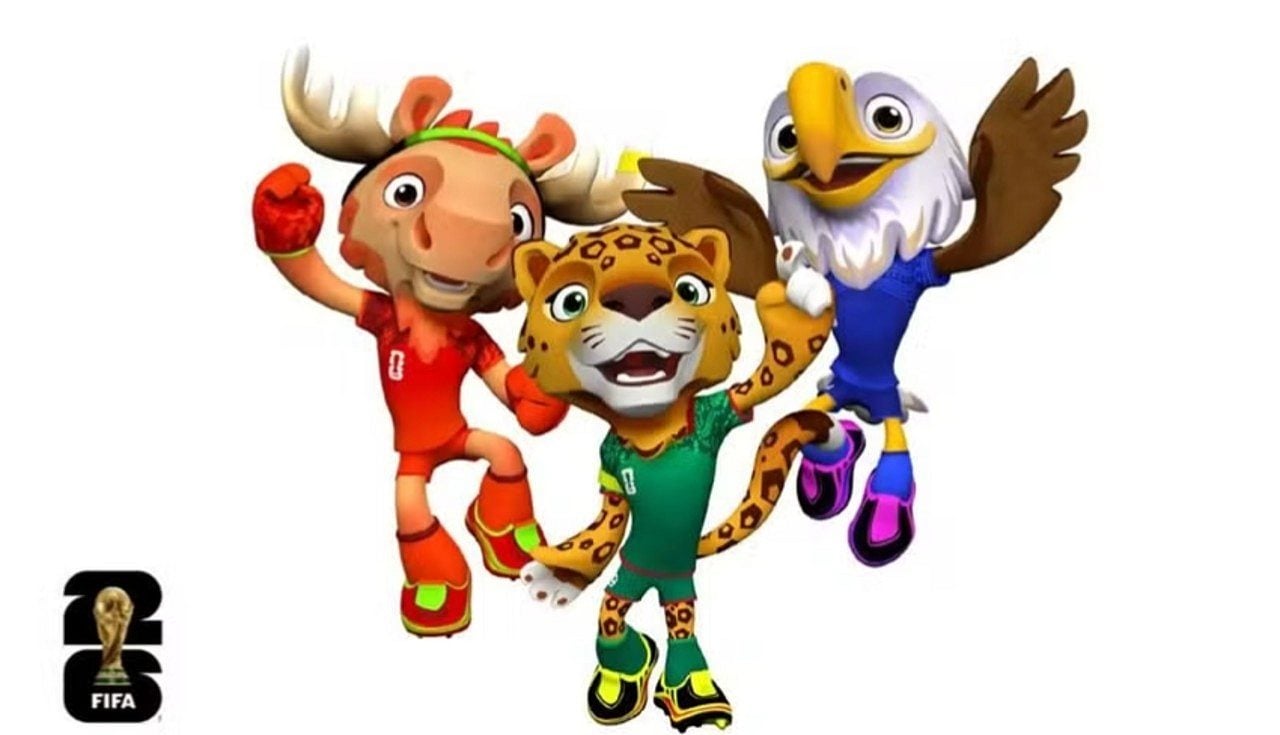
The International Football Federation’s global tournament scheduled for two years from now will go down in history for its monumental scale and expanded format. With the unprecedented inclusion of 48 teams playing a total of 104 matches, the organization also needed to innovate in the visual identity of the event to account for so much diversity. For the first time, the championship will feature a trio of animated ambassadors, created specifically to honor the three sovereign nations that will host the games: the Maple deer for Canadian territory, the Zayu jaguar for the Mexican side and the Clutch eagle representing the Americans.
Historical evolution of ambassadors in the entity’s world championships
The introduction of playful characters in major global championships began in the 1960s, more precisely in the tournament hosted by the English in 1966. Since the pioneering appearance of the lion Willie, several creations have become pop culture icons, generated millions in licensed products and marked generations of fans around the planet. Names like the charismatic leopard Zakumi, in South Africa in 2010, and the Brazilian nine-banded armadillo Fuleco, a highlight of 2014, show how these figures transcend sport and take on a life of their own.
Traditionally, the central objective of these illustrations is to celebrate the fauna, flora or customs of the people who organize the competition, serving as a business card for tourists. Faced with the unprecedented nature of a triple venue in North America, the football leadership chose to break the pattern of a single representative, developing an exclusive figure for each territory. This strategic decision ensures that the regional particularities of each country receive the same level of prominence and respect during the month of intense disputes.
Salient characteristics of the Canadian deer in the beacons
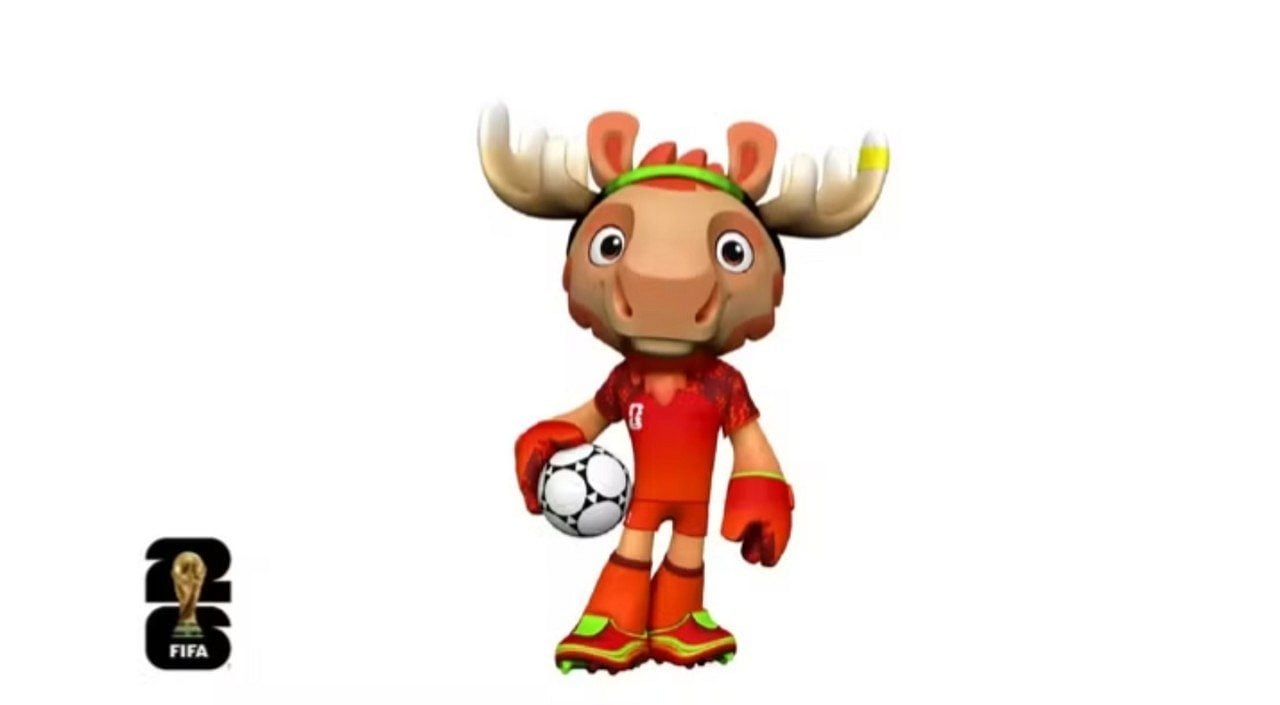
Geographically positioned in the extreme north of the continent, Canada comes to life through Maple. The animal sports a brown coat and wears red sportswear, in a direct reference to the national flag and the local team’s main uniform. The chosen species, scientifically cataloged as Cervus canadensis, inhabits vast forests in the cold region and carries a strong symbolism of resistance and climate adaptation for the country’s population.
In the narrative constructed by the developers of the marketing campaign, this mammal acts under the goalposts as a goalkeeper with quick reflexes, strongly influenced by the aesthetics of the streets. In addition to the defensive skills essential for the position, the character has a deep connection with the musical universe. He was classified by the creators as a creative mind, endowed with great inner strength and a natural ability to guide his teammates in moments of high pressure on the pitch.
Feline presence guarantees the representation of Mexican culture
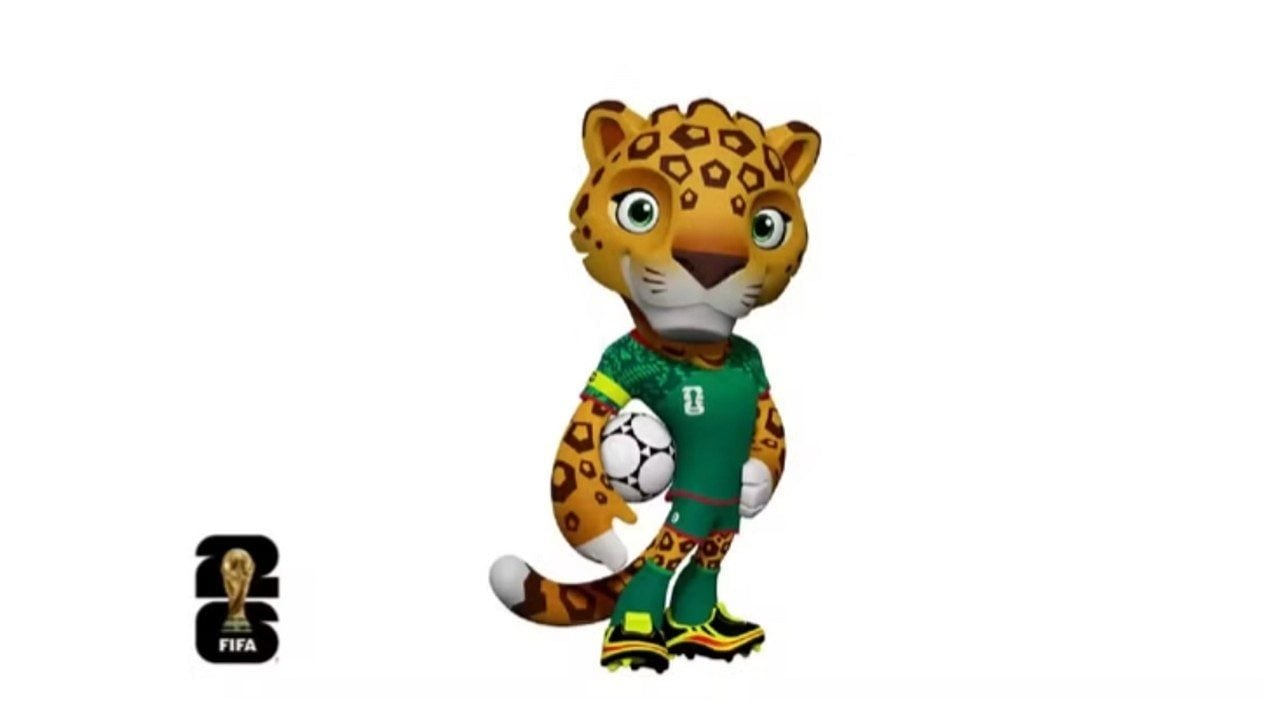
The Latin American heritage present in the organization of the event finds its voice through Zayu, a jaguar full of energy and attitude. Designed with light tones and the dark spots characteristic of the species, the feline wears the traditional green of the Mexican team. Within the four lines, she assumes the position of striker, standing out for her extreme agility and tactical intelligence, functioning as a perfect link between the dynamism of the sport and the historical richness of her people.
The character’s baptism carries a deep linguistic meaning, translating concepts of happiness, unity and community power. The animation team made a point of integrating fundamental elements of everyday Mexican life into the attacker’s personality, including her passion for local cuisine and traditional dance rhythms. The choice of the feline also serves as a subtle warning for environmental preservation, as the animal is one of the most important and threatened predators in the jungles of the central region of the continent.
The greatest symbol of the Americans dominates the midfield
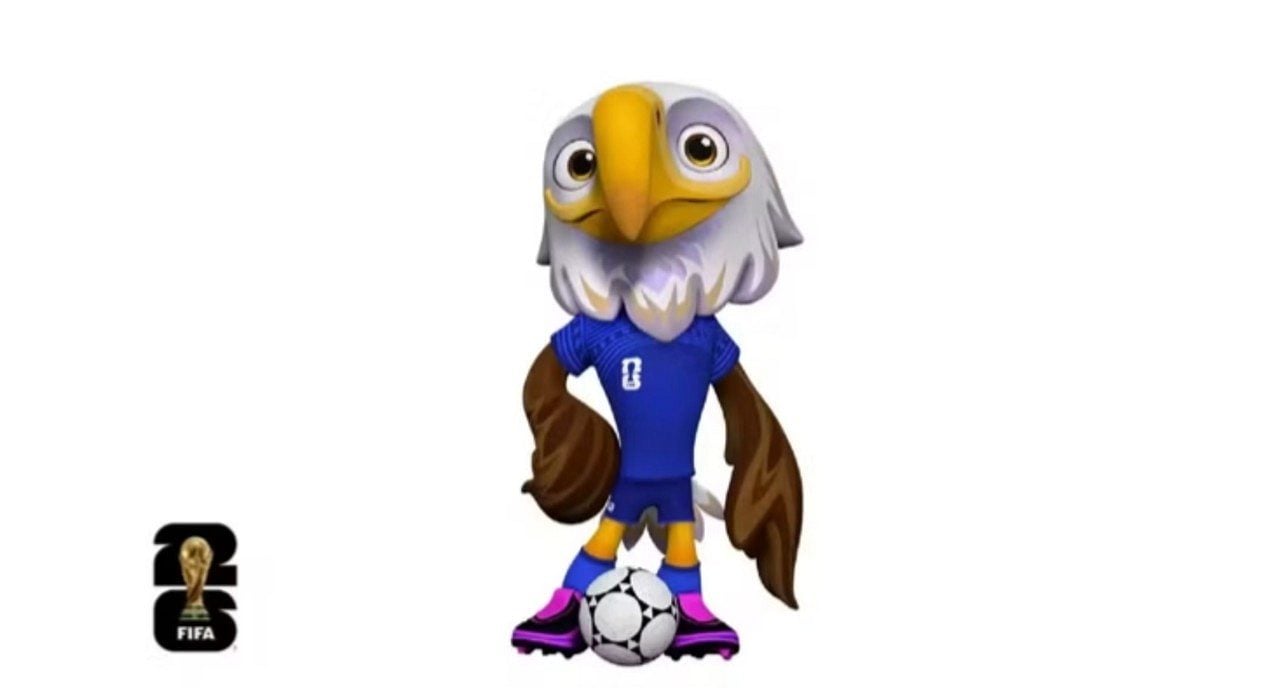
Completing the North American trio, Clutch brings the grandeur of the bald eagle to the stadiums. The bird, which sports bicolor plumage and wears the blue jersey of the United States, carries immense historical weight, as the species was made official as the country’s great national emblem in 1782. Its presence in the tournament reinforces the patriotic identity of the nation that has the largest number of host cities and will host the competition’s grand final.
Tactically, the bird of prey was positioned in the creation sector, acting as a classic midfielder who dictates the pace of the game. The mascot’s official biography describes him as an individual driven by adventure and unwavering team spirit. Extremely passionate about various sports besides football, the bird dedicates its energy to raising the technical level of its partners, ensuring that collective functioning always prevails over individual talent.
To make it easier for children and collectors to identify with the new ambassadors, the organization defined complementary tactical roles for each of them within an imaginary game scheme:
- The Canadian representative acts as the defensive base, protecting the goal with wingspan and elasticity.
- The Mexican feline plays in attacking command, using her muscular explosion to break through opponent blocks.
- The American bird dominates the central zone of the field, distributing passes with a privileged peripheral vision.
The commercial strategy involving the three characters has already begun to be implemented in licensed products, video games and digital campaigns around the world. The organizers’ expectation is that the constant interaction between the deer, the jaguar and the eagle will create a fluid narrative until the opening whistle, engaging fans of all ages and strengthening the idea of a continent united by sporting passion, regardless of the borders that separate the three nations.
