

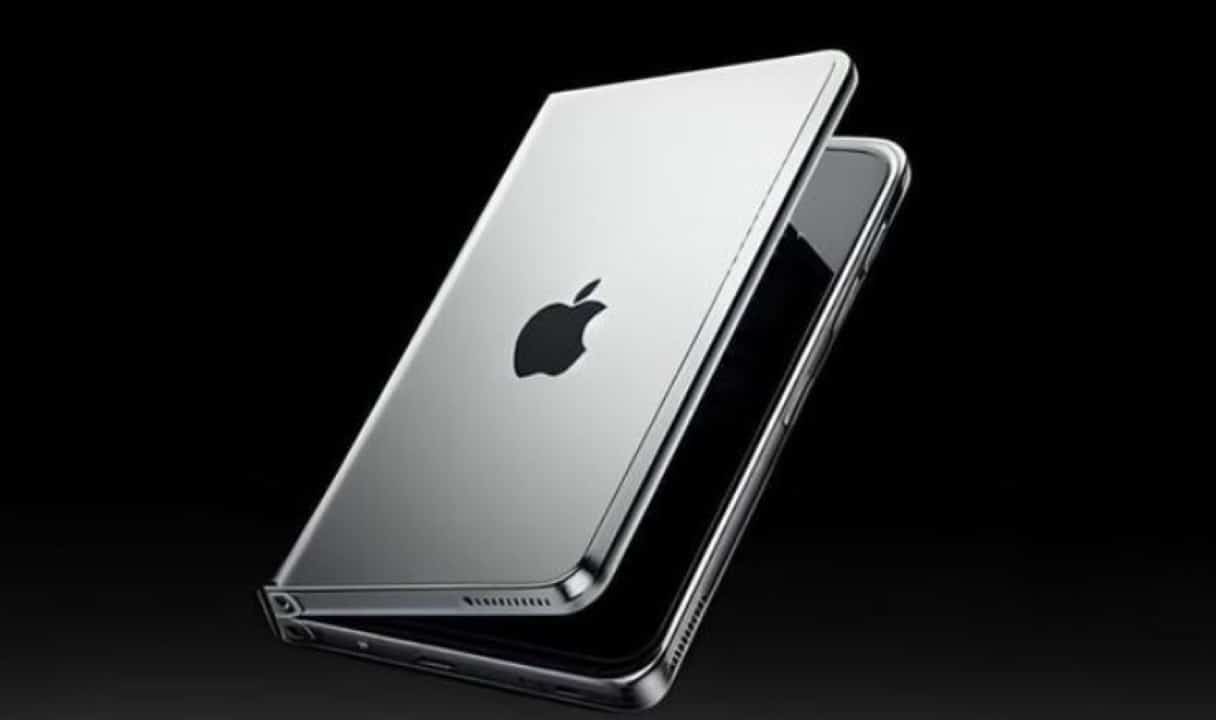
Recent three-dimensional images brought to light the possible visual aspect of Apple’s unprecedented flexible screen smartphone. Codenamed “iPhone Ultra” behind the scenes in the technology sector, the device features a book-shaped opening mechanism. The graphic representations point to a profound transformation in the North American manufacturer’s catalog. Market experts have been monitoring the movement of parts supplying factories for several months to understand the Cupertino giant’s schedule.
The development of this device seeks to solve structural flaws that have plagued the category since the launch of the first Galaxy Fold in 2019. During the introduction phase, the thickness of the chassis and energy autonomy require extreme care from engineers. Within the global luxury telephone segment, constant innovation becomes mandatory to justify the high prices charged in stores. The company’s arrival in this specific niche promises to change the current balance of forces, which is currently largely dominated by Asian corporations.

Chassis dimensions and power component specifications
Leaked information details the exact measurements of the cell phone’s metal structure. When the user keeps the device closed, the thickness reaches the 9.5 millimeter mark. When expanding the panel completely, the device’s profile drops to an impressive 4.5 millimeters. This physical configuration manages to overcome the thinness of several direct competitors that are already available on retail shelves. The engineering team worked hard to find a structural balance that makes it easy to carry in your pocket and ensures comfort during prolonged handling.
The energy storage component represents one of the project’s greatest assets. The total capacity reaches 5,800 mAh. This electrical volume easily exceeds the average found in high-end phones currently sold. Powering two light displays requires a considerable charge reserve to ensure that the consumer does not need sockets before the end of the day. The restricted internal space of flexible cell phones usually limits the size of the energy tank, but the manufacturer appears to have overcome this physical barrier by redesigning the distribution of internal parts.
The photographic set meets the rigorous demands of the public that consumes premium products. The main lens carries a sensor capable of recording images with 48 megapixels of resolution. The camera format adopts a wider aspect ratio than the standards adopted in current generations. This optical system needs to deliver visual quality equivalent to future high-cost traditional launches. Due to the extremely thin profile of the device, there is a complex debate in laboratories about how to accommodate the lens module without creating an exaggerated protrusion on the back cover.
Hinge engineering and flexible panel strength
The central articulation axis has special mechanical friction management. The crease formed in the middle of the display is just 0.15 millimeters deep. With this almost zero depression, the fold mark becomes practically imperceptible both to the touch of the user’s fingers and to the user’s vision. The creation process involved severe durability tests in controlled environments to ensure the longevity of the piece. The user experience requires that the opening movement be fluid, avoiding any obstacles during daily navigation and performing gestures on the screen.
High quality raw materials make up the device’s movement joints. The folding mechanism merges liquid metal panels with gears manufactured using three-dimensional printing. The combination of these advanced technologies ensures that the screen remains stable at different tilt angles. The hinge system is designed to be free of play, even after the owner opens and closes the phone tens of thousands of times. Parts machined with millimeter precision act as a shield to prevent dust and debris from entering the chassis.
- The thickness of the closed smartphone reaches 9.5 millimeters.
- The profile of the fully opened device measures 4.5 millimeters.
- The energy tank holds a maximum capacity of 5,800 mAh.
- The main photo sensor captures images with 48 million pixels.
A double-layer approach ensures robust protection of the light panel. The display uses ultra-thin glass combined with a custom-developed security film. This reinforced structure prevents direct impacts from causing irreversible damage to the display area. Even with the addition of these defense materials, the total weight of the equipment does not suffer a significant increase that would harm ergonomics. Excessive screen reflection remains one of the biggest concerns for consumers who are already accustomed to flexible technology.
Data processing and operating system adaptation
The operation of the equipment depends on a state-of-the-art processing unit. The internal chip adopts advanced 2-nanometer lithography. This miniaturized architecture allows the phone to perform complex tasks at high speed while consuming a smaller amount of electrical power. Thermal control works to prevent overheating when using heavy applications. In a chassis with such a reduced thickness, dissipating the heat generated by the circuits requires detailed planning from engineers.
The navigation interface has undergone adaptations to make the most of the expanded display format. The software can run two applications simultaneously using split screen mode. The user experience is very close to the productivity offered by a medium-sized tablet. When the owner opens or closes the cell phone, the system automatically adjusts the proportion of images and menus. The fluidity in these visual transitions determines the level of comfort and practical usefulness of the product in people’s routine.
Competitive landscape and market launch strategy
This model is on a direct collision course with the main launches of Asian brands. Rumors indicate that the rival Galaxy Z Fold 7 will be 4.2 millimeters thick when opened. The supposed “iPhone Air”, according to parallel speculation, would arrive with 5.6 millimeters, showing that the competition for the thinnest design remains fierce. Competing companies already reflect the experience accumulated over several generations of products. End buyers will carefully evaluate the cost-benefit ratio of this technological transition the moment they hold the devices in their hands.
The corporation maintains absolute silence about the progress of the project in its offices. Information only circulates through commercial partners and electronic component suppliers. The company’s official calendar does not yet have a set date for the public presentation of the phone. The brand’s historical strategy consists of observing the maturation of new technologies over a long period before applying them on a commercial scale. The evolution and reliability of current parts justify this late entry into such a specific market niche.
The global technology industry is waiting to see what impact this launch will have on overall sales statistics. The definitive popularization of foldable cell phones depends heavily on adoption by the Apple brand’s loyal customer base. High production costs and the final price in stores will test the viability of the initial manufacturing volume. The consolidation of this mobile format will dictate the direction of the industrial design of portable devices for the coming years.