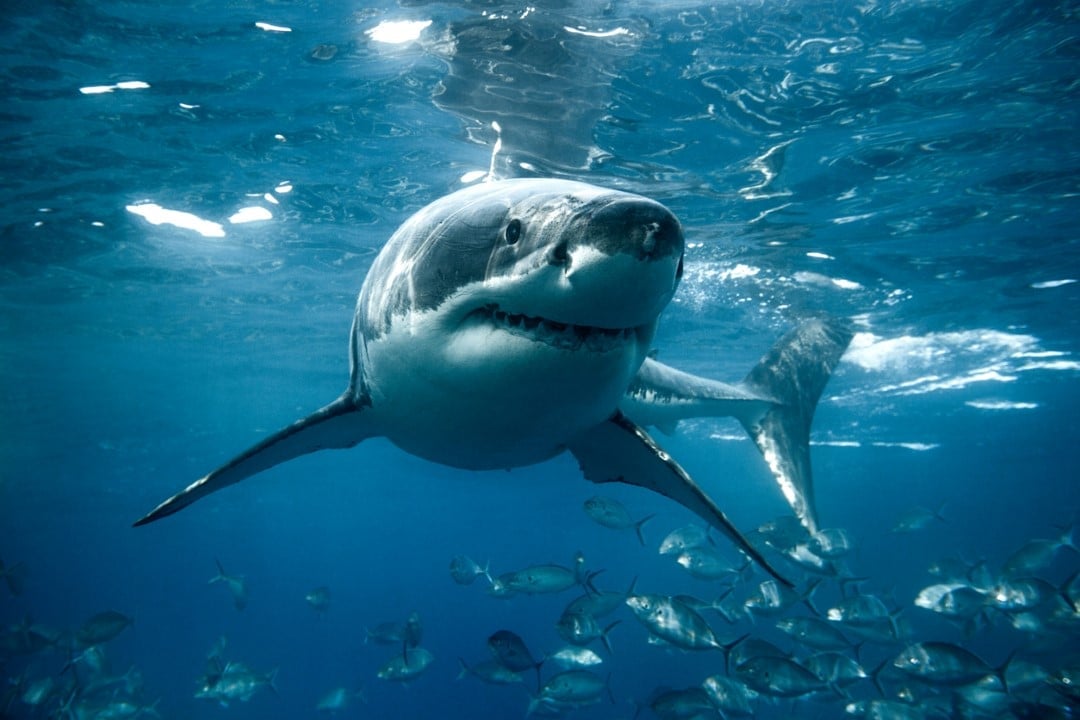
A 35-year-old woman was seriously injured by a shark on Saturday morning at Coogee Beach, one of Sydney’s most popular beaches. The victim was swimming approximately 30 meters from the shore when the animal, estimated to be 3 to 4 meters long, attacked her, leaving serious injuries to her arms and left leg.
The rescue was quick thanks to the action of bathers and a paddleboarder who was nearby. Charlie Verco, an off-duty lifeguard, caught up with the woman, who was grabbing her board, and pulled her onto the sand while the shark was still circling the area. At the scene, an off-duty doctor and lifeguards applied first aid, including tourniquets, before she was stabilized and transported by helicopter to St. Vincent’s Hospital.
Witnesses reported a large amount of blood in the water and screams of despair. The beach was immediately closed, along with others nearby, as a precaution. Randwick Council used jet skis to patrol the bay, where the shark remained for around 30 to 45 minutes before heading north.
Heroism and immediate response
The incident highlighted the readiness of civilians and professionals. Verco described the size of the animal as shocking and admitted fear, but prioritized saving. The woman remains in critical but stable condition, according to updates from authorities.
Context of recent attacks in Australia
This case comes days after the death of a 35-year-old diver attacked by a suspected 4.5 meter shark south of Perth, Western Australia. In May, another family man was killed near the same region. In the state of New South Wales, 2026 already records multiple incidents, including a fatal attack on a 12-year-old boy in Vaucluse — the first within Sydney Harbor in more than 60 years.
Australia records the second highest number of shark incidents in the world, averaging around 22 attacks per year. Since the end of the 18th century, there have been more than 1,500 records, with a fatality rate of around 21%. Species such as the great white shark are the most involved.
Protection measures and what changes
Popular beaches have monitoring drones, sirens and patrols, but the attack in Coogee — where drones were temporarily banned — prompted the New South Wales government to authorize immediate flights. The episode reinforces the debate about the expansion of these technologies and the risks for swimmers and surfers in urban areas.
Experts point out that, despite the perception of an increase, the majority of attacks are not fatal, but consecutive incidents generate concern among beachgoers.
