

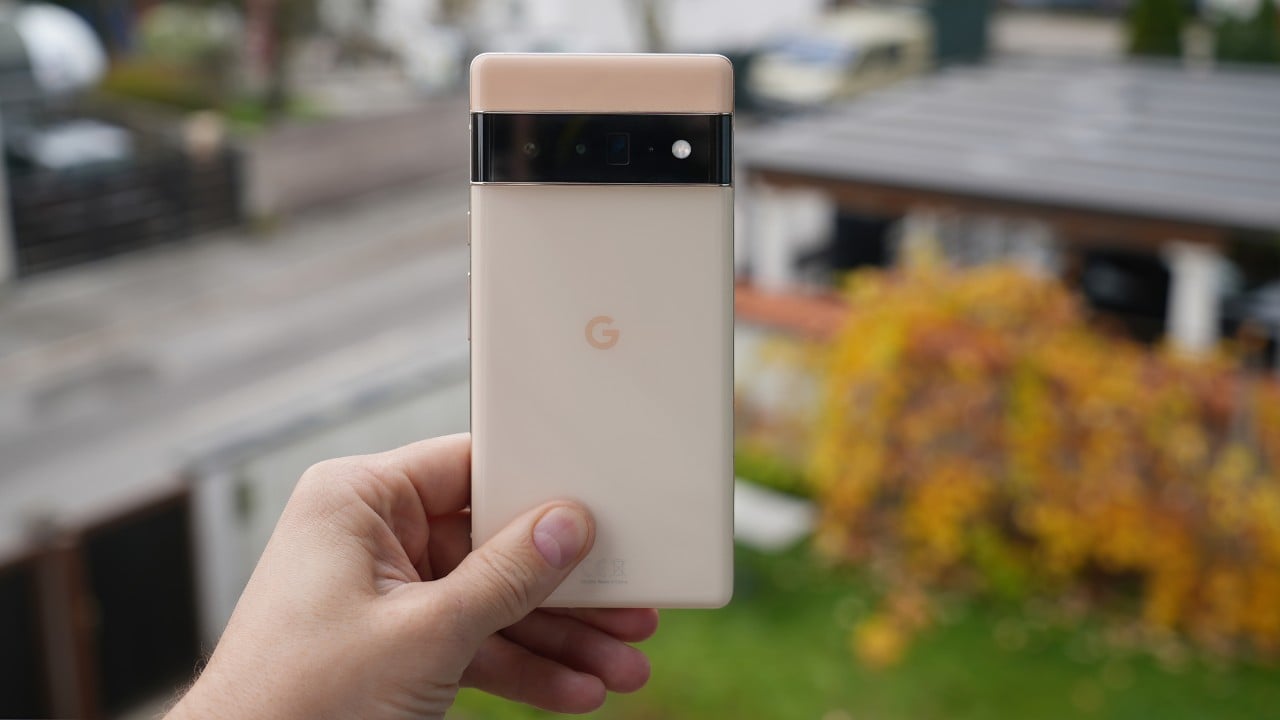
Google organized an extensive release schedule during its annual “Made by Google” event, which took place on August 12th. The company presented a series of new features that promise to shape the future of mobile technology.
Among the new features highlighted at the event were four models of the Pixel 11 cell phone, a new Pixel Watch, the company’s first location tag and improvements to Pixel Buds. A central point of the presentation was Google’s intention to enable its devices to predict and respond to user demands proactively.
These innovations promise to transform consumers’ daily lives, offering, for example, a superior performance processor. Imagine a smartphone capable of displaying flight details when a travel message is received, making the technological experience much more intuitive and connected.
Key improvements to Google’s new Pixel 11 smartphone lineup
The family of phones presented includes the Pixel 11, Pixel 11 Pro, Pixel 11 Pro XL and the foldable Pixel 11 Pro Fold. All of these devices are equipped with Google’s Tensor G6 processor and were developed taking advantage of the capabilities of Gemini Intelligence technology.
The standard model of the Pixel 11 stands out for its camera module, which is 40% more compact compared to previous versions of the Pixel. Its main camera is 48 megapixels, offering 56% more light sensitivity than the Pixel 10, and the telephoto lens with 5x zoom now achieves a Super Zoom of up to 30x.
The Pixel 11 Pro and Pro XL models come with the brightest screens ever developed by Google for the Pixel line, reaching 3,600 nits of brightness. The company has ensured that a new coating provides more than twice the scratch resistance over the previous Pro generation, and the improved telephoto camera offers up to 120x Pro zoom.
The three traditional Pixel 11 models now have 256 GB of internal storage. Google has also implemented Pixelsnap magnetic wireless charging in the Pixel 11 series, which is compatible with Qi2 and capable of delivering up to 25W charging on devices that support it, allowing for the attachment of chargers, stands and other magnetic accessories.
The Pixel 11 Pro Fold, in turn, is approximately 10% lighter and around 1 millimeter thinner than its predecessor, the Pixel 10 Pro Fold. A redesigned hinge, a new back material and a more resistant external screen give the device three times more durability, according to Google tests. These improvements, which include cameras, endurance and charging, as well as artificial intelligence, offer good reasons to upgrade.
On the same topic: Google presents new Pixel 11, Pixel Watch 5 and Pixel Tag at Made by Google
Google is also looking to make migration easier for iPhone users, with the Quick Share feature on the Pixel, which makes it possible to send and receive media with iPhones and MacBooks. The company has ensured that photos and group conversations can be transferred automatically during the migration process.
All four Pixel 11 models – Google Pixel 11, Google Pixel 11 Pro, Google Pixel 11 Pro XL and Google Pixel 11 Pro Fold – can now be purchased for pre-order. The start of sales to the general public is scheduled for August 20th.
Deeper integration of Gemini into Pixel 11 operation
Google is moving forward so that Gemini works as an assistant integrated with all the cell phone’s features, instead of just being an application. Now, Gemini is capable of performing elaborate tasks in more than 40 applications and Pixel 11 can present relevant information depending on the user’s activity.
For example, if a contact sends a message about a trip, a card with booking details and flight status may appear on the screen. The Pixel is also capable of suggesting actions based on the content of the conversation, such as proposing a dinner reservation or adding an event to the Calendar or a location on Maps.
Also new is Rambler, a voice input feature powered by Gemini that refines natural speech during transcription. This avoids the inclusion of pauses and interjections such as “hum” or “ah” in the final message, making it a practical tool for daily use.
Learn more: Pixel 11 and Galaxy S26: what changes in price, specifications and cameras for Android rivals
Most of these capabilities are made possible by Google’s new Tensor G6 processor. The company guarantees that the Tensor G6 can process artificial intelligence operations directly on the device up to 3.5 times faster, while also consuming 3.5 times less energy compared to the previous generation, according to internal tests.
Additionally, Google introduced Sign To Text, which enables the Pixel to interpret American Sign Language (ASL) through the camera. Users can use ASL to type, dialogue or interact with Gemini via the keyboard, with the feature recognizing one- or two-handed signs and facial expressions for grammar and intonation. Currently available for ASL, the functionality should be expanded to other sign languages.
New camera features on Pixel 11 that minimize screen distraction
One of the highlights presented was the Magic Capture feature. Instead of requiring the user to hit the exact moment to click the shutter button, this function analyzes approximately 400 frames from a session and delivers 12 megapixel photos with precise timing. Additionally, Magic Capture can automatically crop or blur images and save videos without the need to switch camera modes, making it ideal for photographing children or animals.
There was also an improvement in hardware, with the Pixel 11 receiving a new 48-megapixel main sensor that, according to Google, offers 56% more light sensitivity than the Pixel 10. Its telephoto lens with 5x zoom achieves a 30x Super Zoom. The Pixel 11 Pro and Pro XL models have an improved 48 megapixel telephoto camera, with a larger sensor that provides 30% more sensitivity to light, allowing a Pro Zoom of up to 120x.
Google reported that Instant Night Sight, a new function for night photos, is four times faster. This helps the Pixel capture images in low-light environments without needing to hold the phone steady for a long period of time.
A new feature, Camera Appearances, lets you select a visual style before taking the photo, with standard or custom options to enhance the image. This is attractive for those looking for an advanced camera on a smartphone.
HiLight function reintroduces visual notifications in an innovative way
Reviving the concept of old notification lights on cell phones, Google presents HiLight in an improved way on the Pixel 11 Pro and Pixel 11 Pro XL. The system uses colored LED lights around the camera’s flash that can be activated even when the device is facing downwards.
HiLight, for example, employs distinct light patterns to indicate whether Gemini is listening, processing, or responding to a request. You can even assign specific colors to important contacts, providing quick visual identification of who is calling. Google said that future updates will include message notifications from favorite contacts.
More on this story: Made by Google 2026: Google reveals new Pixel 11, Watch 5 and innovative tracker
The proposal is interesting, considering that cell phones tend to demand the user’s full attention to the screen. A responsive visual signal can convey important information without requiring complete focus. The Pixel 11 Pro Fold will also support HiLight.
How Pixel 11 enhances user control over artificial intelligence and security
Given Gemini’s expanded access to phone information, privacy emerged as a crucial theme at the event. Google assures that the Pixel offers users clarity over artificial intelligence operations and full control over the use of their data, with the option to turn AI features on or off.
Google highlighted several layers of security integrated into the Pixel 11. The device is capable of automatically blocking unwanted calls and text messages, as well as warning about possible scams in communications. The company has committed to providing seven years of automatic security updates, and an enhanced security chip aims to protect personal data stored on the device.
Pixel Watch 5 advances in monitoring user health
The Pixel Watch 5 promises to be a device to watch closely, as Google has improved its GPS. The company claims that route tracking can be up to twice as accurate compared to previous generations of the Pixel Watch, even in challenging locations. The smart watch also features 50% more RAM and a more powerful processor than the Pixel Watch 4.
Additionally, Google Health integrates Health Guardian features into the Pixel Watch 5, which track long-term changes in a user’s well-being. This covers monthly summaries with trends in blood pressure, sleep breathing quality, and insulin resistance. Google reinforces that these features are aimed at general well-being and are not intended for diagnosing or treating medical conditions.
The highlight in safety is Respiratory Emergency Detection, which uses the watch’s sensors and artificial intelligence to identify a severe and continuous reduction in oxygen saturation. If the user becomes unconscious, the device is capable of automatically calling emergency services and sending the exact location.
There is, however, an important caveat for the United States market: Respiratory Emergency Detection, present in the Pixel Watch 4 and Pixel Watch 5 in certain European countries, has not been released there. Google has indicated that it intends to expand this functionality to more nations in the future.
The Pixel Watch 5 can now be pre-ordered, with prices starting at US$399 for the 41 mm model and US$429 for the 45 mm version. Official sales are scheduled for August 20th.
Official launch of Pixel Tag, Google’s object tracker
Google officially enters the object locator sector with Pixel Tag, a small tracker ideal for keys, wallets or luggage. The device integrates with Google’s Find Hub network, which covers more than 1 billion Android devices, allowing items to be located even when the user’s phone is not nearby.
When approaching the Pixel Tag, Ultra-Wideband technology, combined with Bluetooth Channel Sounding, delivers accurate distance and direction information on compatible devices. The user can also make the Pixel Tag make a sound, and conversely, pressing the Tag button can make the phone itself ring.
Google reported that the Pixel Tag’s replaceable battery lasts for more than a year and that the device has an IP67 rating for water and dust resistance. It is possible to share a Pixel Tag with up to ten people, and, to ensure security, Android cell phones automatically alert if a device with an unknown location is following the user.
Learn more: Brightness recovery: what drives SanDisk shares in the chip market
The Pixel Tag will sell for $29 per unit or $99 for a four-pack. Pre-sales have not yet started, but Google announced that sales will begin on November 11th.
Software updates make Pixel Buds Pro 2 smarter
Instead of releasing a new version, Google chose to announce software improvements and a new color option, olive green, for the Pixel Buds Pro 2. The company claims that active noise cancellation has been improved, compensating for variations in the fit or seal to maintain effectiveness even on the move.
A smart feature allows the Buds to connect to the Pixel Watch, which, in the future, will automatically pause the audio if the watch detects that the user has fallen asleep. Google also revealed Live Translate improvements for the Pixel Buds Pro 2 and Pixel Buds 2a, scheduled for next fall. The Pixel Buds Pro 2’s new olive color will match recent Pixel devices.
The Pixel Buds Pro 2 are available for purchase, and the new Olive Green hue has already been added to the products’ color palette.
Key observations from the Google event
While Google could have prioritized the introduction of the Pixel 11 in terms of faster processors and sharper screens, the most impactful innovations focus on reducing the demand for users’ attention. Features like Magic Capture make it easy to capture photos without the experience being mediated by the screen, and HiLight can alert you to the importance of a call even before answering.
The Pixel Watch 5 also deserves attention, as its ability to trigger automatic assistance in respiratory emergencies has the potential to be a vital safety tool, although it is not yet available to consumers in the US. Pixel Tag, despite seeming late, and proactive Gemini, which uses the context of apps and conversations to anticipate useful information, could be the biggest game-changers. This convenience, however, reinforces the importance of managing privacy settings.