Discover the journey of the young woman diagnosed with a rare disease that simulates Parkinson’s
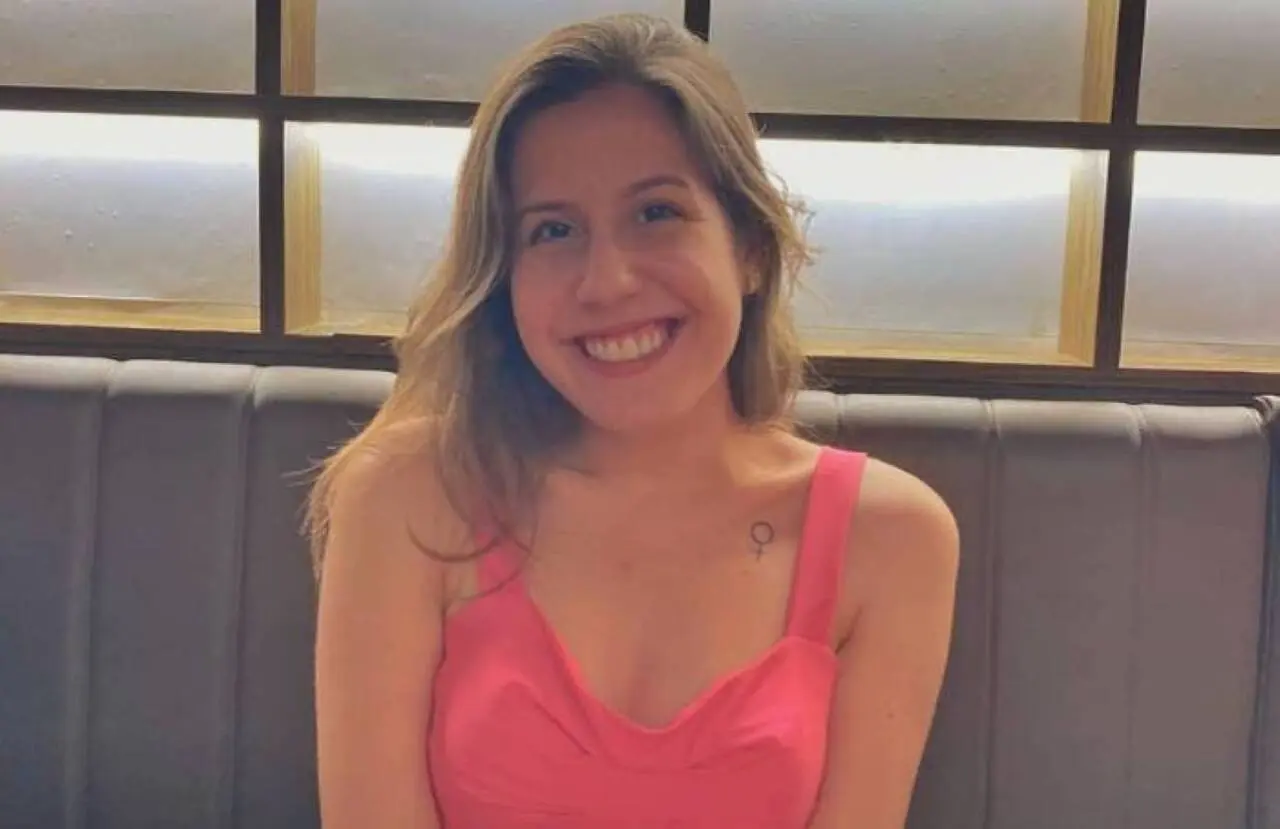
Young Maria Thereza’s life changed drastically at the age of 24, when a rare diagnosis of parkinsonian syndrome changed her routine completely. Three years later, on August 19, 2026, she shares the challenges and adaptations necessary to live with a condition that, in patients her age, manifests itself more aggressively and without a cure, mimicking the symptoms of Parkinson’s disease. At 28 years old, she tells how she has been redefining her existence and inspiring others through her experience.
The first signs and the search for medical answers
The first symptoms appeared in 2023, while returning home from college. Maria Thereza noticed that her left leg was not responding as before, causing her to limp. Initially, the young woman attributed the discomfort to the gym, imagining it was something muscular. However, the persistence of symptoms and her father’s insistence led her to seek medical help, culminating in a consultation with a neurologist.
The first medical evaluations brought to light the possibility of Parkinson’s, a word that shook Maria Thereza and her family, although the diagnosis was not yet definitive due to her young age. The doctor chose to wait for additional tests. However, the accelerated worsening of symptoms, with progressive loss of control over leg movements, led to the confirmation of parkinsonian syndrome in just three months.
Parkinsonian syndrome and the genetic condition PKAN
Parkinsonian syndrome is a set of symptoms that resemble those of Parkinson’s disease, such as muscle stiffness, involuntary tremors and motor difficulties. In cases like Maria Thereza’s, who is a young patient, the disease progresses more quickly and the response to conventional treatments is lower, making the clinical picture particularly challenging.
Maria Thereza’s tests revealed the presence of PKAN, a rare genetic condition known as neurodegeneration associated with pantothenate kinase. According to neurologist José Bauab, PKAN is not directly related to Parkinson’s, but it causes the progressive accumulation of iron in the brain. This accumulation damages the structures responsible for coordinating movements, generating the symptoms observed. Although rare, the syndrome can also affect young people due to other causes, such as cerebrovascular accidents (CVA) or early dementia.
Deep brain stimulation: an early and necessary intervention
In the years following her diagnosis, Maria Thereza’s life underwent profound transformations. She had to leave college, return to her parents’ house and start using a walker to get around. The syndrome, like Parkinson’s, has no cure and is controlled with medication to manage movement. However, Maria Thereza’s case progressed quickly, even with medication.
The need for a more drastic intervention led to DBS (Deep Brain Stimulation) surgery, just two years after diagnosis. This procedure is generally indicated for patients with Parkinson’s for more than ten years, highlighting the aggressiveness of the condition in Maria Thereza.
- Implantation of electrodes in specific areas of the brain.
- Connection of these electrodes to a small neurostimulator device.
- Reduction of symptoms such as tremors and involuntary movements through electrical impulses.
José Bauab explains that these diseases in young patients tend to be more aggressive and exhibit an inferior response to conventional clinical treatments.
Continuous adaptation and the strength to move forward
Three years after her diagnosis, Maria Thereza, now 28 years old, faces her reality with resilience. She claims that she understood the nature of her incurable illness and her desire to live a long time. Adapting to this new life is manifested in daily tasks that were previously automatic, such as cooking or leaving the house alone, but which today require planning or help.
The syndrome also affected her speech and expression, but this did not stop her from communicating. Maria Thereza uses social media to share her journey, from the first steps to diagnosis and overcoming challenges. “It’s difficult for me, but for many other people. And knowing that my story can help other people, and that they can also help me, is in a way a relief,” she said.
Despite the difficulties, Maria Thereza tries to maintain a routine close to the one she had before. She goes to the gym with professional support, works from home scanning books for a publisher and makes an effort to keep in touch with friends, even with a more unpredictable schedule. After the surgery, she participated in a street race dedicated to people with rare diseases, an experience that, despite being short, represented a long journey of persistence and not giving up.