

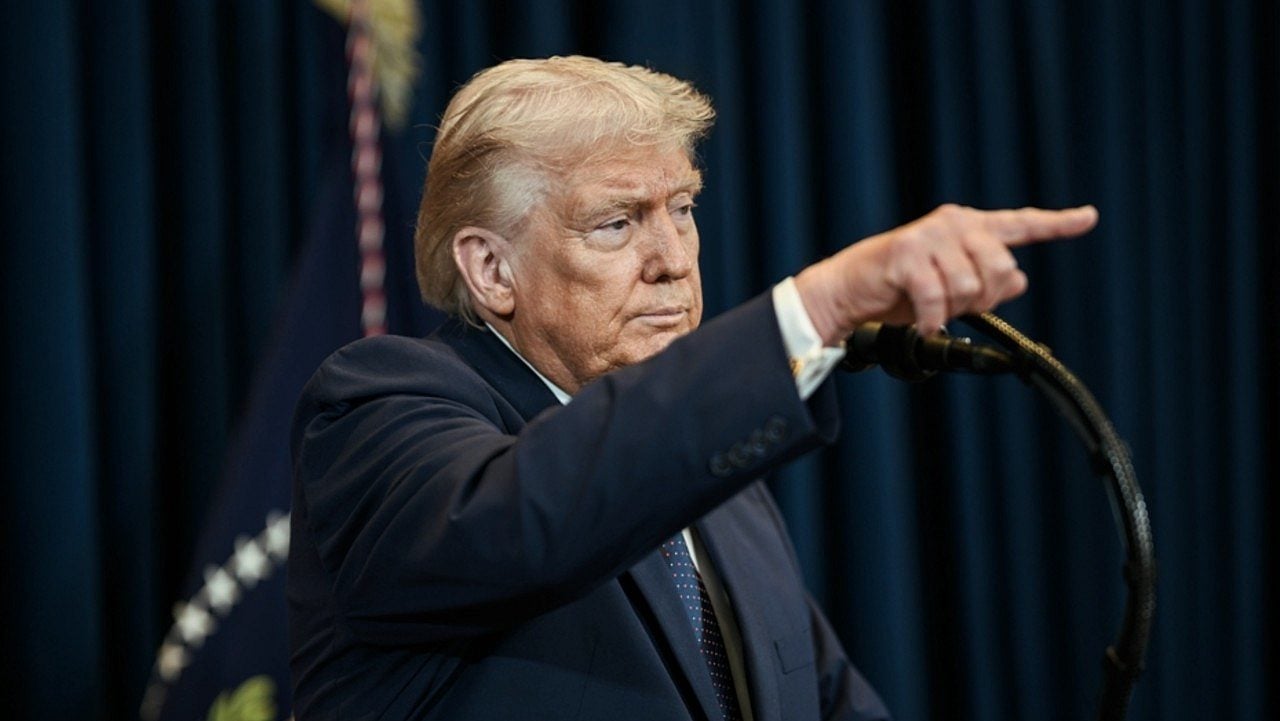
President Donald Trump barred CNN, MS NOW and Politico from White House events on September 18, 2026, blocking the three news organizations from attending official presidential briefings in Washington. The targeted outlets maintain an established record of investigative reporting critical of the Republican administration. Officials enforced the directive across the executive complex.
Trump announced the press restriction across his digital platforms without presenting formal documents or verifiable evidence to support his claims of fabricated reporting. The policy took effect immediately.
Executive ban targets prominent national news organizations
The measure removes credentials from television network CNN, cable news broadcaster MS NOW, and digital news outlet Politico as federal staff enforce strict entry rules at the gates.
The three organizations reach vast audiences through distinct distribution channels across the country. Their operational models address different segments of the media landscape:
- CNN operates as one of the largest continuous television news networks in the United States.
- MS NOW broadcasts cable programming with a center-left editorial focus to a large national audience.
- Politico directs its daily coverage toward political operations and negotiations inside Washington.
During his public announcement, Trump characterized an $8 million payment approved under Joe Biden as an illegal government transfer to Politico. That federal expenditure funded bulk subscriptions for multiple executive departments that monitored the news service daily. Trump also threatened to bar journalists from any additional media organizations that publish articles his administration classifies as untrue. The president affirmed his hardline stance against conventional journalism organizations during the broadcast.

President cites past legal victories over newsroom access
“Media outlets should not be able to constantly write or report FICTION and LIES when they are covering the President of the United States, the Trump Administration, or the United States of America,” Trump wrote. The confrontational statement reinforced a sustained campaign against mainstream newsrooms that scrutinized federal operations throughout his term.
This action mirrors exclusions from last year, when the executive branch blocked the Associated Press from Air Force One flights and excluded its reporters from official gatherings inside the Oval Office. That earlier penalty followed the news agency’s editorial decision rejecting the mandated phrase ‘Gulf of America’ in place of the Gulf of Mexico, triggering an urgent legal challenge in which a federal appeals court ultimately ruled in favor of the White House and affirmed presidential authority over media credentials. The ruling gave the executive branch greater leverage over press pool assignments.
The Republican administration dismantled the historic credentialing system previously administered by an independent correspondents association to seize direct control over access to the president. Under the former setup, that professional group managed rotating pool rosters to guarantee that diverse press outlets could witness daily executive proceedings.
New press room seating favors digital creators
White House communications staff designated specific workspaces in the official press room for podcast hosts, digital writers, and newsletter publishers. Government representatives claim this seating arrangement acknowledges technological shifts in how the public consumes news. Civil liberties organizations dispute that justification, arguing the setup prioritizes friendly commentators over adversarial reporters. The dispute has intensified friction between administrative aides and veteran journalists.
In February 2025, administrative staff prohibited reporters from Reuters and the Associated Press from attending Trump’s first official cabinet meeting. Excluded journalists contended that such restrictions violate the First Amendment of the United States Constitution, which protects freedom of the press from government suppression.