

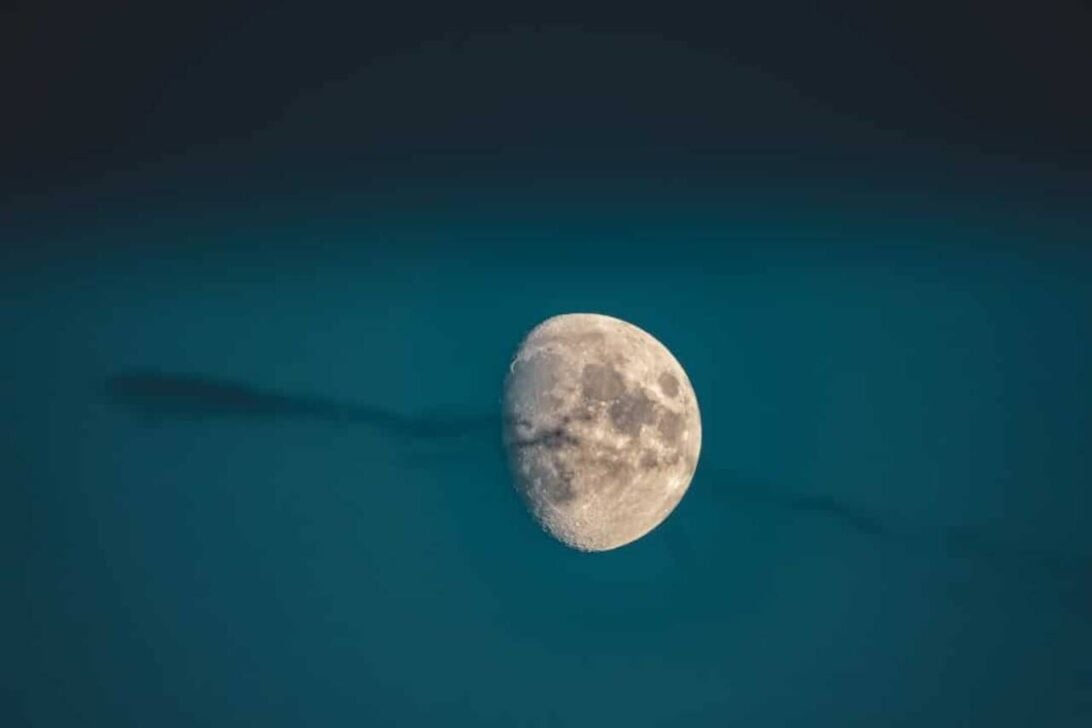
The Moon reached 50% visibility on September 18, 2026, as it entered the opening stage of its waxing phase across the night sky in Brasília. Official astronomical measurements collected by the Instituto Nacional de Meteorologia confirmed the precise progression of the celestial body during this orbital rotation.
Official timetable for September lunar transitions
The Instituto Nacional de Meteorologia tracked the start of September lunar transitions on September 4 at 04:52 with the waning phase, followed by the New Moon on September 11 at 00:27 and the Full Moon on September 26 at 13:50. The waxing crescent milestone began precisely at 17:44 on September 18 according to the official Brasília time zone. Brazilian national observation authorities maintain these official time records to monitor each scheduled astronomical shift throughout the entire calendar month.
Schedule of the four celestial stages
- Waning Moon: September 4 at 04:52
- New Moon: September 11 at 00:27
- Waxing Moon: September 18 at 17:44
- Full Moon: September 26 at 13:50
A complete lunation cycle between successive new moons spans an average duration of 29.5 days in orbital space around Earth. The natural satellite completes four primary divisions during this calculated interval, spending roughly seven days within each distinct quarter.

Intermediate stages also separate the lunar trajectory as the celestial body circles Earth on its regular path. Observers track the first quarter and the waxing gibbous before the peak illumination arrives in the night sky. The waning gibbous and third quarter follow in continuous sequence after that bright event.
The New Moon occurs when the natural satellite positions itself directly between Earth and the Sun during its journey. This planetary alignment casts all direct sunlight onto the opposite hemisphere, hiding the celestial disk from ground observers during the night.
The waxing stage emerges immediately after that dark configuration as a glowing sliver broadens across the sky. Night after night, the visible area expands as sunlight spreads over craters and rocky plains. That illuminated crescent expands steadily until half of the face shines brightly at the first quarter.
Earth aligns directly between the Sun and the Moon during the scheduled Full Moon phase in late September. That spatial arrangement allows the lunar face turned toward our planet to reflect peak solar brilliance across the horizon at sunset.
Lunar brilliance diminishes steadily after reaching maximum illumination, reducing the visible light visible to nocturnal skywatchers with each passing dawn. The satellite enters its third quarter when exactly 50% of the disc remains visible in the western sky. Darkness spreads over the surface until the orbital sequence resets at the subsequent New Moon.
The Moon remains waxing today.