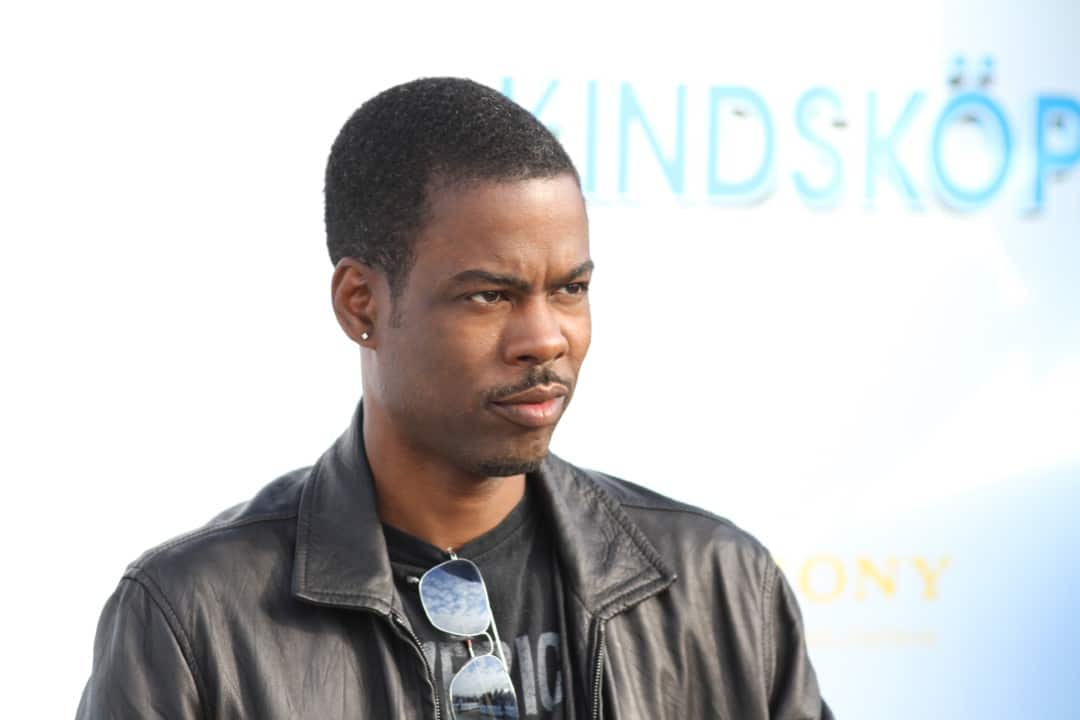
Renowned comedian Chris Rock stunned attendees when he abruptly walked off stage during a high-profile Christmas party hosted by Australian billionaire Anthony Pratt. The lavish event, held at the Mandarin Oriental Hotel in New York City, gathered a mix of influential figures from the entertainment and business worlds. Rock, celebrated for his sharp humor and bold performances, cut his set short, sparking curiosity and speculation about the reasons behind his dramatic exit.
Reports suggest that the comedian halted his act after making a controversial joke about “sending Mexicans to space.” However, the defining moment occurred when Rock spotted something in the audience that deeply upset him. He reportedly noticed unauthorized recordings of his performance, which prompted him to denounce the behavior, stating he shouldn’t be “recorded, filmed, touched, or subjected to anything that shouldn’t happen.” Moments later, he pushed through the crowd and left the venue.
A Luxurious Event Turned Awkward
The Christmas party, orchestrated by Anthony Pratt, was designed to be an exclusive celebration brimming with opulence and sophistication. Featuring a star-studded guest list and a high-profile entertainment lineup, the evening reflected the grandeur typical of billionaire-hosted events. However, Rock’s abrupt departure disrupted the festive atmosphere. In an effort to salvage the night, country music star Keith Urban took the stage and delivered a performance lasting an hour and a half.
Chris Rock, no stranger to controversy, has long been vocal about protecting the integrity of his craft. He has repeatedly opposed unauthorized recordings of his performances, especially during private events like this one. Rock argues that such practices undermine the unique experience of live shows and compromise the creative freedom of performers.
The Broader Implications for Comedy and Entertainment
Rock’s walkout sheds light on a growing concern in the digital age: the proliferation of unauthorized recordings at live events. This issue extends beyond comedy, affecting musicians and other performing artists who value the exclusivity and spontaneity of their art. Rock’s stance reflects a larger trend among entertainers advocating for stricter controls over content shared without consent.
Notable Incidents of Unauthorized Recordings:
- Dave Chappelle: The comedian enforces strict no-phone policies during his shows, often using locked pouches to prevent unauthorized recordings.
- Beyoncé: The global superstar has urged fans to enjoy her concerts without recording, emphasizing the importance of being present in the moment.
- Jack White: The musician has implemented phone-free zones at his concerts, encouraging audiences to focus entirely on the live experience.
Such measures highlight the lengths to which artists go to protect their performances from unauthorized sharing.
The Extravagance of Billionaire Parties
Anthony Pratt’s Christmas gala exemplifies the grandeur associated with billionaire-hosted events. These gatherings are known for their exclusivity and often feature:
- Elite guest lists: Invitations are reserved for top-tier influencers and celebrities.
- High-end entertainment: Renowned performers are hired for intimate shows.
- Lavish venues: Iconic locations, such as luxury hotels and private mansions, set the scene.
- Heightened security: Rigorous protocols ensure privacy and safety for attendees.
Despite their allure, such events are not immune to controversies, as demonstrated by Rock’s sudden exit.
Artists and Billionaires: A Complicated Relationship
The presence of artists at private billionaire parties raises questions about the balance between creative freedom and contractual obligations. While these gigs provide lucrative opportunities, they can also constrain performers, who may need to tailor their acts to fit the audience. For artists like Chris Rock, maintaining control over their work remains a priority, even in high-stakes settings.
Rock’s decision to leave the Mandarin Oriental Hotel underscores his commitment to authenticity and respect for his craft. This stance serves as a reminder of the challenges artists face in safeguarding their creative integrity.
The Growing Problem of Unauthorized Recordings
The incident involving Chris Rock underscores the broader challenges posed by technology in live entertainment. Unauthorized recordings:
- Disrupt the live experience: Many performers believe phone usage distracts both the audience and themselves.
- Undermine exclusivity: In private events, leaked footage can violate confidentiality agreements.
- Impact financial outcomes: The unauthorized distribution of content can reduce ticket sales and merchandise revenue.
These issues have prompted many artists and event organizers to adopt stricter policies around mobile devices.
Insights from the Entertainment Industry
According to IBISWorld, the global live events market generates approximately $30 billion annually. With the rise of recording technologies, more than 60% of luxury events in the United States now implement mobile phone restrictions, as reported by Eventbrite. This highlights the growing importance of preserving the authenticity of live performances.
Chris Rock’s firm stance on the matter resonates across the industry, reflecting the collective effort to balance technological advancements with artistic preservation.
Social Media Reactions to the Incident
The walkout quickly became a trending topic on social media, with the hashtag #ChrisRock sparking widespread debate. Fans and critics alike weighed in, with some applauding Rock’s commitment to his principles, while others questioned his handling of the situation and his controversial joke. Public figures also joined the conversation, amplifying the dialogue on the intersection of art, technology, and privacy.
Reactions from Attendees and Experts
- An attendee at the event: “It was shocking. One moment he had everyone laughing, and the next, he was gone. It was surreal, but I respect his decision.”
- Entertainment industry expert: “Chris Rock is fiercely protective of his art. This incident reflects his determination to maintain control over his narrative.”
These perspectives underscore the complexities of navigating privacy and creativity in high-profile settings.
Historical Context and Fun Facts
- Discussions around phone usage at live events gained traction in the early 2010s, coinciding with the widespread adoption of smartphones.
- Many artists, including Chris Rock, have long championed the value of live experiences, emphasizing that comedy and music lose their impact when consumed out of context.
- Rock has previously highlighted the challenges of dealing with leaked material, which often misrepresents his work.
These tidbits offer a glimpse into the evolving relationship between technology and live performance.
Industry Challenges in the Digital Age
The Chris Rock incident raises critical questions about the future of live entertainment. As technology continues to reshape the way audiences engage with art, performers and organizers face mounting pressure to preserve the integrity and exclusivity of live experiences.
