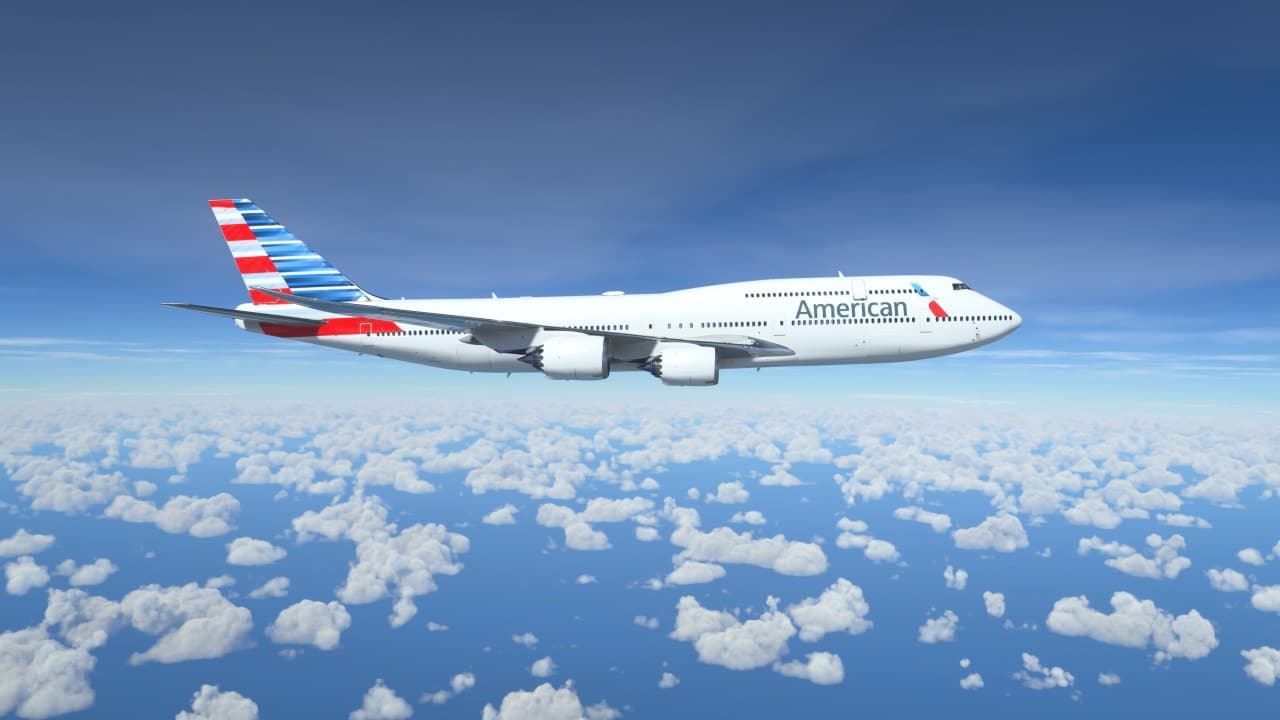
On the morning of Tuesday, December 24, 2024, American Airlines announced the complete suspension of its domestic flights in the United States due to a technical failure that affected the company’s operational systems. The decision, made during one of the busiest travel days of the year, disrupted the plans of thousands of passengers preparing for Christmas celebrations, causing delays, cancellations, and widespread uncertainty at the country’s major airports.
Official statements from the airline and the Federal Aviation Administration (FAA) confirmed that the suspension was necessary to ensure passenger and operational safety. Experts highlighted that the measure reflects the increasing complexity of the technological systems used in modern aviation and underscores the importance of effective emergency protocols. While the exact nature of the technical failure has not yet been disclosed, the company stated it is actively working to resolve the issue.
Passengers reported chaos at terminals, with long lines and a lack of clear information. Many faced difficulties rebooking flights or finding alternative transportation, while American Airlines advised its customers to monitor updates through official channels, such as the company’s website and mobile app.
Direct impact on the busiest airports
Major U.S. airports, such as Hartsfield-Jackson in Atlanta, O’Hare in Chicago, and Dallas-Fort Worth, experienced a significant increase in logistical pressure. With thousands of passengers awaiting updates about their flights, the infrastructure of terminals was put to the test, highlighting operational challenges during critical moments. According to reports, the situation at boarding gates was marked by crowding and frustration, reflecting the scale of the disruption.
The suspension affected more than 4,000 flights throughout the day, according to preliminary data. In Atlanta, considered the busiest airport in the world, cascading delays caused ripple effects on other airlines, amplifying the problem. In Dallas, American Airlines’ main hub, the suspension of flights had a disproportionate effect, impacting both international and regional connections.
The economic cost of a technical failure in aviation
The crisis faced by American Airlines raises questions about the economic impact of technical failures in commercial aviation. It is estimated that disruptions of this nature can result in multimillion-dollar losses, not only for the airline but also for the broader industry, including airports, service providers, and passengers themselves. Costs related to refunds, rebookings, and customer assistance are only part of the problem.
Additionally, delays in air cargo deliveries during a critical period like Christmas can lead to significant financial losses for retailers and logistics sectors. Studies suggest that approximately 40% of e-commerce depends on air transport to meet delivery deadlines during the holiday season.
Main challenges faced by passengers
Prolonged delays: Many passengers reported waiting over 10 hours at terminals without guaranteed boarding.
Lack of communication: Inconsistent or absent information heightened frustration for those seeking quick answers.
Additional costs: Unexpected expenses for food, lodging, and ground transportation financially impacted travelers.
Difficult rebookings: The high volume of requests overwhelmed the airline’s systems, complicating alternatives for passengers.
Emergency measures taken by American Airlines
To mitigate the damage caused by the suspension, American Airlines implemented several emergency measures. These included bolstering customer service teams at airports, expanding online support, and providing vouchers for food and lodging in cases of prolonged waiting times. The company also announced more flexible refund and rebooking policies, aiming to reduce the inconvenience.
Passengers needing to rebook flights were given priority for the first resumed operations, while those on urgent trips were directed to seek special assistance. However, operational limitations hindered an immediate response for all cases.
Curiosities about aviation failures
Although rare, technical failures like the one faced by American Airlines are not unprecedented in the industry. In 2016, a system outage at Delta Air Lines caused massive delays lasting over 24 hours.
The complexity of IT systems in airlines means that even minor errors can have widespread repercussions, affecting thousands of flights.
Studies indicate that approximately 60% of technical failures in aviation are related to software issues, while 40% stem from physical infrastructure.
American Airlines’ history in critical moments
American Airlines has faced significant challenges in the past. During the COVID-19 pandemic, the company implemented drastic changes to its operations to cope with decreased demand and health restrictions. However, the current event represents one of the most significant operational interruptions in the airline’s recent history.
In 2019, the company also faced criticism following a series of delays attributed to employee strikes and logistical issues. These events, though different in origin, highlight the need for operational resilience in such an interconnected industry.
Social and emotional impacts on passengers
For many passengers, the cancellation of flights on Christmas Eve brought not only financial losses but also deep emotional impacts. Families were separated, reunions were delayed, and celebrations were compromised. On social media, emotional accounts dominated discussions, with hashtags like #AmericanAirlinesCancelations gaining traction.
Accounts included stories of passengers embarking on long road trips as an alternative, as well as professionals missing important commitments due to delays. One passenger described the situation as “the worst Christmas nightmare” after spending over 12 hours waiting at Dallas airport without a solution.
Statistical data and industry analysis
Number of affected passengers: An estimated 350,000 passengers were directly impacted by American Airlines cancellations.
Economic losses: Experts estimate the airline could face losses exceeding $50 million due to operational interruptions.
Impact on international connections: Approximately 15% of canceled flights included connections to destinations outside the United States.
Future initiatives to prevent failures
Following the incident, American Airlines is expected to conduct comprehensive reviews of its technology systems. This may include adopting more robust backup solutions, enhanced training for technical teams, and investments in digital infrastructure. The FAA is also likely to review emergency protocols for similar events, further protecting passengers.
This event serves as a reminder of the importance of continuous investments in technological innovation and operational resilience to tackle the challenges of such a dynamic and essential industry.
