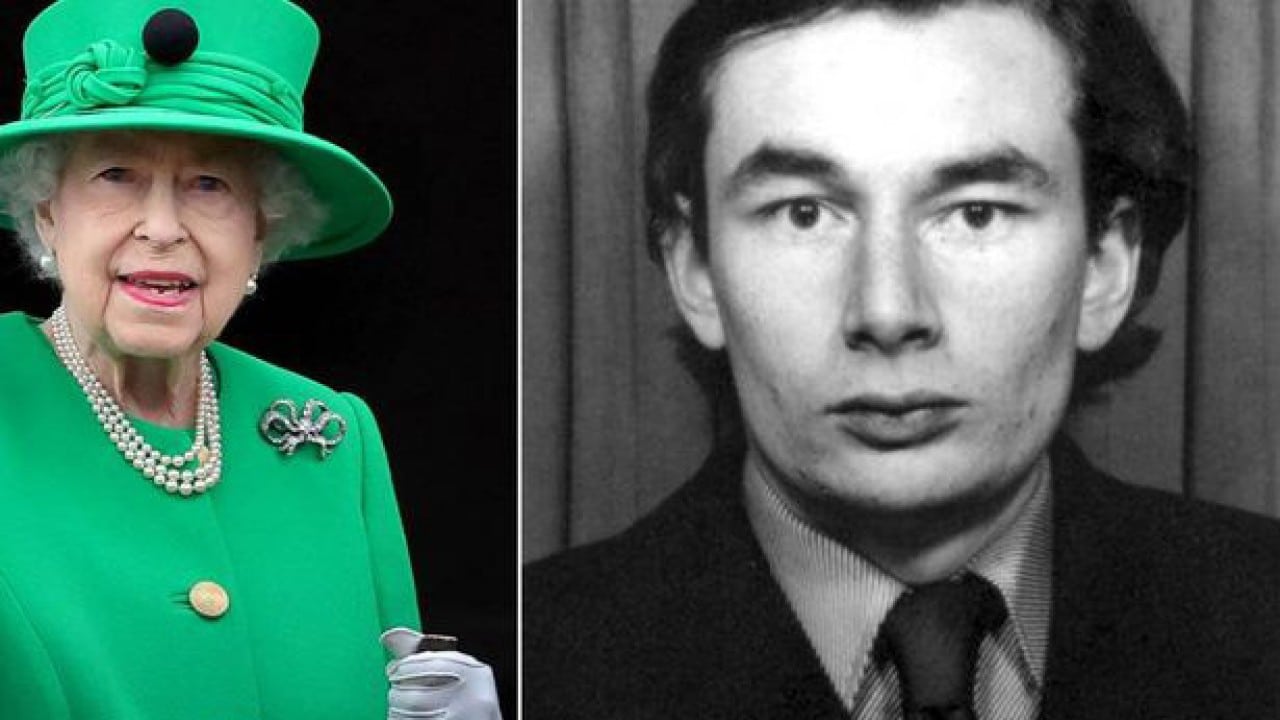
The British nobility faced a significant loss with the death of Lord Charles O’Hagan, a godson of Queen Elizabeth II, who passed away at 79 on March 23, 2025, following a severe head injury. Confirmed on April 3 by Hello! magazine, the incident shed light on the dangers of cranial trauma, with medical experts urging heightened awareness. O’Hagan, one of the late monarch’s 30 godchildren, held a special bond with the royal family since childhood, being the grandson of British politician Maurice Towneley-O’Hagan, 3rd Baron O’Hagan. Educated at Eton and Oxford, he carved out a distinguished political career, serving as a Member of the European Parliament for Devon in two terms: 1973-1975 and 1979-1994. While the exact cause of his injury remains undisclosed, his passing has sparked discussions about the risks of head trauma, particularly among the elderly.
Charles O’Hagan’s life was intertwined with both royalty and personal milestones, marked by three marriages: first to Georgian princess Tamara Imeretinsky (1967-1984), then to Mary Claire Roose-Francis (1985-1995), and finally to Elizabeth Lesley Eve Smith, his partner until his death. His fatal injury—a subdural hematoma, or blood buildup between the skull and brain—underscored the severity of such conditions, which can worsen silently and demand urgent care. In the United Kingdom, around 1.4 million people seek medical attention annually for head injuries, with older adults especially at risk due to brittle bones and slower recovery. O’Hagan’s death, less than three years after Queen Elizabeth II’s passing in 2022, resonates as a poignant moment for the royal circle.
Neurosurgeon Saul Dalla recently elaborated on the implications of traumatic brain injuries (TBI), defining them as any external impact to the skull or brain that alters anatomy or function. He stressed that symptoms might not appear immediately, emerging hours or even weeks later, necessitating vigilant monitoring. O’Hagan’s case, ending in tragedy, not only mourned a noble figure but also served as a stark reminder of the critical need for prompt attention to head trauma, amplifying a health concern that affects countless lives beyond aristocratic circles.

Lord Charles O’Hagan’s royal connection
Born Charles Towneley Strachey O’Hagan on September 6, 1945, he was the son of Thomas Edward Towneley Strachey and Lady Mary Sophia Palmer, a lady-in-waiting to then-Princess Elizabeth from 1944 to 1947. His ties to the future queen began early, as Elizabeth, still childless at the time, became his godmother. After her 1953 coronation, O’Hagan served as a page of honor from 1959 to 1962, notably participating in events like the Order of the Garter at Windsor Castle, where he was photographed holding the train of royal robes. This close relationship with the monarchy shaped his identity, even as he pursued an independent political path.
Educated at Britain’s elite Eton and Oxford, O’Hagan emerged as a Conservative politician, representing Devon in the European Parliament for nearly 17 years across two stints. His work echoed the legacy of his grandfather, Maurice Towneley-O’Hagan, a notable figure in British politics. Though active in public life, Charles kept personal matters low-key, with details of his daily routine scarce beyond his marriages and royal ties. His death in 2025, at 79, stirred memories of Elizabeth II’s reign, which spanned over 70 years until her death at 96, leaving behind a network of godchildren like O’Hagan who bridged her era to the present.
O’Hagan’s passing marks a fading link to the late queen’s legacy. As one of her 30 godchildren, he embodied a symbolic role within the royal court, a tradition that dwindled with her death on September 8, 2022. His loss, occurring in the shadow of that monumental shift, underscores the gradual closure of a historic chapter for Britain’s aristocracy.
Fatal head trauma claims royal godson
Lord Charles O’Hagan’s death stemmed from a subdural hematoma, a condition where blood pools between the skull and brain, often triggered by a blow to the head. Admitted on March 23, 2025, he succumbed to complications that same day. While the precise origin of his injury isn’t public, experts note that falls are the leading cause among the elderly, accounting for about 60% of TBI cases in the UK for those over 65. Age-related vulnerabilities, such as weakened bones, heighten the danger, turning even minor incidents into life-threatening events.
Saul Dalla, a neurosurgeon, clarified that TBIs range from mild to severe, based on the impact’s intensity and the body’s response. The Glasgow Coma Scale, a global standard, rates TBI severity—mild (13-15 points), moderate (9-12 points), or severe (3-8 points)—guiding treatment from observation to emergency surgery. O’Hagan’s rapid decline into a subdural hematoma points to a serious case, possibly requiring immediate intervention, though details of his medical care remain unreleased. Dalla noted that delayed symptoms, like confusion or unconsciousness, can obscure timely diagnosis and treatment.
In the UK, head injuries rank among the top causes of death and disability for those over 65, with over 160,000 hospitalizations yearly. The elderly face higher risks as the brain naturally shrinks, creating space for internal bleeding post-impact. O’Hagan’s death highlights a widespread issue, touching not just nobility but families nationwide grappling with similar tragedies.
Expert warns of silent dangers
Any head impact warrants close scrutiny, according to neurosurgeon Saul Dalla. He described TBI as an injury affecting the scalp, skull, or brain, with outcomes ranging from bruising to permanent neurological damage. In older adults, the risks escalate due to shrinking brain mass and fragile blood vessels, increasing the likelihood of bleeds like the subdural hematoma that felled O’Hagan. Statistics reveal that roughly 10% of TBI cases in those over 75 end in death, even with swift medical response.
The subtlety of head trauma complicates its management. Symptoms such as headaches, dizziness, or drowsiness may emerge days later, demanding ongoing vigilance. Dalla emphasized the Glasgow Coma Scale’s role in assessing urgency, directing care from simple monitoring to complex surgeries. For O’Hagan, the swift progression suggests critical brain function was compromised, leading to his death within hours of the injury’s onset.
- Factors worsening TBI in the elderly:
- Brittle bones and blood vessels.
- Reduced brain regeneration capacity.
- Higher chance of internal bleeding.
Charles O’Hagan’s political legacy
Beyond his royal ties, Lord Charles O’Hagan built a robust political career. He entered the European Parliament in 1973, representing Devon, a southwest England county known for its farming and tourism. His initial term, ending in 1975, aligned with the UK’s early years in the European Economic Community, a time of adjustment to the bloc’s framework. Returning in 1979, he served until 1994, gaining expertise in international and regional policy over nearly two decades.
O’Hagan was regarded as a practical politician, prioritizing local issues like rural development and heritage preservation in Devon. His Eton and Oxford education, paired with family influence, equipped him for public service. While not as prominent as some aristocratic peers, his steady commitment earned respect from colleagues and constituents. His death closes a chapter that blended political diligence with royal tradition, reflecting a bygone era amid modern challenges like post-Brexit dynamics.
His parliamentary tenure mirrored a transformative period for Britain. Today, as the UK navigates its post-EU identity, O’Hagan’s contributions in Devon stand as a testament to regional advocacy within a shifting European landscape, tying his legacy to both national and international currents.
Personal life shaped by three marriages
Charles O’Hagan’s personal journey was as varied as his career. His first marriage, in 1967, was to Tamara Imeretinsky, a Georgian princess, producing a daughter, Nino Natalia O’Hagan Strachey, before ending in 1984. In 1985, he wed Mary Claire Roose-Francis, a union that lasted until 1995. That same year, he married Elizabeth Lesley Eve Smith, remaining with her until his death in 2025. These relationships highlight a life of transitions, paralleling his public duties.
Nino, his daughter, remains his primary familial legacy, though little is known of her current life. She carries the Strachey name, honoring her maternal lineage. O’Hagan’s marriages, particularly his first to a foreign princess, linked him to broader European aristocracy, a trait common among Elizabeth II’s godchildren. Despite three unions, he avoided public scandals, maintaining a reserved demeanor that set him apart from more flamboyant nobles.
His private life, though less documented, drew attention with his passing. The blend of royal connections and personal milestones paints a portrait of a man who navigated both aristocratic circles and intimate relationships with discretion, leaving a quiet yet enduring mark.
Head trauma’s toll on the elderly
Traumatic brain injuries pose a rising threat to aging populations, with O’Hagan’s death serving as a stark example. In the UK, about 40% of TBI hospitalizations involve those over 65, with household falls as the primary culprit. Men account for 60% of cases, and mortality climbs to 15% for those over 75, per recent figures. Age-related conditions like osteoporosis worsen outcomes, amplifying the impact of even minor accidents.
The subdural hematoma that killed O’Hagan is especially lethal among seniors. It occurs when blood vessels rupture, pressing blood against the brain. In 2024, the UK recorded around 20,000 such cases, with a 20% fatality rate for those over 70. Delayed symptoms in many patients hinder early detection, a factor that may have sealed O’Hagan’s fate. Prevention efforts, like installing handrails and clearing home hazards, have cut incidence by 10% over five years, yet his death underscores the need for broader awareness.
Public health initiatives continue to evolve. O’Hagan’s case, though rooted in nobility, mirrors a challenge faced by thousands, urging families and caregivers to prioritize safety as populations age.
Key moments in Charles O’Hagan’s life
Significant events defined Lord Charles O’Hagan’s path from birth to death:
- September 6, 1945: Born in London to Thomas Edward Towneley Strachey and Lady Mary Sophia Palmer.
- 1959-1962: Served as a page of honor to Queen Elizabeth II.
- 1967: Married Tamara Imeretinsky, fathering daughter Nino.
- 1973-1975: First term as MEP for Devon.
- 1979-1994: Second term in the European Parliament.
- March 23, 2025: Died at 79 from a subdural hematoma.
This timeline captures a life of service and royal ties, cut short by a sudden, fatal injury that stunned Britain’s aristocracy.
Medical alert follows royal tragedy
Saul Dalla reiterated that all head injuries demand caution, especially in older adults where fragile bones and reduced brain resilience heighten risks. He advised immediate medical evaluation after any head impact, even without obvious signs, as complications like hematomas can develop gradually. O’Hagan’s swift decline exemplifies this peril, underscoring the need for proactive care.
The death of Charles O’Hagan at 79 reverberated beyond royal circles, spotlighting a public health crisis. In the UK, TBI treatment costs exceed £1 billion annually, with the elderly driving a significant share. His tragedy, rooted in a noble lineage, amplifies a universal call for prevention and vigilance, particularly as societies age.
