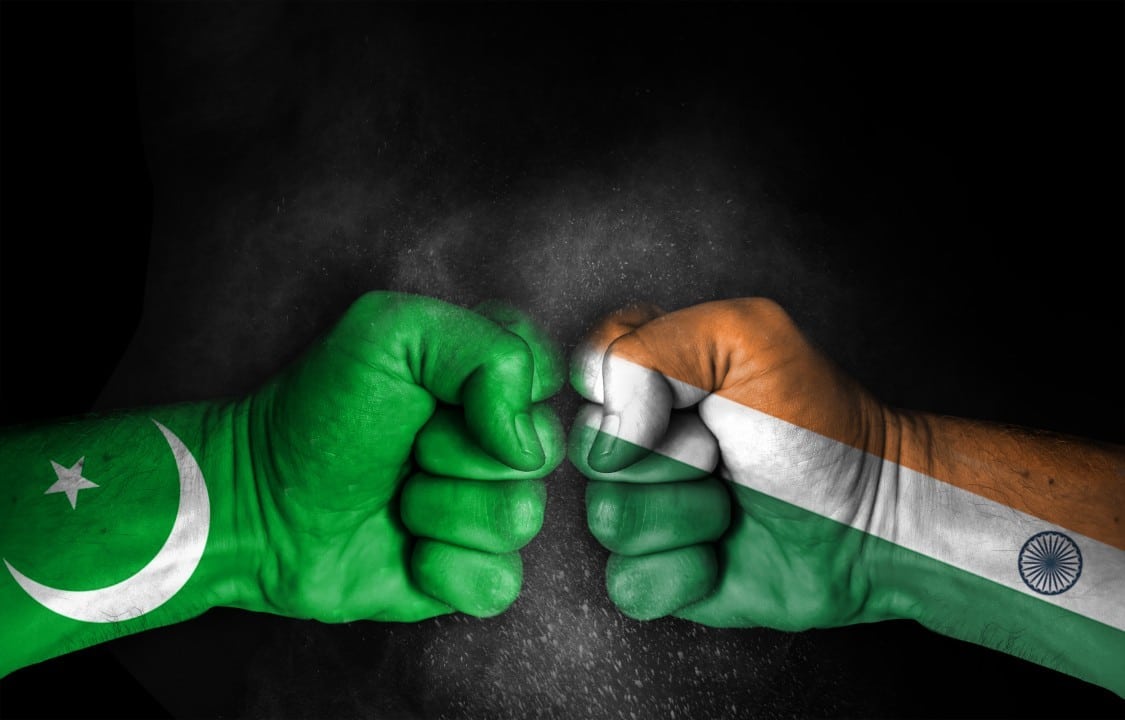
India’s military operation, dubbed Operation Sindoor, has thrust the volatile relationship with Pakistan into a new phase of tension. Launched in response to a deadly terrorist attack in Indian-administered Kashmir, the operation targeted militant infrastructure across Pakistan and Pakistan-administered Kashmir. The strikes, executed in the early hours of May 7, 2025, have sparked retaliatory actions, diplomatic fallout, and global concern. This article delves into the events, responses, and broader implications of the escalating conflict.
The operation’s name, Sindoor, draws from the red vermilion powder significant in Hindu tradition, symbolizing a bold statement from New Delhi. The strikes followed a brutal attack in Pahalgam, Kashmir, where 26 tourists, including 25 Indians and one Nepali, were killed. India’s swift response aimed to dismantle terrorist networks, but Pakistan’s counterclaims of downed Indian jets and drones have intensified the crisis.
- Key developments: India struck nine terror camps, claiming no civilian or military targets were hit.
- Pakistan’s response: Islamabad reported 31 civilian deaths and downed 25 Indian drones.
- Global reactions: Airlines rerouted flights, and the U.S. urged restraint.
- Cultural context: The operation’s name resonates deeply in India, boosting public support.
The conflict’s roots lie in decades of rivalry over Kashmir, a region both nations claim. Operation Sindoor marks a significant escalation, with both sides flexing military might and exchanging sharp rhetoric.
Operation’s origins in Pahalgam massacre
The catalyst for Operation Sindoor was a horrific attack on April 22, 2025, in Pahalgam, a scenic valley in Indian-administered Kashmir. Gunmen opened fire on tourists, killing 26 people, including a Nepali national. The attack, one of the deadliest in recent years, targeted a popular destination accessible only by foot or horseback. Indian authorities swiftly attributed the massacre to militant groups Lashkar-e-Tayyiba and Jaish-e-Mohammed, alleging Pakistan’s complicity.
New Delhi’s response was decisive. Prime Minister Narendra Modi vowed to pursue terrorists “to the ends of the earth,” signaling a robust military operation. The government downgraded diplomatic ties, suspended participation in a water-sharing treaty, and blocked social media accounts of Pakistani celebrities. These measures underscored India’s intent to isolate Pakistan diplomatically while preparing for military action.
The Pahalgam attack reignited long-standing grievances. India has consistently accused Pakistan of supporting insurgent groups in Kashmir, a charge Islamabad denies. The massacre, occurring in a region already fraught with tension, provided the impetus for Operation Sindoor’s launch.
Details of the military strikes
Operation Sindoor commenced at 1:05 a.m. local time on May 7, 2025, lasting 25 minutes. Indian forces targeted nine terrorist camps in Pakistan and Pakistan-administered Kashmir, focusing on infrastructure used for cross-border attacks. The operation involved missile strikes and drones, with India claiming precision to avoid civilian and military sites. Defence Minister Rajnath Singh later stated that at least 100 terrorists were killed.
Pakistan’s account differs sharply. Islamabad reported 31 civilian deaths and injuries to four soldiers, condemning the strikes as a “serious provocation.” The Pakistani military claimed to have downed 25 Indian loitering munition drones, including Israeli-made Harop models, on May 8. Additionally, Pakistan alleged it shot down five Indian fighter jets, a claim met with skepticism and no confirmation from India.
- Strike locations: Terror camps in Bahawalpur, Sialkot, and Pakistan-administered Kashmir.
- Indian technology: Advanced drones and missiles ensured precision, per official statements.
- Pakistan’s defense: Air defense systems in Lahore were neutralized by India.
- Casualty disputes: India denies civilian deaths; Pakistan reports significant losses.
The operation’s execution showcased India’s military capabilities, but Pakistan’s retaliatory drone and missile attempts on May 7 and 8 heightened the stakes.

Pakistan’s counterattacks and defenses
Pakistan’s military response was swift and multifaceted. On May 7, Islamabad claimed to have downed two Indian Air Force jets, though debris evidence cited by Defence Minister Khawaja Asif was questioned. By May 8, Pakistan reported intercepting 25 Indian drones and eight missiles targeting border regions, including Jammu, Punjab, and Rajasthan. These actions followed Pakistan’s failed attempts to strike 15 Indian military targets, thwarted by India’s air defense systems.
India retaliated by neutralizing a Pakistani air defense radar in Lahore, escalating the tit-for-tat exchanges. The Indian Armed Forces emphasized their commitment to non-escalation, provided Pakistan reciprocated. However, Pakistan’s Prime Minister Shehbaz Sharif directed the military to prepare for further Indian actions, signaling readiness for prolonged conflict.
The exchanges have disrupted normalcy. Sirens sounded in Kupwara and Jammu, and schools in border areas closed temporarily. Pakistan’s military conducted a training launch of a surface-to-surface missile, further stoking tensions.
Diplomatic and global reactions
The international community has watched the escalating conflict with alarm. The United States, through Senators JD Vance and Marco Rubio, urged both nations to exercise restraint. India briefed key allies, including the U.S., Russia, UK, and Saudi Arabia, on the operation’s objectives. External Affairs Minister S Jaishankar met with his Iranian counterpart, affirming India’s desire to avoid further escalation.
The International Monetary Fund expressed hope for a peaceful resolution, noting a scheduled review of Pakistan’s funding on May 9. Meanwhile, major airlines, including British Airways and Emirates, rerouted flights to avoid Pakistani airspace, citing safety concerns. This decision reflects the broader geopolitical ripple effects of the conflict.
- U.S. stance: Calls for de-escalation to prevent wider conflict.
- Airline disruptions: Over 25 flight routes through Pakistan suspended.
- Diplomatic moves: India’s briefings aimed to justify strikes.
- IMF concerns: Funding talks overshadowed by military tensions.
The global response underscores the delicate balance between supporting counterterrorism and preventing a nuclear-armed confrontation.
Public sentiment in India
In India, Operation Sindoor has garnered widespread support. The operation’s name, evoking cultural resonance, has been celebrated across political parties and media. A government-released image replaced one “O” in Sindoor with a bowl of red powder, amplifying its symbolic weight. Social media platforms buzzed with patriotic fervor, with citizens lauding the military’s precision and resolve.
Families of the Pahalgam victims expressed gratitude. Anil, a relative of victim Madhusudan Rao, praised Prime Minister Modi, stating, “This is just the beginning. Terrorists should fear attacking India.” The operation has bolstered the government’s image domestically, with all-party meetings reflecting political consensus.
However, the operation also sparked misinformation. The Press Information Bureau debunked Pakistani claims of destroying Indian brigade headquarters, urging citizens to rely on official sources. This information war has added complexity to the conflict’s narrative.
Pakistan’s domestic response
In Pakistan, the government has rallied public support by condemning India’s actions as unprovoked aggression. Defence Minister Khawaja Asif’s CNN interview, where he cited social media as evidence of downed Indian jets, drew mockery online. Critics labeled Pakistan’s claims as unreliable, with one commenter stating, “Pakistan is not a serious country.”
Pro-Pakistan social media accounts circulated misleading visuals, prompting India’s fact-checking efforts. The Pakistani military’s assertion of civilian casualties has fueled anti-India sentiment, with protests reported in major cities. Prime Minister Sharif’s directive to the army reflects a hardening stance, as domestic pressure mounts to counter India’s military advantage.
- Public protests: Demonstrations in Karachi and Lahore against Indian strikes.
- Media narrative: Pakistani outlets emphasize civilian losses.
- Government stance: Sharif vows a robust response to India.
- Social media role: Misinformation amplifies tensions on both sides.
Pakistan’s response highlights the challenge of balancing domestic expectations with international scrutiny.
Kashmir’s enduring conflict
The Kashmir region remains the epicenter of India-Pakistan tensions. Divided by the Line of Control, the region has witnessed decades of insurgency, wars, and skirmishes. The 1999 Kargil War, fought in high-altitude terrain, killed over 1,000 troops and underscored the stakes of the dispute. Both nations, nuclear-armed since 1998, face heightened risks in any escalation.
The Pahalgam attack exposed vulnerabilities in India’s security apparatus. The valley’s remoteness and tourism appeal made it a soft target for militants. India’s accusation of Pakistan’s support for groups like Lashkar-e-Tayyiba has historical precedent, with past attacks like the 2008 Mumbai siege straining relations. Pakistan’s denials have done little to assuage India’s concerns.
Local communities bear the brunt of the conflict. Farmers like Malik Khadim, living near the Line of Control, grieve losses amid escalating violence. The region’s residents face displacement, fear, and economic disruption as military actions intensify.
Military technology in focus
Operation Sindoor highlighted advancements in military technology. India’s use of precision-guided missiles and drones underscored its investment in modern warfare. The neutralization of Pakistan’s Lahore air defense system demonstrated India’s ability to target strategic assets. Conversely, Pakistan’s interception of Indian drones showcased its defensive capabilities, bolstered by Chinese and Turkish technology.
The use of Israeli-made Harop drones by India drew attention. These loitering munitions, guided by operators, are designed for high-precision strikes. Pakistan’s claim of downing 25 such drones suggests robust counter-drone systems, though the exact numbers remain contested.
- Indian arsenal: Drones, missiles, and satellite intelligence.
- Pakistan’s defenses: Chinese-made radar systems and anti-drone tech.
- Global suppliers: Israel, China, and Turkey play indirect roles.
- Technological edge: Both nations leverage advanced systems.
The technological dimension adds a layer of complexity, as both nations seek to outmaneuver each other.
Economic and trade disruptions
The conflict has disrupted economic ties. India shut down 25 flight routes through Pakistani airspace, impacting international carriers. Trade blocks and postal service suspensions have further strained bilateral relations. These measures, initiated after the Pahalgam attack, reflect India’s strategy to pressure Pakistan economically.
Pakistan’s economy, already under strain, faces additional challenges. The IMF’s upcoming review of funding could be influenced by the conflict, as global lenders prioritize stability. Border regions, reliant on cross-border trade, have seen disruptions, affecting local livelihoods.
The cultural ties between the two nations, rooted in their shared history before the 1947 partition, have also frayed. India’s blocking of Pakistani celebrities’ social media accounts symbolizes the deepening divide, despite historical bonds.
Humanitarian toll and local impact
The human cost of the conflict is stark. In Pakistan, 31 civilian deaths reported from Operation Sindoor have fueled anger. In India, the Pahalgam massacre left families shattered, with victims ranging from retirees to young travelers. Border communities live in fear, with sirens and school closures disrupting daily life.
The Line of Control remains a flashpoint. Residents like Malik Khadim, who lost his brother, face ongoing grief. The conflict’s toll extends beyond casualties, with displacement and economic hardship affecting thousands. Humanitarian agencies have called for protection of civilians, but military priorities dominate.
- Civilian losses: 31 in Pakistan, 26 in Pahalgam attack.
- Displacement: Border villages report evacuations.
- Economic impact: Local businesses suffer from disruptions.
- Grief and fear: Families on both sides mourn loved ones.
The humanitarian crisis underscores the urgency of de-escalation, though political will remains elusive.
Information warfare and media dynamics
The conflict has spilled into the digital realm, with both nations engaging in information warfare. Pakistan’s claims of downed Indian jets, amplified by social media, were debunked by India’s Press Information Bureau. Misleading visuals and unverified reports have proliferated, complicating public understanding.
Indian media outlets have framed Operation Sindoor as a triumph, with visuals of jets and explosions dominating coverage. Pakistani media, conversely, emphasize civilian suffering and India’s aggression. The polarized narratives have deepened mistrust, with both sides accusing the other of propaganda.
The role of international media, like CNN, has been pivotal. Interviews, such as Khawaja Asif’s, have exposed inconsistencies, shaping global perceptions. The information war highlights the challenge of discerning truth amid heightened tensions.
Strategic motivations and future risks
India’s decision to launch Operation Sindoor reflects a shift in its counterterrorism strategy. The operation aimed to deter future attacks by imposing a high cost on militant groups and their alleged backers. The choice of high-profile targets, like terror camps in Bahawalpur, sent a clear message to Pakistan’s establishment.
Pakistan’s response, including missile launches and drone interceptions, signals its intent to project strength. The military’s training launch of a surface-to-surface missile on May 3, 2025, was a calculated move to demonstrate readiness. Both nations’ nuclear capabilities loom large, raising the specter of catastrophic escalation.
The conflict’s trajectory depends on diplomatic efforts and international mediation. India’s briefings to global powers indicate a desire to frame the operation as a counterterrorism necessity. Pakistan’s appeals to the international community seek to portray India as the aggressor. The delicate balance between deterrence and escalation will shape the region’s stability.
