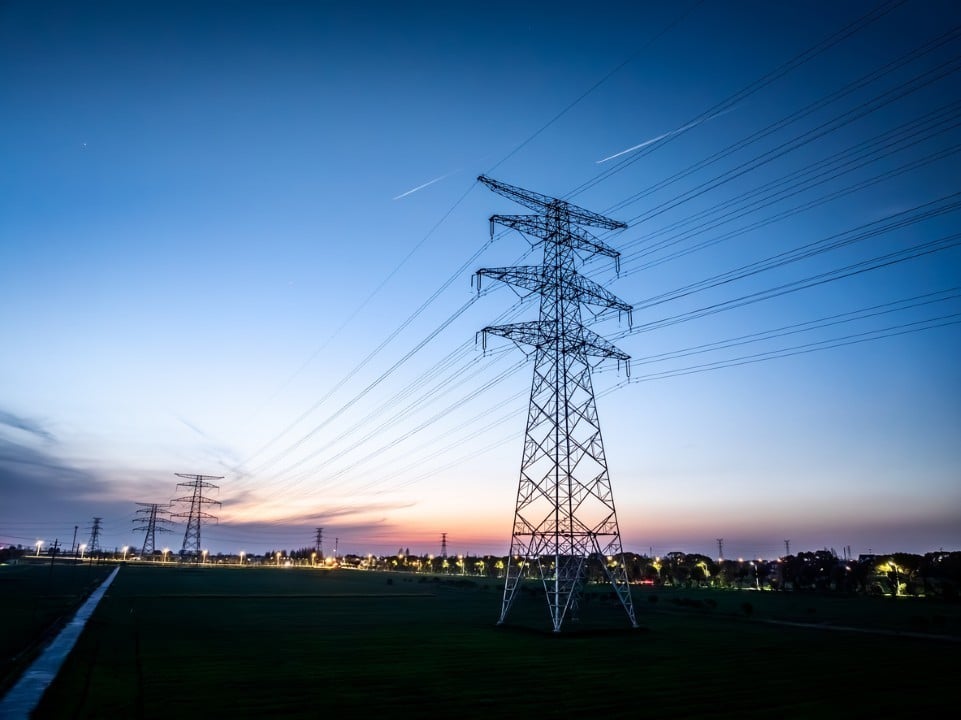
Severe thunderstorms swept through San Antonio in the early hours of Friday, May 23, 2025, leaving thousands of CPS Energy customers without power. The storms, which began around 2 a.m., brought lightning, strong winds, and heavy rain, triggering widespread outages across the city. According to CPS Energy’s outage map, 5,930 customers were affected by 71 active outages as of 7 a.m. While the National Weather Service (NWS) reported that the storms had moved out of the area by 6 a.m., the impact lingered for residents facing disrupted morning routines.
The outages varied in scale, with some neighborhoods experiencing brief interruptions and others facing prolonged blackouts. CPS Energy crews were deployed to address the damage, which included downed power lines and fallen tree limbs. The utility emphasized the challenges of working in hazardous conditions caused by the storms. Residents expressed frustration on social media, with many seeking updates on restoration times.
Here are the key details of the situation as it unfolded:
- Over 5,000 customers initially lost power, with the Eastside near China Grove reporting over 4,000 outages.
- By 7:15 a.m., the number of affected customers dropped to approximately 1,800.
- CPS Energy reported that weather-related damage, including lightning and wind, was a primary cause of the outages.
- No official restoration timeline was provided by mid-morning.
This event underscores the vulnerability of urban power grids to severe weather, particularly during Texas’s stormy spring season. As San Antonio recovers, attention turns to the efforts of CPS Energy and the broader implications for the city’s infrastructure.
Early morning chaos in San Antonio
The storms struck without warning, catching many residents off guard as lightning illuminated the night sky. CPS Energy’s outage map lit up with reports, particularly from the Eastside, where over 4,000 customers were left in the dark near China Grove. The sudden outages disrupted households, with some residents reporting issues with medical equipment reliant on electricity. By 7 a.m., the utility had not confirmed whether all outages were weather-related, but the timing of the storms strongly suggested a connection.
Social media platforms buzzed with activity as San Antonians shared their experiences. Posts on X described flickering lights, loud thunder, and concerns about food spoilage in refrigerators. CPS Energy’s customer service lines were inundated with inquiries, though the utility urged patience as crews navigated dangerous conditions. The rapid drop in outages by 7:15 a.m. to 1,800 customers indicated progress, but many residents remained without power well into the morning.
Weather’s role in the outages
Lightning and gusty winds were the primary culprits behind the widespread power disruptions. The NWS reported that the storms rolled into San Antonio around 2 a.m., bringing intense electrical activity and localized heavy rain. These conditions are notorious for damaging power infrastructure, as lightning strikes can overload circuits and winds can topple trees onto power lines.
CPS Energy noted that such weather events often lead to unpredictable outages. The utility’s crews were on standby before the storms hit, anticipating potential issues based on weather forecasts. Despite these preparations, the scale of the outages posed significant challenges. The Eastside, in particular, bore the brunt of the damage, with reports of fallen branches and debris complicating repair efforts.
Here are some factors contributing to the outages:
- Lightning strikes likely caused direct damage to transformers and power lines.
- Winds reaching up to 40 mph knocked down tree limbs, which fell onto electrical infrastructure.
- Localized flooding in some areas made it difficult for repair crews to access affected sites.
- The rapid onset of the storms limited the time for preemptive measures.
By 6 a.m., the NWS confirmed that the storms had shifted southeast, affecting the inland Coastal Plains and Brush Country. San Antonio was expected to face hot and humid conditions for the rest of the day, adding pressure on CPS Energy to restore power quickly to prevent heat-related issues for residents.
CPS Energy’s response efforts
Mobilizing repair crews in the wake of the storms was no small feat for CPS Energy. The utility deployed teams across the city, prioritizing areas with the highest number of affected customers. However, the hazardous conditions—wet roads, debris, and the risk of additional lightning—slowed progress in some neighborhoods. CPS Energy issued a statement emphasizing the safety of its workers and the need for patience from customers.
The utility’s outage map, a critical tool for residents, provided real-time updates but lacked specific restoration timelines. This absence frustrated some customers, who took to X to voice their concerns. One user posted, “No power since 3 a.m., and still no ETA from CPS Energy. How long are we supposed to wait?” Despite these complaints, CPS Energy reported steady progress, with the number of outages dropping significantly within hours.
Impact on San Antonio residents
For many San Antonians, the outages disrupted daily routines. Parents preparing children for school faced challenges without lights or functioning appliances. Small businesses, particularly on the Eastside, reported delays in opening due to the lack of electricity. Some residents with medical needs, such as those relying on oxygen machines, sought assistance from neighbors or local emergency services.
The timing of the outages, early on a Friday morning, compounded the inconvenience. With many residents preparing for the workday, the lack of power created logistical hurdles. Schools in the area, including those in Judson ISD, remained open despite the outages, though some reported minor disruptions to operations.
The following were among the reported impacts:
- Loss of refrigeration, raising concerns about food spoilage.
- Disruption of medical equipment, affecting vulnerable residents.
- Delays in business operations, particularly for small retailers.
- Challenges for remote workers reliant on internet and power.
Community centers and local organizations stepped in to offer charging stations and temporary relief for those affected. These efforts highlighted the resilience of San Antonio’s communities in the face of unexpected disruptions.
Challenges of urban power grids
San Antonio’s power infrastructure, like that of many urban areas, faces significant challenges during severe weather. Aging power lines and transformers are particularly vulnerable to lightning and wind damage. CPS Energy has invested in grid modernization in recent years, but the scale of the outages revealed ongoing vulnerabilities.
The Eastside’s high concentration of outages raised questions about disparities in infrastructure resilience across the city. Some residents speculated that older neighborhoods with above-ground power lines were more susceptible to damage. CPS Energy has not publicly addressed these concerns, focusing instead on immediate restoration efforts.
Historical patterns of storm-related outages
San Antonio is no stranger to weather-related power disruptions. Spring and summer storms frequently bring lightning and high winds, testing the city’s power grid. In 2024, similar storms left thousands without power, with CPS Energy reporting over 10,000 affected customers during a particularly severe event in June.
These recurring outages highlight the need for long-term solutions. CPS Energy has implemented measures such as tree-trimming programs to reduce the risk of falling limbs, but the unpredictability of storms remains a challenge. The utility also encourages residents to prepare for outages by keeping emergency supplies, such as flashlights and portable chargers, on hand.
Here are some notable past outages in San Antonio:
- June 2024: Over 10,000 customers lost power due to a thunderstorm with 50 mph winds.
- April 2023: A lightning storm caused outages for 7,500 customers citywide.
- September 2022: Tropical storm remnants led to 6,000 outages in Bexar County.
- May 2021: High winds and hail disrupted power for 8,200 customers.
These events underscore the recurring nature of storm-related disruptions and the importance of preparedness.
Community reactions and resilience
San Antonians demonstrated their adaptability in the face of the outages. Neighbors shared resources, such as extension cords and generators, to help those in need. Local businesses, including coffee shops and restaurants with backup power, became impromptu gathering spots for residents seeking Wi-Fi and charging stations.
Social media played a significant role in keeping the community informed. X posts provided real-time updates on outage locations and restoration efforts, with some users sharing tips for coping without power. One user wrote, “Pro tip: Keep a car charger handy for your phone during outages like this.” These interactions fostered a sense of solidarity among residents.
Role of weather forecasting
The NWS’s role in tracking the storms was critical for CPS Energy’s preparedness. Forecasts issued on Thursday evening warned of potential thunderstorms, allowing the utility to position crews strategically. However, the intensity of the storms exceeded expectations, leading to more outages than anticipated.
The NWS’s 6 a.m. update confirmed that the storms had moved out of San Antonio, providing relief for repair crews. The forecast of hot and humid conditions for the rest of Friday underscored the urgency of restoring power, as residents without air conditioning faced uncomfortable indoor temperatures.
Infrastructure vulnerabilities exposed
The outages highlighted the fragility of San Antonio’s power grid during extreme weather. Above-ground power lines, common in many parts of the city, are particularly susceptible to wind and lightning damage. CPS Energy has explored undergrounding some lines, but the high cost of such projects has limited progress.
The Eastside’s disproportionate share of outages sparked discussions about equity in infrastructure investment. Community leaders called for greater attention to underserved neighborhoods, where power disruptions can have a more significant impact. CPS Energy has not announced specific plans to address these concerns but continues to prioritize grid reliability.
Ongoing restoration efforts
As of mid-morning on May 23, CPS Energy continued to make progress in restoring power. The utility’s crews worked tirelessly, navigating debris and wet conditions to repair damaged infrastructure. The rapid reduction in outages from 5,930 to 1,800 customers within hours demonstrated the effectiveness of these efforts.
Residents were advised to report outages through CPS Energy’s website or customer service line. The utility also encouraged energy conservation to reduce strain on the grid as repairs continued. While some neighborhoods regained power quickly, others faced longer waits, particularly in areas with extensive damage.
Preparedness for future storms
San Antonio’s experience with the May 23 storms serves as a reminder of the importance of preparedness. CPS Energy recommends that residents maintain emergency kits with essentials like batteries, non-perishable food, and water. The utility also offers outage alerts through its mobile app, allowing customers to stay informed during disruptions.
Community organizations emphasized the need for vulnerable populations, such as the elderly and those with medical needs, to have backup plans for power outages. Local shelters and cooling centers were prepared to open if the outages persisted into the hotter parts of the day.
Here are some tips for residents to prepare for future outages:
- Keep a stock of batteries and flashlights for emergency lighting.
- Charge electronic devices in advance when storms are forecasted.
- Identify nearby cooling centers or shelters for heat-related emergencies.
- Store non-perishable food and water for short-term disruptions.
- Register medical devices with CPS Energy for priority restoration.
As San Antonio moves forward, the focus remains on restoring power and strengthening the city’s resilience to future storms. CPS Energy’s ongoing efforts and the community’s adaptability will play a critical role in navigating the challenges of Texas’s unpredictable weather.
