
Electronic Arts canceled its highly anticipated Black Panther video game, developed by Cliffhanger Games, and closed the Seattle-based studio on May 28, 2025, as part of a strategic pivot to focus on high-growth franchises like Battlefield, The Sims, Apex Legends, and Skate. The announcement, made by Laura Miele, EA Entertainment president, included layoffs across Cliffhanger and EA’s mobile and central teams, with the number of affected employees lower than the 300 cut in April during the cancellation of a Titanfall project. Founded in 2023, Cliffhanger was led by Kevin Stephens, formerly of Monolith Productions, and staffed by veterans from Middle-earth: Shadow of Mordor, Halo, and God of War. The Black Panther game, a third-person open-world action-adventure, was part of a three-title Marvel deal that includes an Iron Man game still in development. EA is working to reassign affected staff to other internal projects. The decision aligns with CEO Andrew Wilson’s emphasis on prioritizing established franchises over licensed titles, reflecting broader industry trends amid economic pressures.
The Black Panther project, announced in July 2023, was in early development with no gameplay or trailers released. Social media reactions highlighted fan disappointment and industry concerns over recurring layoffs. The cancellation underscores EA’s shift away from riskier licensed IPs, focusing instead on proven revenue drivers.
- Key details:
- Cancellation announced on May 28, 2025.
- Cliffhanger Games, founded in 2023, shuttered.
- Layoffs across mobile and central EA teams, number undisclosed.
- Part of a three-game Marvel deal, including Iron Man.
Planned game features
The Black Panther game was envisioned as a third-person action-adventure with an open-world Wakanda setting, allowing players to embody the Black Panther. Job listings from 2023 revealed plans for an “Open Story” system, integrating dynamic dialogue and interconnected narratives for an immersive experience. Under Kevin Stephens’ leadership, the project aimed to deliver a definitive Black Panther story, leveraging the expertise of developers from titles like Call of Duty and God of War.
Development was in its infancy, with Cliffhanger still hiring in 2024. The lack of public assets, such as concept art or demos, indicated significant hurdles, leading to EA’s decision to halt the project. The cancellation reflects the high costs and risks of open-world games, especially for licensed IPs without guaranteed market success.
EA has not disclosed the project’s budget or development milestones, but industry estimates suggest early-stage AAA games require tens of millions in investment, a factor likely influencing the decision.
- Intended features:
- Open-world Wakanda exploration.
- “Open Story” system for dynamic narratives.
- Third-person action-adventure gameplay.
- Team with experience from major franchises.
Cliffhanger Games background
Established in 2023 to coincide with the 57th anniversary of the Black Panther character, Cliffhanger Games was a Seattle-based EA studio dedicated to the Marvel project. Led by Kevin Stephens, who directed Middle-earth: Shadow of Mordor, the studio boasted a team of industry veterans from Halo, Call of Duty, and God of War. EA positioned Cliffhanger as a hub for diverse voices, aiming to craft an authentic Black Panther experience.
Despite its ambitious start, the studio operated for less than two years before EA’s closure decision. The shutdown aligns with a pattern of short-lived studios in the gaming industry, as seen with closures like Monolith Productions, which lost its Wonder Woman project in 2025. Cliffhanger’s dissolution highlights the volatility of new studios tasked with high-stakes projects.
The studio’s closure has sparked discussions about the sustainability of specialized teams, with industry professionals urging better support for creative ventures.
EA’s strategic shift
EA’s cancellation of Black Panther and closure of Cliffhanger stem from a directive to prioritize franchises with proven market performance. Laura Miele’s internal memo emphasized focusing “creative energy” on Battlefield, The Sims, Apex Legends, and Skate, alongside select new projects like Iron Man and Star Wars: Jedi. The company reported $1.8 billion in Q4 2025 revenue, exceeding forecasts, but allocated $2.5 billion to stock buybacks, signaling caution with speculative investments.
CEO Andrew Wilson has advocated reducing reliance on licensed IPs, favoring EA-owned properties and sports titles like EA Sports FC and College Football, which drove record profits in 2025. The underperformance of Dragon Age: The Veilguard further prompted EA to streamline its portfolio, cutting projects with uncertain returns.
The decision reflects broader industry challenges, with rising development costs and market saturation pushing publishers toward safer bets. EA’s focus on live-service models and established IPs aims to stabilize revenue amid economic uncertainty.
- Prioritized franchises:
- Battlefield, set for a 2026 release.
- The Sims, with strong Q4 performance.
- Apex Legends, planning major updates.
- Skate, in testing for future launch.
Layoffs and staff support
EA’s layoffs impacted Cliffhanger’s team and parts of its mobile and central divisions, though the exact number remains undisclosed. The cuts are smaller than the 300 layoffs in April 2025, which affected Respawn Entertainment during the Titanfall cancellation. Laura Miele stated that EA is actively seeking to place affected employees in other roles, citing past successes in reassigning staff.
This marks EA’s third layoffs round in 2025, following cuts in January at BioWare and April at Respawn. In 2024, EA reduced its workforce by 670 and canceled a Star Wars shooter, part of a broader restructuring. Despite these reductions, EA reported a net increase of 800 employees by March 2025 compared to 2024.
Social media posts from developers criticized the layoffs, highlighting job insecurity in gaming. The United Videogame Workers syndicate has gained traction, advocating for better labor protections in response to industry-wide cuts.
Community and industry reactions
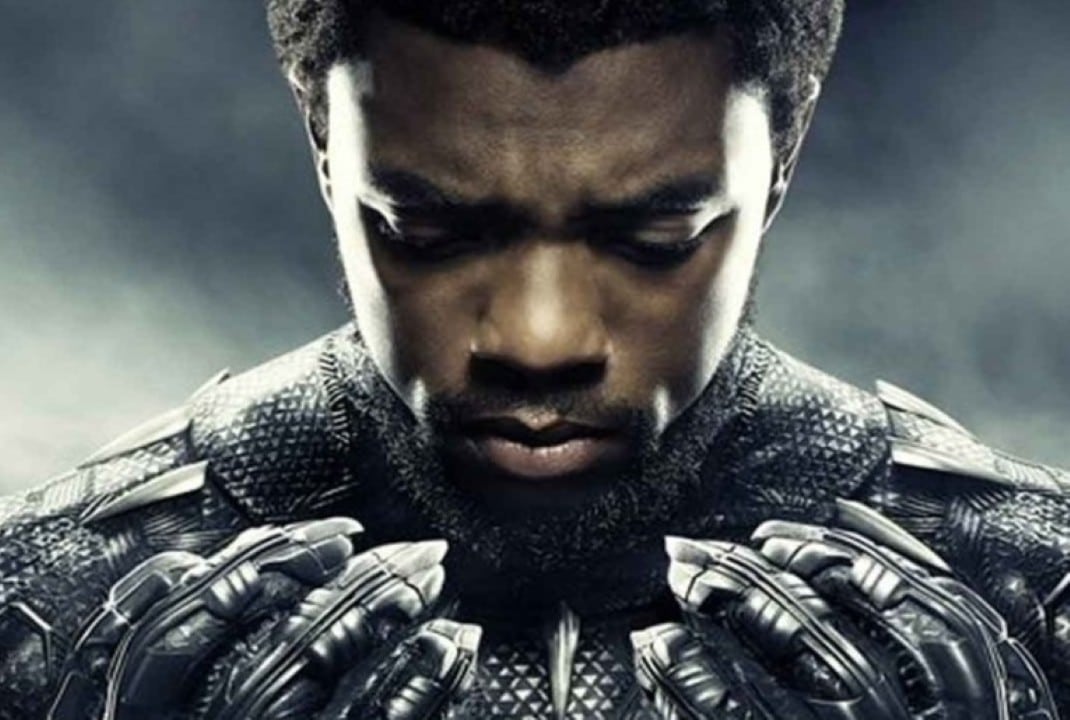
The Black Panther cancellation sparked significant backlash online, with fans lamenting the lost chance to explore Wakanda in an open-world format. Posts on X, including one from @screenrant with 86% positive engagement, expressed frustration with EA’s focus on established franchises. Industry professionals, including indie developers, voiced concerns about the human toll of layoffs and the premature closure of studios like Cliffhanger.
Fans speculated about the game’s potential, envisioning narratives featuring T’Challa, Shuri, or Killmonger. The absence of a trailer amplified disappointment, as no tangible glimpse of the project was shared. The Marvel 1943: Rise of Hydra game, featuring Azzuri in a WWII setting, has become the primary alternative for Black Panther fans, though it lacks the open-world scope of EA’s project.
The gaming community’s response underscores broader discontent with the industry’s risk-averse strategies, with calls for more investment in diverse IPs and creative teams.
- Social media sentiment:
- 86% approval for posts mourning the cancellation.
- Criticism of EA’s franchise-focused strategy.
- Support for the United Videogame Workers syndicate.
- Hype for Marvel 1943: Rise of Hydra as an alternative.
Marvel partnership details
The Black Panther game was part of a three-title deal between EA and Marvel, signed in 2022. The agreement includes an Iron Man game by Motive Studio, creators of the Dead Space remake, and an unannounced third project. The cancellation of Black Panther leaves the Iron Man game as the flagship of the partnership, with EA confirming its continued development for a potential 2026 release.
The Marvel deal aimed to leverage the success of superhero games like Marvel’s Spider-Man, but EA’s pivot away from licensed titles suggests skepticism about their long-term viability. The Iron Man project, described as a third-person action game, benefits from Motive’s established track record, unlike the untested Cliffhanger.
Speculation about the third Marvel game persists, with fans suggesting characters like Doctor Strange or the X-Men, though EA has not provided details. The Black Panther cancellation may prompt Marvel to reassess its partnership with EA, seeking publishers with greater commitment to licensed IPs.
Industry-wide cancellations
The Black Panther cancellation fits into a wave of project terminations in 2025. Warner Bros. scrapped a Wonder Woman game and closed Monolith Productions, while Behaviour Interactive canceled Dead by Daylight’s Project T, shutting down its studio. In April 2025, EA halted a Titanfall project, and in 2024, it axed a Star Wars shooter by Respawn. These decisions reflect a cautious approach amid rising AAA game budgets, often exceeding $100 million.
The gaming industry saw over 10,000 layoffs in 2025, per United Videogame Workers estimates, with major publishers like Ubisoft and Activision Blizzard also cutting staff. The trend highlights a shift toward live-service games and sequels, reducing opportunities for new IPs or experimental projects like Black Panther.
Cliffhanger’s closure mirrors cases like Crystal Dynamics, which faced layoffs after Tomb Raider, underscoring the fragility of mid-sized studios in a consolidating market.
- Notable 2025 cancellations:
- Wonder Woman game by Monolith Productions.
- Dead by Daylight’s Project T by Behaviour Interactive.
- Titanfall project by Respawn Entertainment.
- Star Wars shooter, canceled in 2024 by Respawn.
Kevin Stephens’ role
Kevin Stephens, Cliffhanger’s studio head, was a key figure in the Black Panther project. With a background as vice president at Monolith Productions, where he led Middle-earth: Shadow of Mordor and Shadow of War, Stephens joined EA in 2021 to helm the Marvel project. His vision for an authentic Black Panther experience raised expectations, given his track record with narrative-driven games.
Following Cliffhanger’s closure, Stephens’ next role at EA is unclear, though his expertise could benefit projects like Iron Man or Star Wars: Jedi. His career, marked by transitions through canceled projects, reflects the challenges faced by creative leads in a volatile industry. The loss of Stephens’ team, including talent from Halo and Call of Duty, is a significant blow to EA’s creative pool.
Black Panther fan expectations
Fans of Black Panther were eager for a solo game, having seen the character in supporting roles in Marvel’s Avengers and Marvel vs. Capcom. The promise of an open-world Wakanda, potentially featuring T’Challa, Shuri, or Okoye, fueled excitement since the 2023 announcement. Social media posts envisioned a game rivaling Marvel’s Spider-Man, with vibrant visuals and a rich narrative.
The cancellation left fans without closure, as no gameplay was shown. Speculative fan art and story concepts circulated online, emphasizing the desire for a culturally significant game. Marvel 1943: Rise of Hydra, led by Amy Hennig and featuring Azzuri, offers a historical take on Black Panther but lacks the modern, open-world appeal of EA’s project.
- Fan aspirations:
- Open-world Wakanda with dynamic gameplay.
- Story centered on T’Challa or supporting characters.
- Visual and narrative fidelity to Black Panther’s lore.
- Comparisons to Marvel’s Spider-Man’s success.
Challenges of licensed games
The Black Panther cancellation highlights the risks of licensed games, which require substantial investment and face high expectations. While Marvel’s Spider-Man and Batman: Arkham succeeded, many licensed titles struggle to balance creative ambition with commercial viability. EA’s retreat from such projects, as articulated by Andrew Wilson, prioritizes IPs with predictable revenue, like EA Sports titles.
The decision contrasts with EA’s ongoing Star Wars: Jedi series, which benefits from an established fanbase. Licensed games like Black Panther, without prior gaming success, face scrutiny in a market favoring sequels and live-service models. Other publishers, like Warner Bros., have similarly scaled back licensed projects, as seen with Wonder Woman’s cancellation.
The Iron Man game remains a test case for EA’s Marvel partnership, with its success likely determining the fate of the third unannounced title.
EA’s ongoing projects
EA’s portfolio now centers on a streamlined set of franchises and select new titles. The Iron Man game, developed by Motive, is a flagship project, aiming for a 2026 release. Star Wars: Jedi, by Respawn, targets 2027, while BioWare advances the next Mass Effect. Battlefield and The Sims are set for major updates, and Skate is in testing for a revival.
EA’s sports division, including EA Sports FC and College Football, continues to drive revenue, with 2025 marking record sales. Mobile titles like The Sims Mobile and Apex Legends Mobile persist despite cuts to mobile teams. The focus on these projects signals EA’s intent to minimize financial risk while maximizing market impact.
- Active projects:
- Iron Man by Motive Studio.
- Star Wars: Jedi by Respawn Entertainment.
- Mass Effect by BioWare.
- Updates for Battlefield, The Sims, and Skate.
Industry stability concerns
The Cliffhanger closure and Black Panther cancellation have fueled debates about the gaming industry’s stability. Over 10,000 layoffs occurred globally in 2025, per United Videogame Workers, with EA, Ubisoft, and Activision Blizzard among the top contributors. The rise of syndicates like United Videogame Workers reflects growing demands for job security and fair labor practices.
Developers on X shared frustrations over canceled projects, citing profit-driven decisions as stifling innovation. EA’s “growth opportunities” rhetoric has been criticized as masking aggressive cost-cutting. The industry’s shift toward live-service games and sequels limits space for new IPs, raising questions about long-term creativity.
Legacy of Black Panther project
Though never released, the Black Panther game inspired discussions about African representation in gaming. Cliffhanger’s commitment to diverse voices promised an authentic portrayal of Wakanda, a rare focus in AAA titles. The project’s concepts may influence future Marvel games, though EA has not confirmed plans to repurpose its assets.
Fans now look to Marvel 1943: Rise of Hydra, set for 2026, to deliver a Black Panther experience, albeit in a different context. The cancellation underscores the challenges of bringing culturally significant IPs to gaming, particularly under the pressures of modern development cycles.
