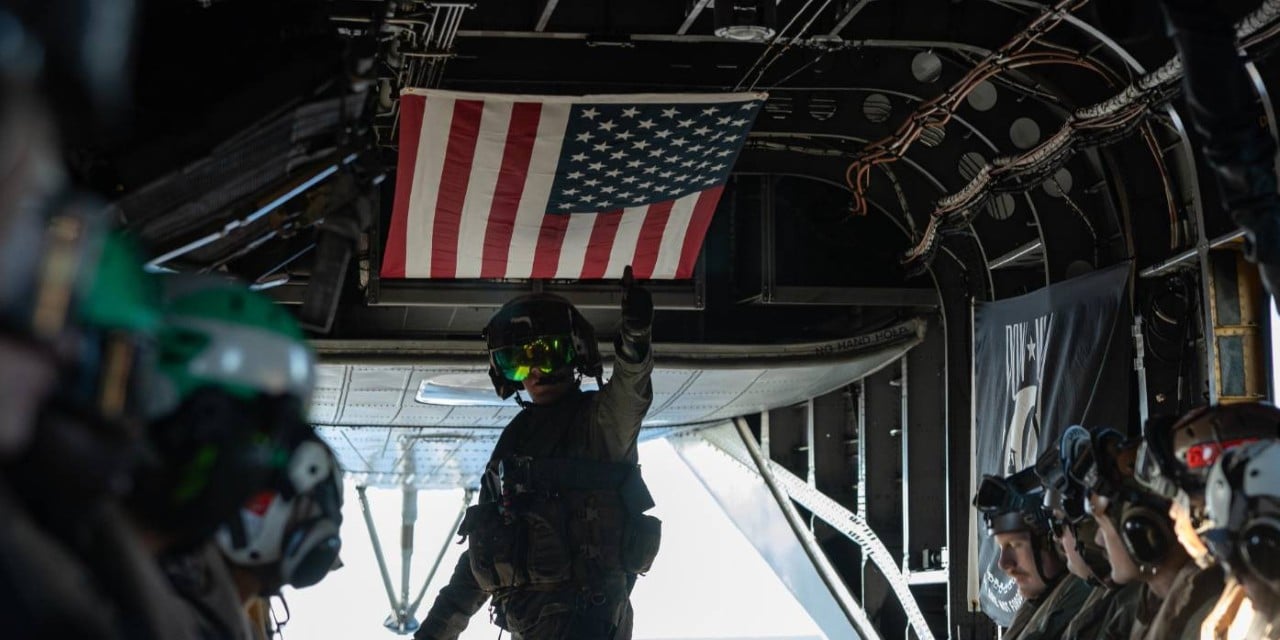
On June 21, 2025, the United States, under President Donald Trump’s command, conducted airstrikes on three Iranian nuclear facilities: Fordow, Natanz, and Esfahan. The operation, confirmed by Trump on his Truth Social platform, took place amid escalating tensions in the Middle East following clashes between Israel and Iran. US aircraft dropped a full payload of bombs, with Fordow as the primary target, and have since left Iranian airspace. The strikes aim to neutralize Iran’s nuclear program, seen as a threat by the US and its allies. Iran’s government has not yet issued an official statement on the attack. The offensive marks the US’s direct entry into the conflict, raising concerns about regional repercussions.
The decision to strike followed days of intense aerial combat between Israel and Iran, with Israel already announcing operations against Iranian nuclear targets. Iran retaliated with missiles targeting Israeli cities like Tel Aviv and Haifa. The US’s involvement, as previously hinted by Trump, reflects strategic support for Israel and an intent to curb Iran’s nuclear ambitions.
- Key targets hit: Fordow, Natanz, and Esfahan, critical centers of Iran’s nuclear program.
- Immediate context: Escalating clashes between Israel and Iran with mutual retaliations.
- Stated goal: Halt Iran’s nuclear development, viewed as a global risk.
The attack, described by Trump as a success, was executed with precision, according to US military sources. The operation underscores the US’s position as the leading military power capable of challenging Iran’s nuclear program at a time of growing regional instability.
Strategic targets under attack
The Fordow complex, located beneath a mountain, is known for its natural fortification, designed to withstand airstrikes. Built for uranium enrichment, Fordow is a cornerstone of Iran’s nuclear program and a priority target for both the US and Israel. Natanz, another site hit, houses advanced centrifuges for uranium enrichment, while Esfahan is a nuclear research hub.
The selection of these targets reflects an attempt to dismantle Iran’s nuclear infrastructure directly. Experts note that destroying Fordow, in particular, would be a significant blow due to its strategic role. “Fordow is nearly impregnable without cutting-edge military technology, which the US possesses,” a military analyst explains.
The operation also highlights the use of high-precision weaponry capable of hitting fortified targets. Initial reports suggest Iran’s air defenses failed to stop the US incursion, underscoring American technological superiority. However, the extent of the damage to the facilities remains unconfirmed.
Initial reactions and Iran’s silence
Iran’s government has so far remained silent on the attacks, fueling speculation. Analysts suggest the regime may be assessing the damage before responding publicly. This lack of immediate response contrasts with Trump’s swift announcement, which framed the operation as a military victory.
Meanwhile, the international community watches with concern. Leaders from countries like Russia and China, Iran’s allies, have not yet commented officially, but condemnation of the US action is expected. In Europe, officials urge restraint to prevent further escalation.
- Possible Iranian responses: Military retaliation, cyberattacks, or mobilization of regional allies.
- Global concerns: Risk of a broader conflict involving powers like Russia and China.
- Immediate impact: Heightened tensions in trade routes like the Strait of Hormuz.
Iran’s delayed response may indicate internal challenges, including the need to evaluate damage and coordinate a counteroffensive. However, the region’s conflict history suggests Iran will not remain passive for long.
Context of Middle East escalation
The US strikes come at a time of high volatility in the Middle East. The prior week saw intense fighting between Israel and Iran, with Israel targeting Iranian nuclear and military sites. Iran responded with ballistic missiles on Israeli cities, causing limited damage but raising tensions.
The US’s entry into the conflict reflects a strategic alliance with Israel, which has long warned of the dangers of Iran’s nuclear program. For the US, neutralizing this threat is a priority, especially amid reports that Iran was nearing the development of nuclear weapons.
The conflict also exposes Iran’s internal vulnerabilities. Domestic protests, combined with economic sanctions, have already weakened the regime. A successful strike on its nuclear facilities could intensify internal pressure, though it may also rally citizens against an external enemy.
US military capability in focus
The operation against Iran reinforces the US’s military superiority, particularly in complex scenarios. The ability to hit fortified targets like Fordow showcases the strength of its air force and precision weaponry.
- Technology used: Laser-guided bombs and long-range missiles.
- Air force: Stealth fighters, likely including the F-35, possibly involved.
- Coordination: Real-time intelligence support, including satellites and drones.
- Preliminary outcome: Aircraft returned without losses, per Trump.
The absence of US casualties, as reported, bolsters Trump’s narrative of a successful operation. However, independent confirmation of the damage to Iran’s facilities is still pending.
Regional and global implications
The US military action could shift the balance of power in the Middle East. A weakened Iranian nuclear program would benefit Israel and Arab allies like Saudi Arabia but may provoke reactions from Iran-backed groups like Hezbollah and Hamas.
Globally, the strikes raise the risk of confrontation with powers like Russia and China, which maintain ties with Iran. Additionally, control over the Strait of Hormuz, a key global oil route, could be disrupted if Iran retaliates.
Economic impacts are also a concern. Oil prices have already risen due to tensions, and prolonged escalation could affect global markets. Energy-dependent nations, particularly in Europe, are closely monitoring the situation.
Iran’s domestic scenario
Iran’s regime faces internal challenges that may worsen with the attacks. The population, already protesting economic hardship and political repression, may react divisively: some may rally behind the government for national sovereignty, while others may escalate demands for change.
Iran’s ability to rebuild its nuclear facilities is uncertain, given sanctions and technical complexities. If the nuclear program is significantly compromised, the regime may turn to alternatives, such as strengthening its regional influence through allies.
Next steps in the conflict
The international community awaits further developments, particularly Iran’s response. The likelihood of retaliations, such as attacks on US or Israeli bases, is high. The role of mediators, like the United Nations, will be critical to preventing a large-scale war.
Meanwhile, the US signals readiness for further actions if needed. Trump’s rhetoric, emphasizing American military strength, suggests a continued aggressive stance in the region.
- Possible scenarios: Direct confrontation with Iran, mediated talks, or escalation involving allies.
- Key players to watch: Russia, China, and Gulf nations like Saudi Arabia.
- Long-term impact: Realignment of Middle East alliances.
The strike on Iran’s nuclear facilities marks a turning point in the conflict, with consequences yet to unfold. The region remains on edge as the world watches the next moves of global and regional powers.
